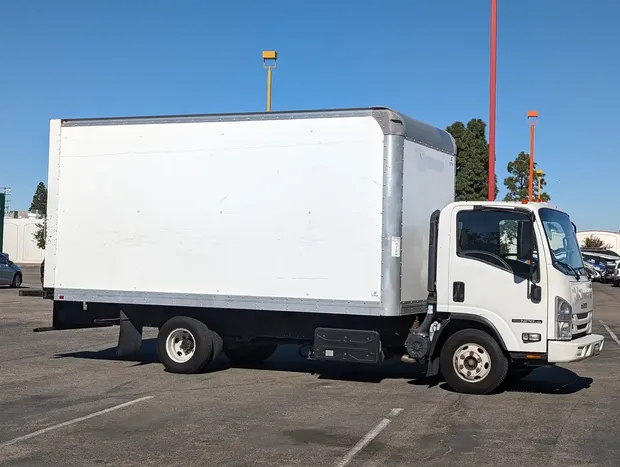
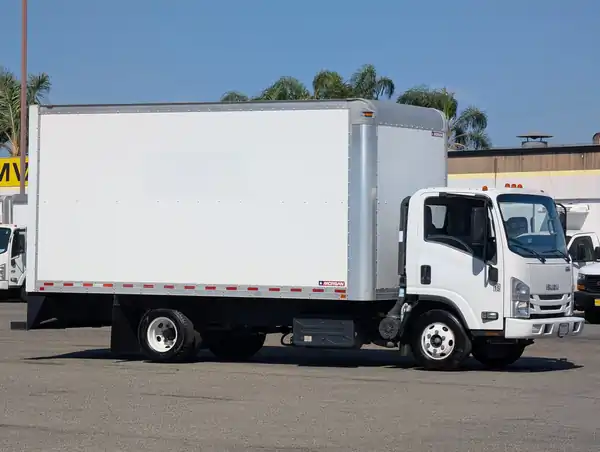
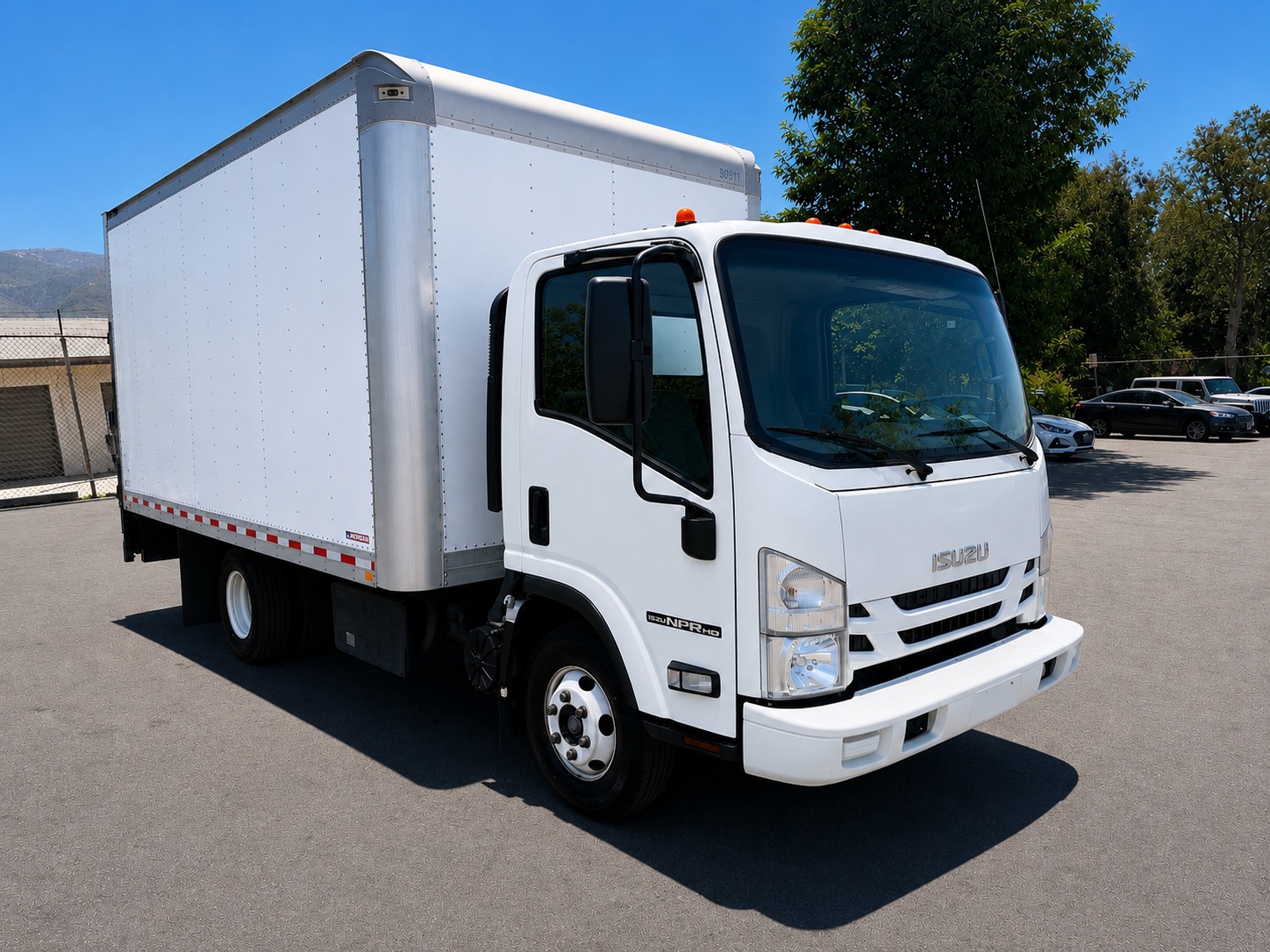
- Why is the Isuzu NPR-HD so common in Southern California?
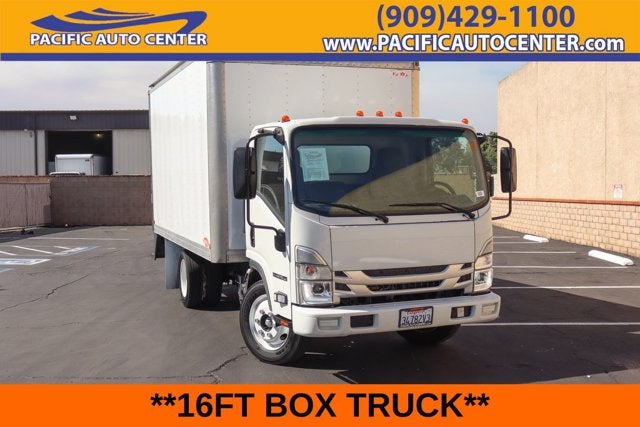
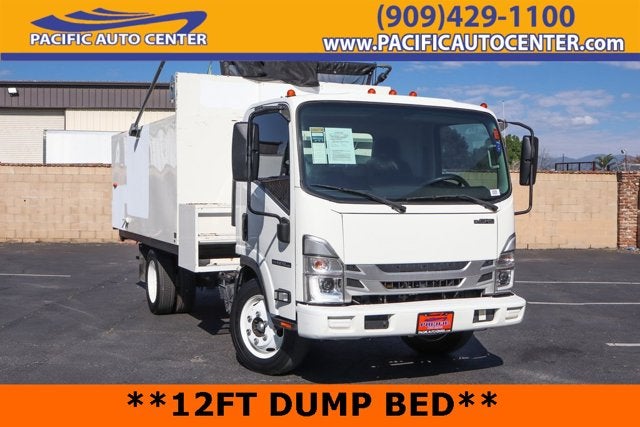
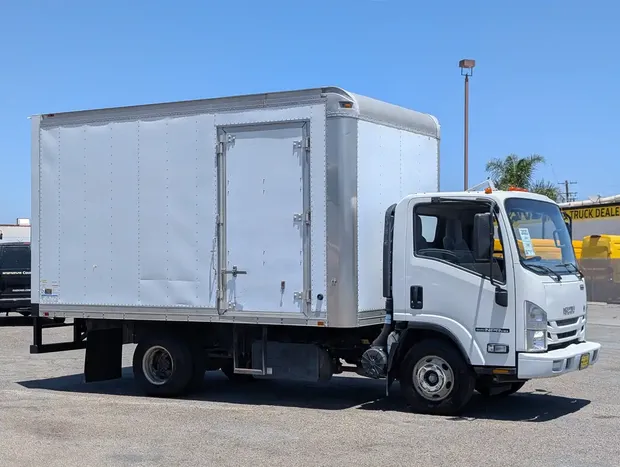
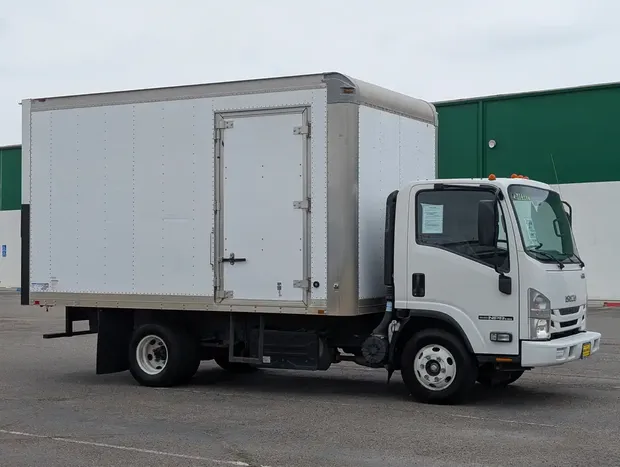
- Availability and fit. Isuzu dealers stock completed box, stake and dump trucks so businesses can buy and work the same week, the cab-over layout suits dense urban delivery, and at 14,500 lbs GVWR it stays under the CDL threshold. That combination is hard to beat for regional delivery and landscape work.
- Do I need a CDL to drive an NPR-HD?
- Generally no. At 14,500 lbs GVWR it sits well below the 26,001 lb threshold that typically triggers a commercial driver licence requirement, so a standard licence usually suffices. Towing changes the combined rating, so confirm your specific configuration with the California DMV.
- Can my regular shop service it?
- Ask before buying. Servicing requires tilting the whole cab forward, which needs vertical clearance many independent shops and some fleet workshops do not have. This is the single most common practical problem fleets discover after purchase and one phone call prevents it.
- Should I buy petrol or diesel?
- Petrol for short urban routes with frequent stops, where diesel after-treatment never gets hot enough to regenerate cleanly and causes downtime. Diesel for higher mileage and heavier sustained loads, where it returns better torque and economy. Having both offered is a genuine advantage over diesel-only competitors.
- How does the NPR-HD compare with a Chevrolet Low Cab Forward?
- They are closely related — the Low Cab Forward is built on Isuzu N-Series engineering and sold through Chevrolet. Mechanically very similar. Choose on the dealer and service relationship that suits your business, and cross-shop the pricing, since it can differ meaningfully between networks.
- What is the difference between the NPR-HD, NQR and NRR?
- Weight rating. The NPR-HD is 14,500 lbs GVWR, the NQR 17,950 and the NRR 19,500, with payload rising accordingly on a broadly similar footprint. All three stay under the 26,001 lb CDL threshold. If you find yourself running an NPR at its rating regularly, step up rather than compromising.
- How long does it take to get one with a body fitted?
- Frequently days, which is the NPR-HD's structural advantage. Isuzu dealers stock completed trucks with box, stake and dump bodies already fitted. A Ford or Chevrolet chassis cab typically means six to sixteen weeks waiting on an upfitter, so for urgent replacement the difference is decisive.
- How much can an NPR-HD actually carry?
- Payload runs roughly 6,500 to 9,000 lbs depending on configuration and body. The important caveat is that dense freight reaches the 14,500 lb GVWR long before the box looks full — size by weight rather than by box length, which is where buyers most often get caught out.
- Is an NPR-HD a good step up from a one-ton dump truck?
- Yes, and it is a very common progression for landscaping businesses. It carries substantially more than an F-350 or Silverado 3500HD dump while staying manoeuvrable on residential streets and below the CDL threshold, so it is a natural next vehicle rather than a category change.
- Can an NPR-HD tow a trailer?
- It can, though towing is not what the platform is optimised for and ratings are modest relative to a conventional medium-duty truck. More importantly, trailer weight counts against the combined rating, which can push the outfit towards thresholds that change licensing requirements. If regular heavy towing is part of the job, a conventional chassis cab such as an F-550 or Silverado 5500HD is the better tool, and confirm any combined rating with the California DMV before committing.
- What should I check on a used NPR-HD?
- The cab tilt mechanism and latches first — a seized one suggests poor servicing access. Then the body, which carries most of the value: roll-up door tracks and seals, liftgate operation and rating, and on a reefer the unit hours and service record. Corner and mirror damage is normal on urban trucks; cab or frame damage is not.
- How does an NPR-HD hold its value?
- Well, and better than most commercial vehicles, precisely because so many are in service across Southern California. A liquid used market means a straightforward sale when you replace it, and it also means a completed truck with a good body is easier to value honestly than a one-off custom build. That resale depth is worth factoring into total cost of ownership rather than judging on purchase price alone.
- What are the ongoing running costs beyond fuel?
- Tyres are the item people underestimate — six of them, and urban delivery duty wears them unevenly. Beyond that, brakes take a beating on stop-start routes, and any body brings its own maintenance: liftgate servicing, roll-up door tracks, or refrigeration unit servicing on a reefer. Budget body maintenance as a separate line, because it is frequently what takes the truck off the road rather than the drivetrain.
- Is a Crew Cab worth it?
- For landscape and utility crews, often yes — it seats up to seven, so a crew and their equipment travel in one vehicle rather than needing a separate pickup, which removes a whole vehicle from the fleet along with its insurance, fuel and maintenance. The cost is wheelbase and body length: the finished truck is meaningfully longer and turns in a wider circle, which can undo some of the manoeuvrability advantage that made you choose a cab-over in the first place. Confirm the finished dimensions against the sites you actually work before specifying it.