

SoCal Work Trucks

Commercial Vehicles for Restoration & Remediation

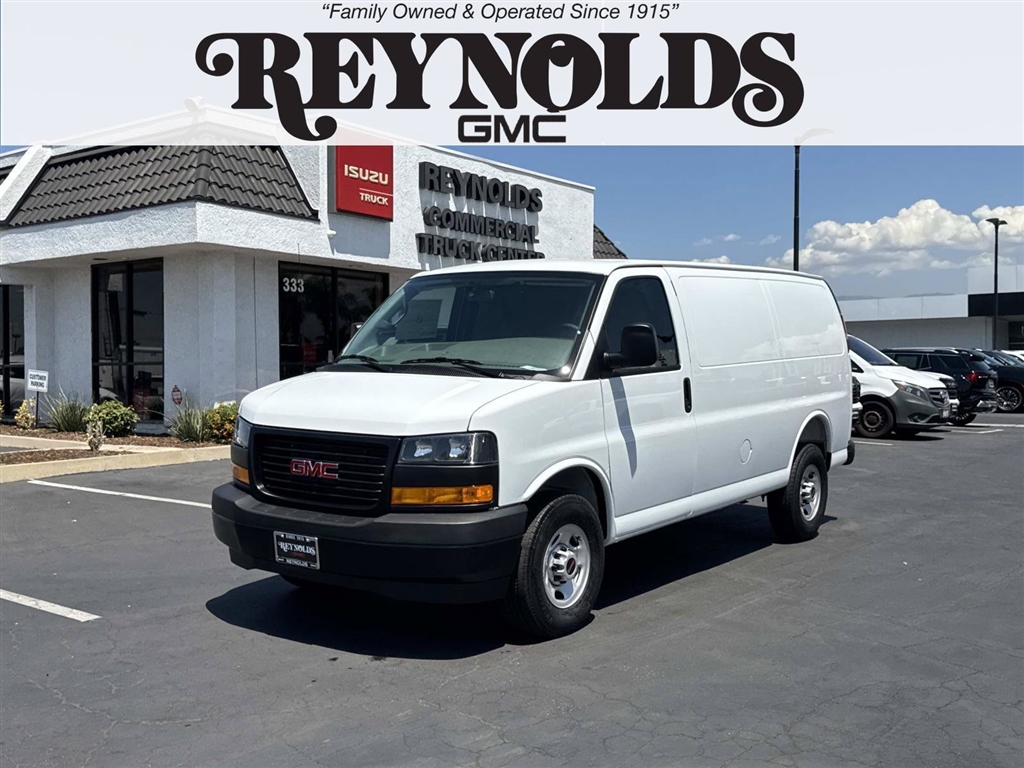
Configurations commonly used to transport drying equipment and containment materials.

What restoration & remediation businesses usually buy

The work involves transport drying equipment and containment materials, which most often points to box trucks, cargo vans, cutaway vans & trucks. The right choice depends on how much weight you carry, whether you tow, and how tools need to be reached on site.

This is general guidance, not engineering advice. Confirm payload, GVWR, towing capacity and upfit suitability against the specific vehicle and the manufacturer’s documentation.

Filters

What restoration & remediation work asks of a vehicle

Restoration is an emergency response business, and that shapes the vehicle more than the equipment does. Calls arrive at night, the property is already damaged, and every hour before drying equipment is running makes the eventual claim larger.

The equipment itself is bulky rather than heavy. Air movers and dehumidifiers take a great deal of space for modest weight, so restoration vehicles usually run out of volume long before they approach a payload limit — the opposite of most trades.

Quantity is what surprises people. A serious water loss needs many air movers rather than a few, and a vehicle sized for a typical job cannot service a large one without repeated trips that delay drying and extend the claim.

Contamination control is the requirement with no analogue elsewhere. Equipment returning from a sewage loss or a mould remediation cannot travel alongside clean gear heading to the next job, and that separation has to be designed into the vehicle rather than managed by intention.

Extraction work adds water weight, which is the one place the payload figure genuinely bites. A full extraction tank is heavy, and crews who never think about weight otherwise can find themselves over the rating on the way back from a large loss.

Configurations this trade chooses between

High-roof extended cargo van

The usual answer, chosen for volume rather than capacity. Standing height and a long load area let a technician organise and retrieve stacked equipment quickly at three in the morning, which is when the organisation actually gets tested.

Box truck for large-loss response

Where commercial losses are routine, a box truck carries enough equipment to stabilise a large property in one trip. A lift gate matters here because dehumidifiers are heavy enough to injure someone at the end of a long night.

Truck-mounted extraction unit

For businesses where water extraction is the core service, a mounted unit with its own power and tank outperforms portable equipment substantially. It commits the vehicle to that role permanently, which suits specialists rather than generalists.

Compact van for inspection and monitoring

Drying jobs need daily monitoring visits that carry only meters and hand tools. A small van does that round cheaply and parks easily, keeping the larger equipment vehicles free for response work.

Specification mistakes that are expensive to discover late

  • Sizing the vehicle around a typical job rather than a large one. Restoration income is concentrated in the bigger losses, and a vehicle that needs three trips to stabilise a property is extending the claim and the customer’s misery at once.
  • Planning no separation between clean and contaminated equipment. Gear returning from sewage or mould work cannot share space with equipment heading out, and retrofitting that separation is considerably harder than specifying it.
  • Forgetting the weight of water in extraction tanks. It is the one load in this trade heavy enough to push a vehicle over its rating, and it is always on the return leg when nobody is thinking about weight.
  • Overlooking overnight security. Restoration equipment is valuable, portable and often left loaded in a vehicle parked at a property or at home between callouts.
  • Choosing a low roof to save purchase cost. Retrieving stacked equipment while stooping, in the dark, at the end of a long shift, is exactly when the saving stops feeling worthwhile.

Questions restoration & remediation buyers ask

What size vehicle does restoration work need?
Size for a large loss rather than a typical one. The income in this trade concentrates in bigger jobs, and a vehicle needing several trips to stabilise a property delays drying and extends the claim.
Is payload or volume the real constraint?
Volume, almost always. Air movers and dehumidifiers are bulky for their weight, so restoration vehicles run out of space well before they approach the payload figure — the reverse of most trades.
How do I keep contaminated equipment separate?
Design it in. Sealed or physically separated storage for gear returning from sewage and mould work, planned when the vehicle is fitted out rather than managed afterwards by intention and memory.
Do I need a lift gate?
On a box truck used for large losses, it is worth having. Dehumidifiers are heavy enough that manual handling at the end of a night shift is where crews get hurt, and that cost lands on the business.
Is a truck-mounted extraction unit worth it?
For specialists where extraction is the core service, yes — it substantially outperforms portable equipment. It also commits that vehicle permanently to the role, so it suits focused businesses rather than general restoration.
Does emergency response change what I should buy?
It raises the value of organisation above almost everything else. Equipment that is fast to find and unload at two in the morning, by a tired technician, is worth more than marginal extra capacity.
What about vehicle security between callouts?
Treat it as a specification. Restoration vehicles often sit loaded overnight at a property or at a technician’s home, carrying equipment that is valuable, portable and straightforward to resell.

Reviewed by SoCal Work Trucks editorial team on 2026-09-17. General guidance, not engineering advice — confirm payload, GVWR, towing capacity and upfit suitability against the specific vehicle and the manufacturer’s documentation.