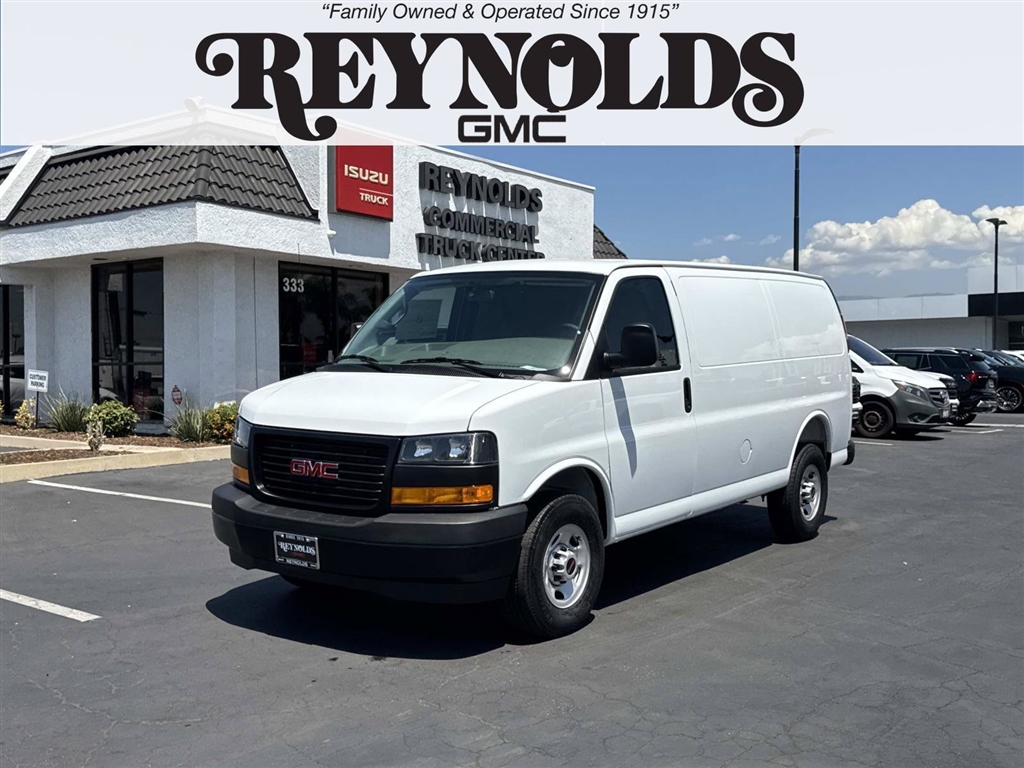
- Van or pickup for heating and cooling?
- A van for service work, where organised stock decides first-visit completion. A service body pickup for replacements, where open load space and lifting matter more. Businesses doing both at volume generally end up running both.
- How much onboard inventory is worth carrying?
- Enough to finish the common failures without a parts run — capacitors, contactors, motors and controls. During an inland summer peak, the stock level on the van directly sets how many calls a technician clears in a day.
- Do I need a lift gate?
- Only if full system replacements are routine. When they are, it removes a genuine injury risk and a meaningful time cost. For a service-led business it is capacity and expense you will rarely use.
- How should refrigerant be carried?
- In secure restraint with appropriate ventilation, specified when the vehicle is ordered rather than improvised afterwards. Recovery equipment needs its own space too, and both requirements are regulated rather than advisory.
- Does the inland heat affect vehicle choice?
- Yes, in two ways. The demand spike raises the value of carrying stock, and the temperature inside a parked load area is hard on electronics and controls, which makes insulated or shaded storage worth specifying.
- What payload should I plan for?
- More than the parts list suggests. Motors, compressors, cylinders and recovery gear are dense, and a heating and cooling van commonly reaches its weight limit while looking half empty. Weigh it loaded rather than estimating.
- Is a compact van ever enough?
- For scheduled maintenance contracts — filters, inspections, light repairs — it works well and parks more easily at commercial premises. It is the wrong vehicle the first time a call turns into an equipment replacement.