SoCal Work Trucks

Mercedes-Benz Sprinter near San Jacinto, California

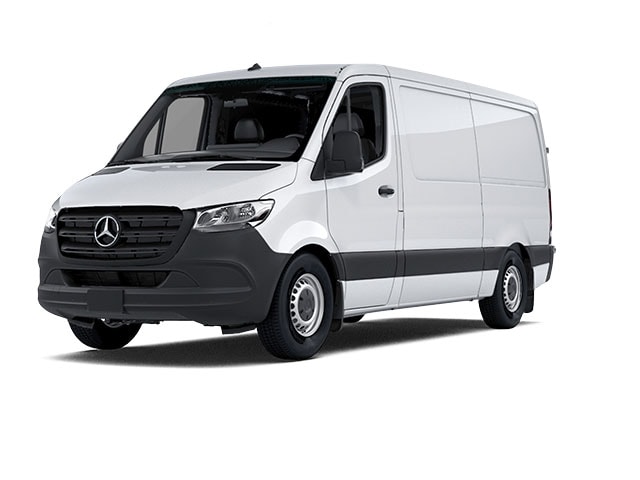
High-roof cargo van with the widest upfit ecosystem of any van sold in the US. Below: who sells it near San Jacinto, what is available now, and how to choose the right configuration.

Buying a Mercedes-Benz Sprinter near San Jacinto

No sellers in our network are currently listed close to San Jacinto. Commercial dealers routinely deliver across Southern California, so tell us what you need and we will look more widely.

No Mercedes-Benz Sprinter listed in Riverside County right now

Commercial inventory turns over quickly. Tell us your specification and a fleet specialist will search participating sellers across Southern California.

Buying a work vehicle in San Jacinto

San Jacinto and Hemet function as a single labour market — many businesses serve both without distinguishing between them — but the vehicle mix skews differently. San Jacinto is smaller, sits closer to working agricultural land, and rises towards the mountains, which produces more demand for capability and less for urban manoeuvrability.

The agricultural fringe is the defining difference from Hemet proper. Irrigation contractors, fencing businesses, equipment services and hay and feed haulage all operate here, and all of them need trucks that tow implements and reach ground that has never been paved. This is one of the clearer cases in Riverside County for specifying four-wheel drive deliberately rather than treating it as an unnecessary cost.

Elevation matters more than most buyers expect. The ground rises towards the San Jacinto Mountains, and Highway 74 climbs seriously towards Idyllwild. A truck towing a loaded trailer up that grade in August is working genuinely hard, and it is a real argument for specifying the towing and cooling packages properly rather than trimming them.

The residential trade base mirrors Hemet: an older housing stock with an established population, sustaining steady plumbing, HVAC, roofing and landscaping work. Those businesses buy much as their Hemet counterparts do, and many serve both cities from one base.

Commercial buying almost always happens elsewhere. San Jacinto has minimal local commercial dealer presence and effectively no specialist upfit capacity, so businesses source from Hemet, Riverside or further west. Commercial dealers routinely deliver across a 75 to 100 mile radius, so the practical advice is to search the whole Inland Empire rather than the nearest lot.

What San Jacinto businesses actually buy

Agricultural and irrigation services

Working farmland on the valley floor sustains irrigation installation and repair, equipment servicing and related contracting. These businesses need trucks that tow implements and reach unpaved ground reliably, which makes four-wheel drive and genuine towing capacity worth their cost here in a way they are not in suburban work.

Fencing and land clearing

Larger rural parcels and agricultural boundaries sustain fencing and clearing work. This is flatbed and trailer territory — posts, panels, wire and equipment are long and awkward rather than dense, so deck length and towing matter more than payload rating.

Landscaping and green waste

Larger lots than typical suburban development, with more hauling per job. Dump trucks and dump trailers dominate, and the constraint is payload rather than bed volume — a full bed of wet soil reaches a three-quarter-ton rating long before it looks full.

Plumbing and HVAC service

Older residential housing stock generates steady repair work shared with Hemet. Jobs are spread across both cities, so vehicles cover real mileage between calls, and service-body pickups compete directly with cargo vans depending on whether the business also tows.

Equipment hauling and heavy transport

Moving tractors, implements and construction equipment between agricultural and residential sites. Gooseneck towing capability is the deciding specification, which puts these businesses firmly into one-ton or medium-duty territory.

Roofing and exterior trades

Serving the shared Hemet and San Jacinto housing stock. Towing-heavy work — material to site, debris trailers away — and summer heat makes cooling capacity a genuine specification consideration rather than an afterthought.

Local conditions that change the decision

Summer heat matches the wider San Jacinto Valley pattern, regularly exceeding 100°F for extended stretches. It stresses cooling systems, batteries and air conditioning, and the effect compounds sharply for anything towing near its rating. Specify towing and cooling packages properly rather than trimming them to save cost.

Elevation rises towards the mountains and Highway 74 climbs seriously towards Idyllwild. A loaded truck or trailer works hard on that grade, particularly in summer, which argues for buying capability with margin rather than exactly to your maximum load.

Unpaved and agricultural access is genuinely common here, unlike most of suburban Riverside County. This is one of the few local markets where four-wheel drive earns its payload and fuel-economy cost rather than going unused.

Parking and manoeuvring constraints are minimal. Rural and semi-rural roads accommodate crew cabs, long beds and duallies without difficulty, so the urban-footprint compromises that shape choices in Riverside or Orange County simply do not apply.

San Jacinto buying questions

Is San Jacinto a different market from Hemet for work vehicles?
They share a labour market and many businesses serve both, but the vehicle mix skews differently. San Jacinto sits closer to working agricultural land and rising ground, so towing capability and unpaved access matter more, and four-wheel drive is worth considering rather than dismissing.
Do I need four-wheel drive in San Jacinto?
More often than elsewhere in Riverside County. Agricultural properties, unimproved rural parcels and land-clearing work all involve ground that has never been paved. For purely residential service work within the city it remains an unnecessary cost in payload and economy.
Where do San Jacinto businesses buy commercial vehicles?
Almost always elsewhere — Hemet, Riverside or further west. Local commercial dealer presence is minimal and specialist upfit capacity is effectively absent. Commercial dealers deliver across a 75 to 100 mile radius, so search the whole Inland Empire rather than the nearest lot.
Does the climb towards Idyllwild affect what I should buy?
If you tow, yes. Highway 74 is a serious grade and a loaded trailer works a truck hard on it, especially in summer heat. Specify the factory towing and cooling packages, and avoid buying a truck rated exactly to your maximum load — the margin is what keeps it reliable.
What should an agricultural services business buy here?
A three-quarter or one-ton truck with four-wheel drive and genuine gooseneck towing capability, often with a flatbed rather than a pickup bed. The work is defined by towing implements and reaching unpaved ground, so towing rating and traction matter more than cargo volume.
Is a dump truck or a dump trailer the better choice for landscaping here?
A dump trailer behind a three-quarter-ton is cheaper and more flexible for lighter work. A one-ton dump truck is faster to operate and better if you tip several loads a day. Larger local lots mean more material per job than typical suburban work, which pushes the calculation towards the dump truck sooner than you might expect.
How far will a dealer deliver to San Jacinto?
Commercial dealers across Southern California routinely deliver 75 to 100 miles, which covers the entire Inland Empire and much of Orange County. That means a San Jacinto business has the full regional market available and should not limit its search geographically.

Local guidance reviewed by the SoCal Work Trucks editorial team, last updated 2026-09-03.

Is the Mercedes-Benz Sprinter the right truck for your work?

High-roof cargo van with the widest upfit ecosystem of any van sold in the US.

Mobile businesses that live in the van all day, and anything needing a specialist upfit — refrigeration, mobile workshops, medical.

Typical specifications

Ranges across common configurations of this model. The figures for any individual vehicle depend on its cab, wheelbase, drivetrain and upfit.

GVWR
8,550–11,030 lbs
Payload
3,000–4,900 lbs
Towing
5,000–7,500 lbs
Cargo volume
319–533 cu ft
Seating
2–12 seats

These are model ranges, not a specific truck. Payload in particular varies by well over 1,000 lbs across configurations. Always confirm against the door-jamb sticker and the manufacturer documentation for the exact vehicle before you buy or load it.

Configurations to choose between

  • 1500, 2500 and 3500 series
  • Standard and High Roof
  • 144 and 170 in wheelbase

What buyers get wrong

Service costs and parts availability run higher than domestic vans, and diesel after-treatment needs a maintenance discipline some fleets underestimate.

Body types it is built as

Who buys the Mercedes-Benz Sprinter

What else to consider

Vehicles commonly cross-shopped against the Mercedes-Benz Sprinter.

Mercedes-Benz Sprinter: the full picture

The Sprinter created the tall European van format in the American market. When it arrived, the domestic alternative was a standard-roof body-on-frame van in which nobody could stand up. Ford and Ram eventually followed with the Transit and ProMaster, but the Sprinter kept a position at the top of the segment that it still largely holds.

What sustains that position is the upfitter ecosystem rather than the vehicle alone. Because the Sprinter has been the default base for specialist conversions for two decades, the companies building refrigerated bodies, mobile medical units, mobile workshops, camper conversions and accessibility vehicles all design for it first. If your requirement is unusual, there is a good chance someone has already solved it on a Sprinter and will not have solved it on anything else.

The build quality difference is real and shows up over time rather than on a test drive. Interior materials, seat design and noise insulation are all a step above the domestic competition, which matters most for businesses whose staff spend eight or ten hours a day in the vehicle. Long-route delivery, mobile services and anything covering serious Southern California mileage benefit measurably.

The diesel is the other differentiator. The four-cylinder turbo-diesel returns noticeably better economy than the petrol V6 engines in domestic vans, which over high annual mileage is a genuine operating saving. It comes with the usual modern diesel caveat: short-trip stop-start work never gets the after-treatment hot enough to regenerate cleanly, and fleets doing that duty cycle will have problems.

Then the costs. A Sprinter costs more to buy than an equivalent Transit and materially more to service. Parts prices are higher, and while Mercedes-Benz commercial dealers exist across Southern California, the network is thinner than Ford Pro — which means that when a van is off the road, it may be off the road longer. For a fleet where downtime is the dominant cost, that deserves honest weighting against the vehicle's merits.

The practical conclusion is that the Sprinter is not a general-purpose work van in the way a Transit is. It is the right answer for specialist conversions, for long-route work where driver comfort and economy compound, and for businesses whose vehicle is a customer-facing asset. For a plumbing fleet doing local service calls, a Transit will do the same job for less money.

How businesses actually use it

Refrigerated and temperature-controlled distribution

Food distribution · Floral · Pharmaceutical · Catering

The Sprinter is the default base for refrigerated van conversions in the US, so insulated bodies, reefer units and the electrical provisions to run them are all well-established on this platform. The 170-inch wheelbase high roof gives serious insulated volume while remaining a van rather than a truck. On any refrigerated vehicle the unit rating and running hours matter more than the chassis.

Typical configuration: 2500 or 3500 High Roof 170 in with an insulated body and reefer unit

Mobile medical, dental and diagnostic units

Mobile healthcare · Dental · Imaging · Veterinary

Specialist conversions with substantial electrical demand, clinical fit-out and requirements no domestic van ecosystem addresses as thoroughly. Converters building these vehicles overwhelmingly design for the Sprinter, so the engineering, the power systems and the certification paths already exist.

Typical configuration: 3500 High Roof 170 in with an upfitter conversion and auxiliary power

Long-route service and delivery

Regional delivery · Field service · Equipment service · Courier

Where a technician or driver covers 150 to 250 miles a day across Southern California, the combination of diesel economy, seat comfort and cabin noise insulation compounds into something that shows up in both fuel bills and driver retention. This is where the price premium is easiest to justify.

Typical configuration: 2500 High Roof 170 in with diesel and shelving for the trade

Mobile workshops and high-value trade fit-outs

Mobile repair · Instrument service · Locksmiths · Specialist trades

Businesses whose van is genuinely a workshop, with benches, power systems, precision equipment and organised storage. The upfit ecosystem, interior quality and standing height all favour the Sprinter, and the vehicle holds its condition better through a long fit-out life.

Typical configuration: 3500 High Roof with a bespoke interior, inverter and auxiliary battery

Executive shuttle and passenger transport

Airport shuttle · Corporate transport · Hotel · Tour operators

Passenger configurations where the vehicle is customer-facing and ride quality matters commercially. The Sprinter's cabin refinement and reputation genuinely affect what an operator can charge, which is a return no domestic van offers in the same way.

Typical configuration: Passenger configuration with a converter interior for comfort

Accessibility and mobility conversions

Paratransit · Medical transport · Community transport

Wheelchair-accessible conversions with lifts or ramps, where interior height, floor structure and the depth of converter experience matter enormously. The established conversion ecosystem is the practical reason operators keep choosing this platform.

Typical configuration: High Roof with a lift or ramp conversion and securement systems

How to choose the right configuration

Start by asking whether your requirement is genuinely specialist. If you need a refrigerated body, a medical conversion, a mobility fit-out or a bespoke mobile workshop, the Sprinter's converter ecosystem is the reason to buy it, and the price premium is buying access to engineering that simply does not exist as thoroughly on other platforms. If you need a van with shelving for a plumbing crew, be honest that a Transit will do that job for less.

Then weigh the mileage. The diesel's economy advantage over domestic petrol V6 vans is real but only compounds meaningfully at high annual mileage. A van doing 8,000 miles a year will not recover the price difference in fuel; one doing 30,000 across the region might. Model it with your actual numbers rather than accepting either the sales pitch or the objection.

Check the duty cycle against the diesel honestly. Short urban stop-start routes are the worst case for modern diesel after-treatment, and a Sprinter used that way will have regeneration problems and avoidable downtime. If your routes are short and stop-heavy, that is a genuine argument for a petrol domestic van rather than something to manage around.

Confirm your service arrangements before committing a fleet. Mercedes-Benz commercial dealers are present across Southern California but the network is thinner than Ford Pro, and independent shops willing to work on them are fewer. Establish which nearby dealer will prioritise commercial service, and what their turnaround genuinely looks like, before standardising.

Choose the wheelbase and roof by what goes inside. The 170-inch high roof is the configuration most conversions assume, and if a converter is involved they should specify it rather than you guessing. For a straightforward cargo fit-out, the 144-inch is easier to park and adequate for most trade loads.

Finally, look seriously at used. Because Sprinters are expensive new and hold their condition well, the used market is where much of the value sits — particularly ex-fleet vans with documented service. A three-year-old Sprinter with full history is often a better business decision than a new domestic van, provided you have somewhere to service it.

Our assessment

An editorial evaluation written by the SoCal Work Trucks editorial team, last reviewed 2026-09-03. It is our own assessment, not customer reviews or ratings.

The right van when the work is specialised or the mileage is high, and an expensive way to carry plumbing fittings when it is not. The converter ecosystem is the genuine moat — for refrigerated, medical, mobility and bespoke workshop applications there is often no real alternative. Against that, purchase price, parts cost and a thinner service network are real, and a fleet where downtime dominates should weigh them honestly rather than buying on reputation.

What it does well

  • The deepest specialist conversion ecosystem in the US

    Refrigerated, medical, mobility and bespoke workshop converters design for the Sprinter first. If your requirement is unusual, the engineering probably already exists here and nowhere else.

  • Genuinely better diesel economy

    The four-cylinder turbo-diesel returns noticeably more miles per gallon than domestic petrol V6 vans. Over high annual mileage across Southern California that is a real operating saving rather than a marketing claim.

  • Cabin quality that matters over long shifts

    Seat design, noise insulation and interior materials are a clear step above the domestic competition. For staff spending eight or ten hours in the vehicle it affects fatigue and retention, both of which are real costs.

  • Large usable volume in the long high-roof

    Up to 533 cu ft with genuine standing height, which is why it remains the base for conversions needing both space and the ability to work upright inside.

  • Holds condition and value through a long fit-out life

    Build quality means a Sprinter carrying an expensive conversion still presents well years in, which protects the value of the fit-out as much as the van.

Where it falls short

  • Higher purchase and parts costs

    More expensive to buy than an equivalent Transit and materially more to maintain. For a straightforward trade van doing ordinary work, that premium buys very little.

  • Thinner service network in Southern California

    Fewer commercial dealers than Ford Pro and fewer independents willing to work on them. When a van is off the road it can be off the road longer, which is the cost that actually hurts a small fleet.

  • Diesel after-treatment punishes short-trip work

    Stop-start local routes never get hot enough for clean regeneration. Fleets doing that duty cycle will have avoidable downtime, and should be looking at a petrol domestic van instead.

  • High roof creates real access constraints

    Older Southern California parking structures, drive-throughs and residential garages frequently will not take it. Measure your actual routes rather than assuming.

  • Overspecified for ordinary trade work

    For a plumbing or electrical fleet doing local service calls, the Sprinter's advantages go largely unused while its costs do not. Buying on reputation rather than requirement is the common mistake here.

Ownership and used-buying notes

Service history is the whole assessment on a used Sprinter, and more so than on a domestic van because the consequences of neglect are more expensive. Ask specifically about after-treatment work, injector and fuel system service, and whether the van did short-trip urban work — the last question tells you most about how hard the diesel has had it.

If a conversion is fitted, its condition and documentation may matter more than the van. On refrigerated units ask for reefer hours and service records; on medical or mobility conversions ask for certification and inspection paperwork. A conversion without documentation can be difficult to insure or legally operate, whatever the van is like.

Establish your service route before you buy, not after. The value case for a used Sprinter depends entirely on having somewhere sensible to maintain it — a cheap van you cannot get serviced promptly is not cheap. Identify the dealer or independent specialist first and confirm they will take the work.

Questions buyers ask

Is a Sprinter worth the extra cost over a Ford Transit?
It depends entirely on the job. For specialist conversions — refrigerated, medical, mobility, bespoke workshop — the converter ecosystem often makes it the only sensible answer. For high-mileage long-route work, the diesel economy and cabin comfort compound. For ordinary local trade service work, a Transit does the same job for less money.
How much can a Sprinter carry?
Published payload runs roughly 3,000 to 4,900 lbs depending on series and configuration, with cargo volume up to 533 cu ft. The governing figure is the door-jamb sticker on the specific van, and shelving, racking, partitions and any conversion come out of it before you load anything.
Are Sprinters expensive to maintain?
More than domestic vans, yes — parts cost more and fewer independent shops will work on them. The more important issue for a fleet is availability of service rather than its price: identify which nearby dealer or specialist will prioritise commercial work, and what turnaround they actually offer, before standardising a fleet on the platform.
Is the diesel a problem for short local routes?
Yes, and it is the most common Sprinter mistake. Modern diesel after-treatment needs sustained heat to regenerate cleanly, and stop-start urban work never provides it. If your routes are short and stop-heavy, that is a genuine reason to buy a petrol domestic van instead rather than something to manage around.
Why do refrigerated van conversions almost always use a Sprinter?
Two decades of converters designing for the platform. Insulated body engineering, refrigeration unit mounting and the electrical provisions to run them are all well-established here in a way they are not on other vans. That existing engineering is what you are paying the premium for.
Which wheelbase and roof should I choose?
If a converter is involved, let them specify it — most conversions assume the 170-inch high roof. For a straightforward cargo fit-out the 144-inch is easier to park and adequate for most trade loads. Measure parking structures and garages on your routes before committing to a high roof.
Is a used Sprinter a good buy?
Often the best way to buy one, since they are expensive new and hold their condition well. Ex-fleet vans with documented service are particularly good value. The condition of the purchase is that you have somewhere sensible to service it — a cheap Sprinter you cannot get maintained promptly is not actually cheap.
How does it compare with a Ram ProMaster?
Different tools. The ProMaster has a much lower load floor, which wins hand-loaded delivery work, and costs considerably less. The Sprinter has the conversion ecosystem, better economy on long routes and a far nicer cabin. Choose the ProMaster for lifting-heavy delivery, the Sprinter for specialist or high-mileage work.
Is the four-cylinder diesel powerful enough for a loaded van?
For almost all commercial use, yes. The turbo-diesel produces its torque low in the rev range, which is what actually matters when pulling away loaded, and it is noticeably more economical than the petrol V6 engines in domestic vans. Where it feels less strong is sustained high-speed climbing fully loaded — the grades out of the Inland Empire will reveal it — but that is a comfort observation rather than a capability limit for van work.
What should I check on a used Sprinter with a conversion?
The conversion documentation as much as the van. On refrigerated units, reefer hours and service records; on medical or mobility conversions, certification and inspection paperwork. An undocumented conversion can be hard to insure or legally operate regardless of the vehicle's condition, which is a bigger risk than mechanical wear.
Will a high-roof Sprinter fit in a parking structure?
Frequently not, particularly in older Southern California structures, and the same applies to drive-throughs and residential garages. Measure the clearances on your actual routes and at your depot before ordering, because it is a constraint you live with for the vehicle's whole life.
How does the Sprinter handle Inland Empire summer heat?
Well, and better than most in the cabin — insulation and climate control are a strength. The point worth attention is the diesel after-treatment in combination with heat and slow traffic: extended idling in congestion is the least favourable condition for regeneration, so a van that spends summer afternoons crawling on the 91 or the 60 needs occasional sustained running to stay healthy. Build that into route planning rather than discovering it through a fault light.
Is a Sprinter a good choice for an executive shuttle business?
It is the segment standard, and for a reason that is commercial rather than mechanical: cabin refinement and brand perception genuinely affect what an operator can charge. That return does not exist in the same way with domestic vans, which is why passenger operators keep specifying it.
Official sources and further reading

Manufacturer and regulatory sources for specifications and requirements. We do not link to other vehicle-selling websites.

Shop Mercedes-Benz Sprinter by model year

Nearby cities

Find a Mercedes-Benz Sprinter near San Jacinto

Two quick steps. A fleet specialist will follow up.

  1. 1. Your needs
  2. 2. Your details