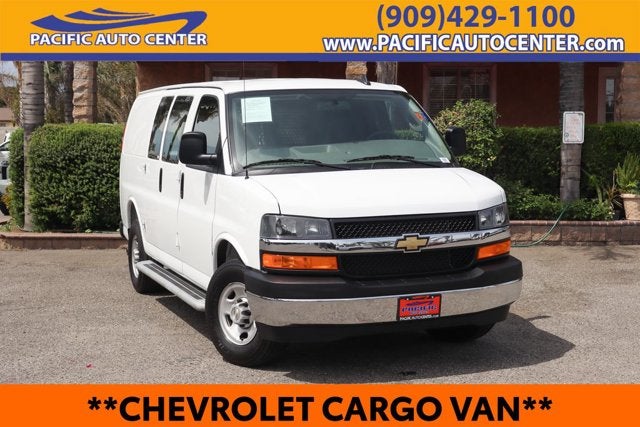
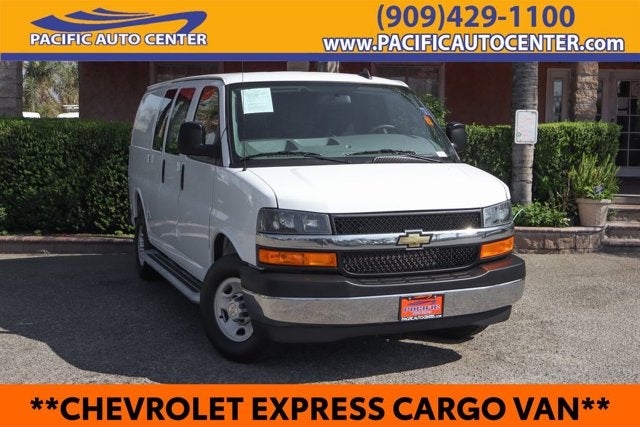
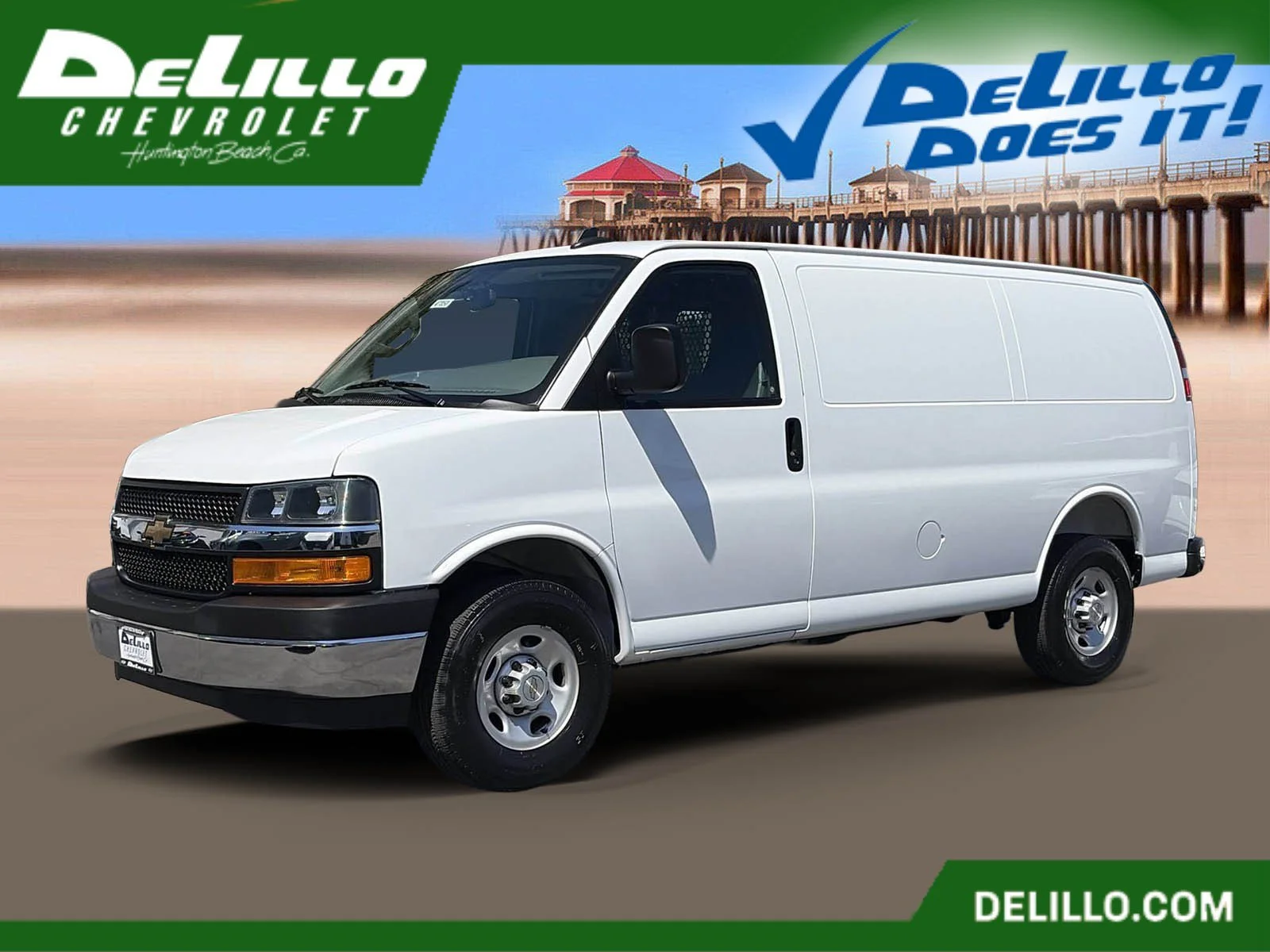
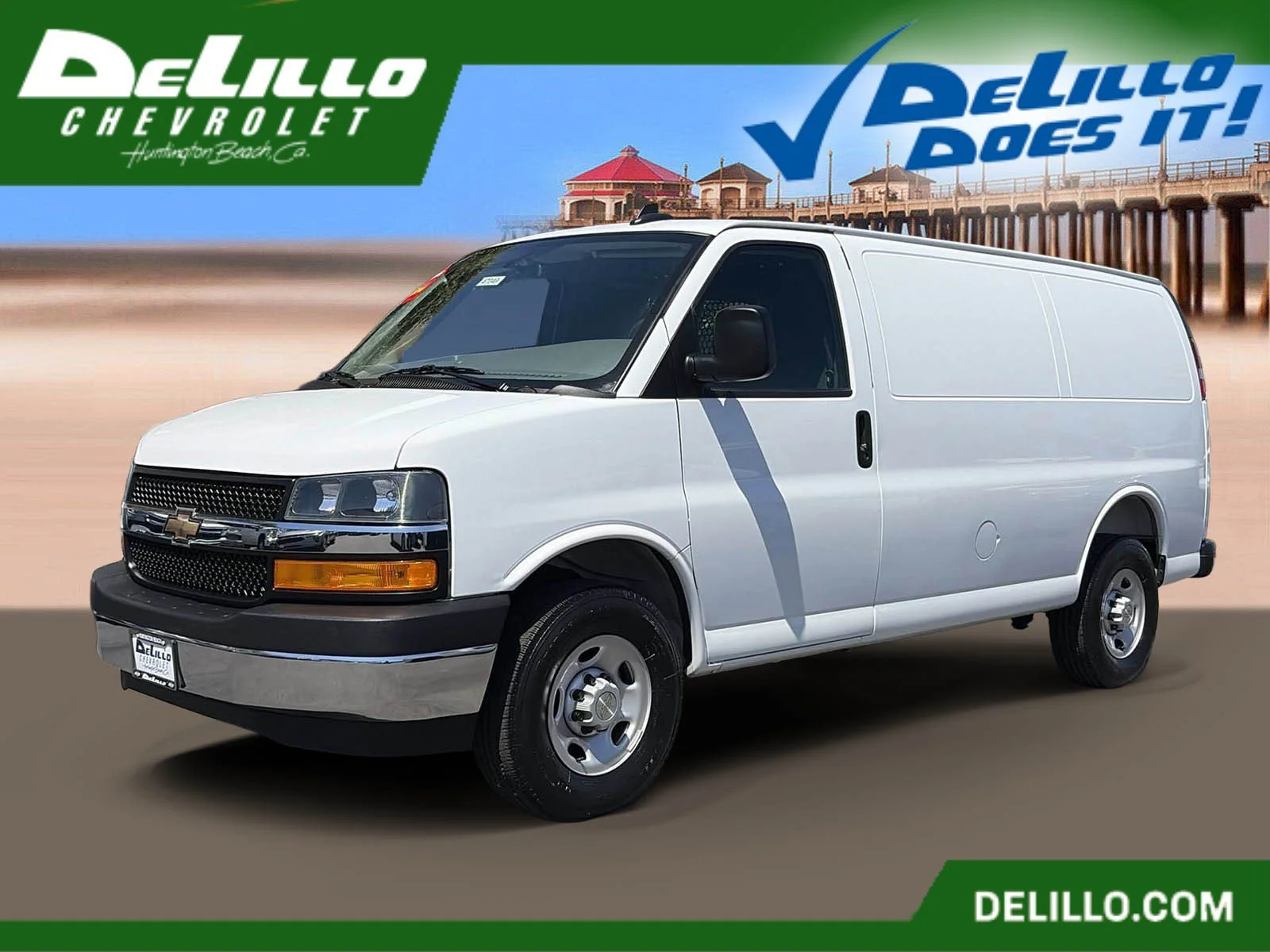
- Does the Chevrolet Express come with a high roof?
- No. There is no factory high-roof option, and an average adult cannot stand inside one. Aftermarket roof conversions exist but are expensive and rarely make economic sense. If crews need to work upright inside the van, look at a Transit, ProMaster or Sprinter.
- How much can a Chevrolet Express carry?
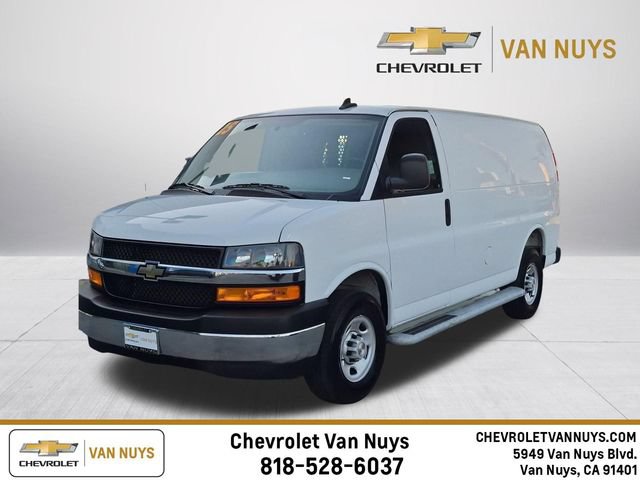
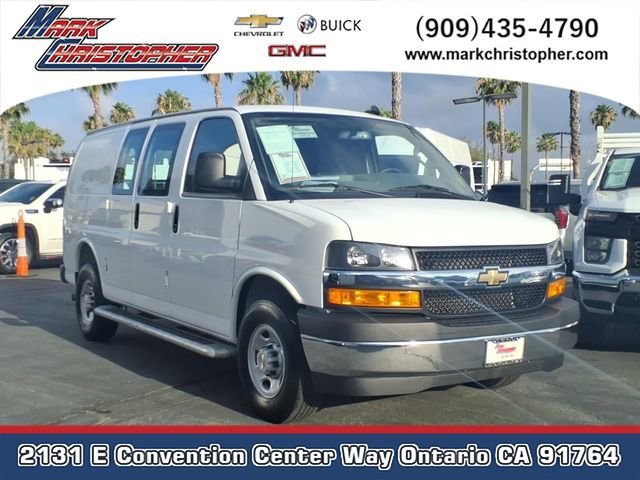
- Published payload runs roughly 3,000 to 4,200 lbs depending on series and configuration, with 240 to 314 cu ft of cargo volume. The figure for your van is on its door-jamb sticker, and shelving, racking and permanently fitted equipment all come out of it.
- Is the Express still a good buy given its age?
- For the right job, yes. Body-on-frame durability, low purchase price and universal serviceability are genuine advantages for depot-loaded delivery, parts transport, equipment carriage and Cutaway box applications. For trade service work where crews work inside the van, no — the lack of a high roof is decisive.
- What is a Cutaway and why would I want one?
- A Cutaway is the cab and frame supplied without a rear body, so an upfitter can fit a box, service body or specialty conversion. It gives box-truck capacity on a van-like cab that is easy to drive and service, which suits routes needing more volume than a van but less truck than a medium-duty chassis.
- How does the Express compare with a Ford Transit?
- The Transit offers high-roof standing height, better economy and more modern safety equipment. The Express offers body-on-frame durability, a lower price and simpler servicing. If crews work inside, buy the Transit. If the van is a container or a Cutaway base, the Express is often the better business decision.
- Can an Express carry fifteen passengers?
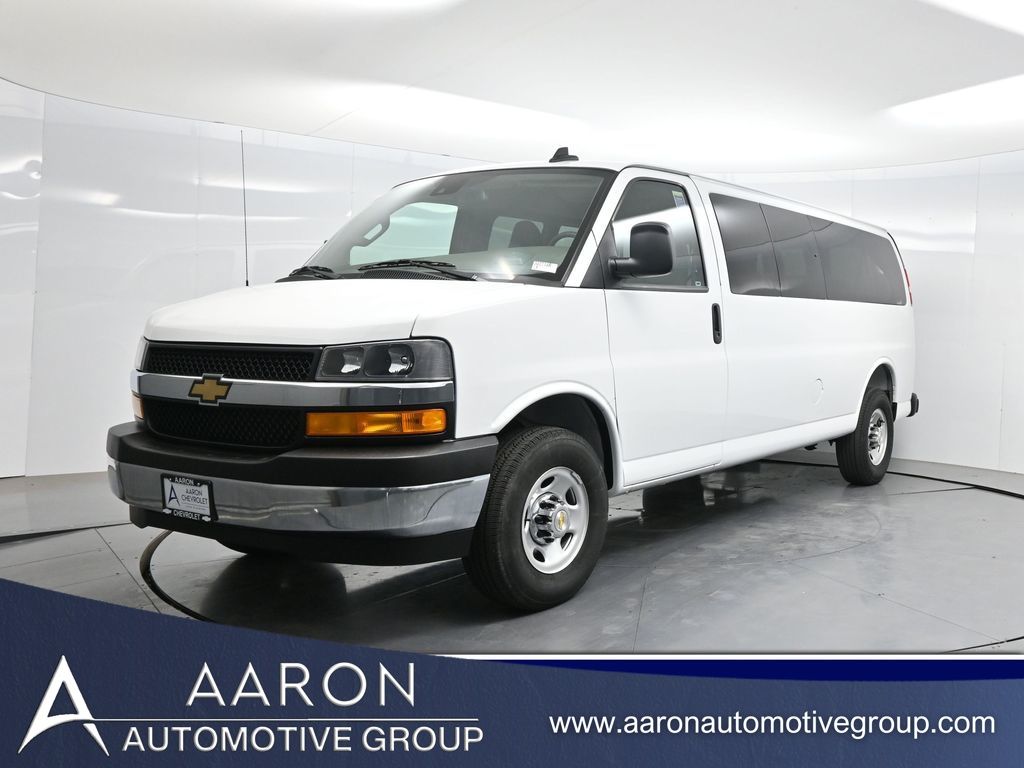
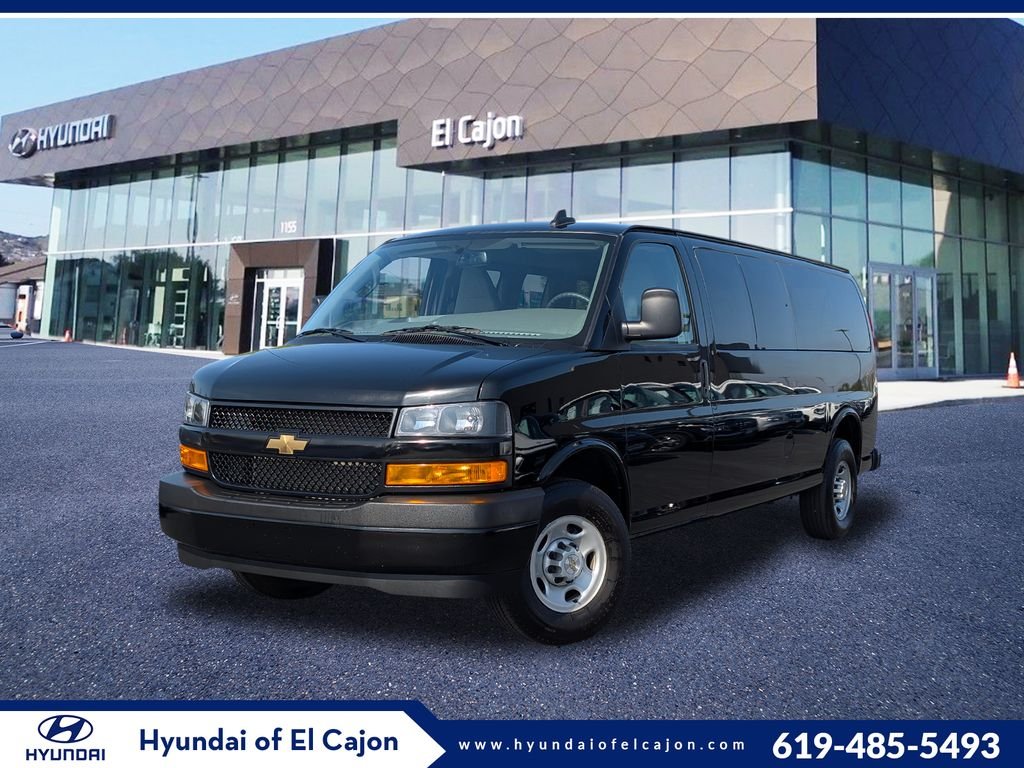
- The Passenger version seats up to fifteen. Be realistic about luggage, because with every row occupied the remaining cargo space is small, and a fully loaded fifteen-passenger van handles and stops quite differently from an empty one — worth building into driver training.
- Do I need a special licence to drive one?
- A standard Express is rated well below the 26,001 lb GVWR threshold that generally triggers a commercial driver’s licence requirement, so a normal Class C licence is typically sufficient. Passenger-carrying rules can differ depending on how the vehicle is used, so confirm with the California DMV if you are transporting people commercially.
- What should I check on a used Express?
- Service history, frame condition and corrosion around body-to-frame mounts. Check the load floor for previous racking holes and whether they were sealed, and operate every door repeatedly — sliding door mechanisms take heavy wear in delivery work. Ex-fleet vans with documentation usually beat undocumented private sales.
- Is the Express economical to run?
- Not by modern standards. The petrol V8s in an older, less aerodynamic body use noticeably more fuel than current turbo-diesel competitors. For low-mileage local work that rarely matters; for high-mileage delivery routes, model the fuel difference before committing a fleet.
- Can I add shelving and racking to an Express?
- Yes, and body-on-frame construction is genuinely advantageous here. Mounting racking through a ladder frame is more forgiving than through a unibody floor, and the structure tolerates the concentrated loads that fully stocked shelving creates. All the major shelving manufacturers support the Express, so installer choice and lead times are good.
- How does the Express compare with a Ram ProMaster?
- The ProMaster has a much lower load floor and a high-roof option, which makes it far better for hand-loaded delivery and any work done inside the van. The Express is more durable under heavy concentrated loads, simpler to service and cheaper to buy. Choose the ProMaster for lifting-heavy delivery work; choose the Express for equipment carriage, Cutaway applications and budget-constrained fleets.
- Is the Express a good base for a refrigerated van?
- It can be, particularly as a Cutaway with an insulated box, and Southern California upfitters build these routinely. On any refrigerated vehicle the refrigeration unit matters more than the chassis: ask for the unit make, its temperature rating and its running hours, which are a better guide to condition than the van’s mileage.
- How many Express vans should a growing fleet standardise on?
- Standardising matters more than the specific number. Running one configuration means one set of shelving, one parts inventory, one set of driver habits and one service relationship, which reduces cost per vehicle noticeably once you pass three or four vans. The Express suits this well because used examples are plentiful, so adding a matching vehicle later is usually straightforward rather than a special order.
- Is an Express suitable for a mobile workshop conversion?
- For equipment that is mounted rather than accessed while standing, yes — the ladder frame takes mounting loads well and upfitters build on it routinely. For a conversion where a technician works inside the vehicle, no: the standard roof means working stooped all day, and a high-roof Transit or Sprinter is the correct choice regardless of the price difference.
- What body types can be built on an Express Cutaway?
- Box bodies are the most common, typically 12 to 16 ft, often with a liftgate. Beyond that, service bodies, refrigerated boxes, shuttle conversions and mobility conversions are all routinely built on this chassis by Southern California upfitters.