SoCal Work Trucks

Hyundai Santa Cruz near Lake Elsinore, California

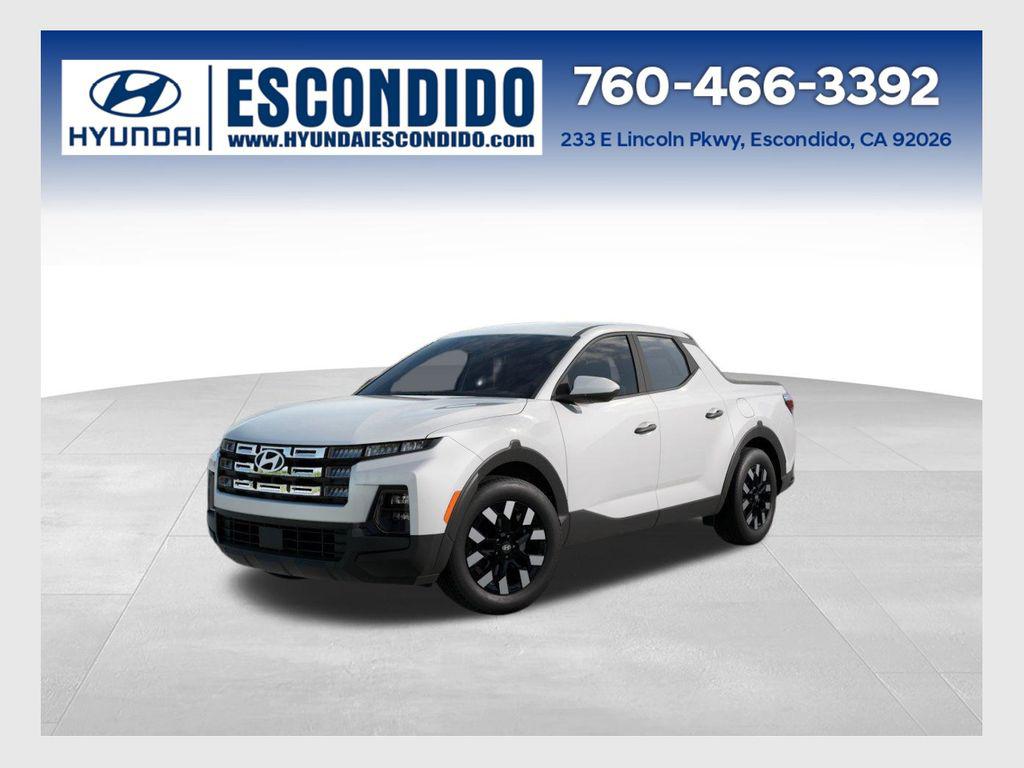
Unibody compact pickup based on the Tucson crossover, with an open bed and car-like handling. Below: who sells it near Lake Elsinore, what is available now, and how to choose the right configuration.

Buying a Hyundai Santa Cruz near Lake Elsinore

No sellers in our network are currently listed close to Lake Elsinore. Commercial dealers routinely deliver across Southern California, so tell us what you need and we will look more widely.

No Hyundai Santa Cruz listed in Riverside County right now

Commercial inventory turns over quickly. Tell us your specification and a fleet specialist will search participating sellers across Southern California.

Buying a work vehicle in Lake Elsinore

Lake Elsinore is defined by its geography in a way most Inland Empire cities are not. The lake and the surrounding hills constrain development into a corridor along the I-15, and they create trade demand that does not exist elsewhere in the county.

The most obvious difference is recreation. The lake supports marine services, boat repair and storage, and the surrounding hills draw off-road and motorsport activity. Those businesses need towing capability first — boats, trailers, off-road equipment — which pushes vehicle choice towards three-quarter and one-ton trucks with proper tow packages rather than the service vans that suit denser markets.

The terrain is the second difference. Lake Elsinore sits lower than the surrounding country and the ground rises steeply on both sides, particularly towards the Ortega Highway west towards Orange County. Any business towing regularly works those grades, and the Ortega in particular is a demanding road — narrow, winding and genuinely hard on a loaded truck.

Residential development continues along the corridor, sustaining the usual construction and trade demand: framing, concrete, roofing, landscaping, HVAC. These businesses buy much as their Menifee and Murrieta counterparts do, and many serve all three cities from one base.

The corridor shape has one useful consequence for buyers. Because Lake Elsinore is strung along the I-15 rather than clustered, a business here is genuinely equidistant from the Corona dealer cluster to the north and the Temecula and Murrieta market to the south — twenty minutes either way. Neither direction is meaningfully closer, so there is no default to fall back on and quoting both is simply the sensible move. The same linearity means even purely local work involves real driving, which is worth building into fuel and fatigue estimates rather than treating the city as a compact service area.

What Lake Elsinore businesses actually buy

Marine and recreation services

Boat repair, transport, storage and launch services around the lake. These businesses need genuine towing capability above all — a loaded boat trailer on the grades out of the basin is a real test — plus secure equipment carrying. Three-quarter and one-ton trucks with proper tow packages dominate.

Off-road and powersports services

The surrounding hills draw off-road and motorsport activity, sustaining repair, transport and support businesses. Enclosed trailers and flatbeds for vehicle transport are characteristic, and towing rating rather than payload is the binding specification.

Residential construction trades

Ongoing development along the I-15 corridor sustains framing, concrete and roofing work. Crew cab pickups moving people and material, and dump trucks or trailers for aggregate and debris, much as in neighbouring Menifee and Murrieta.

Landscaping and slope maintenance

Hillside properties mean slope landscaping, erosion control and retaining work that flat-terrain cities do not generate. This is genuinely heavy material work, and access to hillside sites can involve unpaved or steep approaches where four-wheel drive earns its cost.

HVAC and residential services

Established and new housing across the corridor generates steady service demand. Jobs are spread along a linear city, so vehicles cover real mileage between calls despite the modest population.

Towing and roadside recovery

The I-15 and the Ortega Highway both generate recovery work, and the Ortega in particular is demanding enough to sustain specialist operators. Wrecker and rollback bodies on medium-duty chassis, where body certification matters more than the base vehicle.

Local conditions that change the decision

Towing on grades is the defining local condition. The basin sits low and the ground rises steeply on both sides, so any business towing a boat, trailer or equipment works those climbs routinely. Specify towing and cooling packages properly and avoid buying a truck rated exactly to your maximum load — the margin is what keeps it reliable in summer.

The Ortega Highway west towards Orange County is genuinely demanding: narrow, winding and steep. It is a shorter route to the coast than going round, but it is hard on a loaded truck and hard on a driver. Many local operators avoid it with a trailer entirely, which is worth knowing when planning routes.

Summer heat follows the inland pattern and the basin holds it. Combined with towing on grades, that is a demanding duty cycle for cooling systems, and it is a legitimate argument for buying more capability than the numbers strictly require.

Hillside site access is genuinely common here, unlike the flat valley cities. Slope work, erosion control and hillside residential properties can involve steep or unpaved approaches where four-wheel drive is worth its payload and economy cost rather than going unused.

Lake Elsinore buying questions

What makes Lake Elsinore different from Menifee or Murrieta?
Towing and terrain. The lake sustains marine and recreation services, the surrounding hills draw off-road activity, and both mean businesses tow regularly on real grades. Hillside properties also generate slope and erosion work that flat-terrain cities do not. The residential trade base is otherwise similar.
Do I need four-wheel drive in Lake Elsinore?
More often than in the flat valley cities. Hillside residential properties, slope landscaping and erosion control work can involve steep or unpaved approaches where it genuinely earns its cost. For corridor-based residential service work along the I-15 it remains an unnecessary expense.
How demanding is the Ortega Highway for a work truck?
Genuinely demanding — narrow, winding and steep. It is the short route to Orange County but it is hard on a loaded truck and on the driver, and many local operators avoid it with a trailer entirely. If your routes include it, that is a real argument for buying towing capability with margin.
What should a marine services business buy here?
A three-quarter or one-ton truck with a proper factory tow package, specified with genuine margin. Pulling a loaded boat trailer up out of the basin in summer heat is a real test, and a truck rated exactly to the load will be working at its limit every single trip rather than occasionally.
Where do Lake Elsinore businesses buy commercial vehicles?
Mostly Corona, Riverside or Temecula. Local commercial dealer presence is limited and there is effectively no specialist upfit capacity. The I-15 makes that straightforward though — Corona is a short run north and Temecula a short run south, so the effective market is much wider than the local one.
Does the terrain affect how I should specify a dump truck?
Yes. Hillside and slope work means loading and moving material on grades, which is harder on brakes, transmission and cooling than flat-ground hauling. Diesel torque is more valuable here than in flat valley work, and specifying cooling properly matters more than it would in Menifee.
Is Lake Elsinore a sensible base for a business serving several cities?
Reasonably — the I-15 puts Corona, Temecula and Murrieta all within a short run. The constraint is that the city is linear and spread along the corridor, so even local work involves real mileage, which is worth factoring into fuel and fatigue calculations.

Local guidance reviewed by the SoCal Work Trucks editorial team, last updated 2026-09-03.

Is the Hyundai Santa Cruz the right truck for your work?

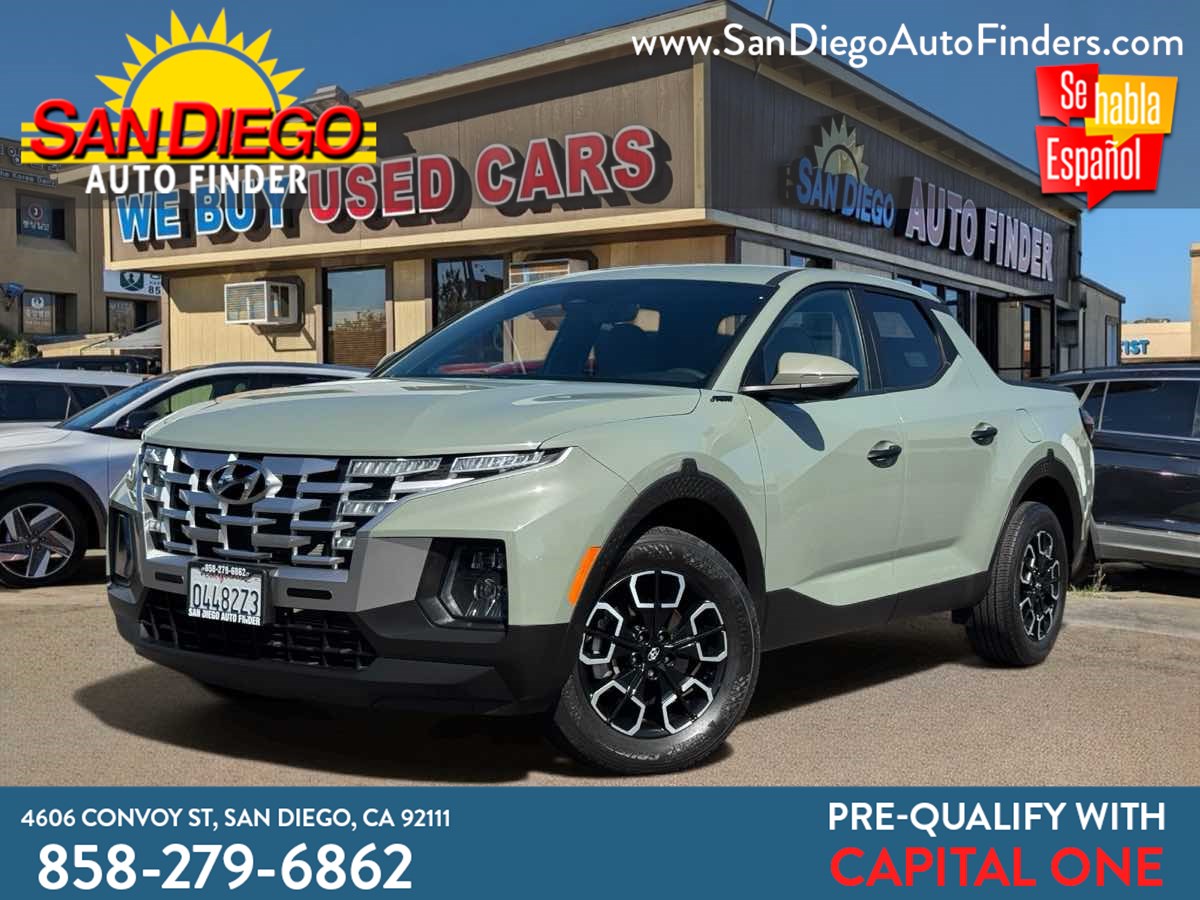
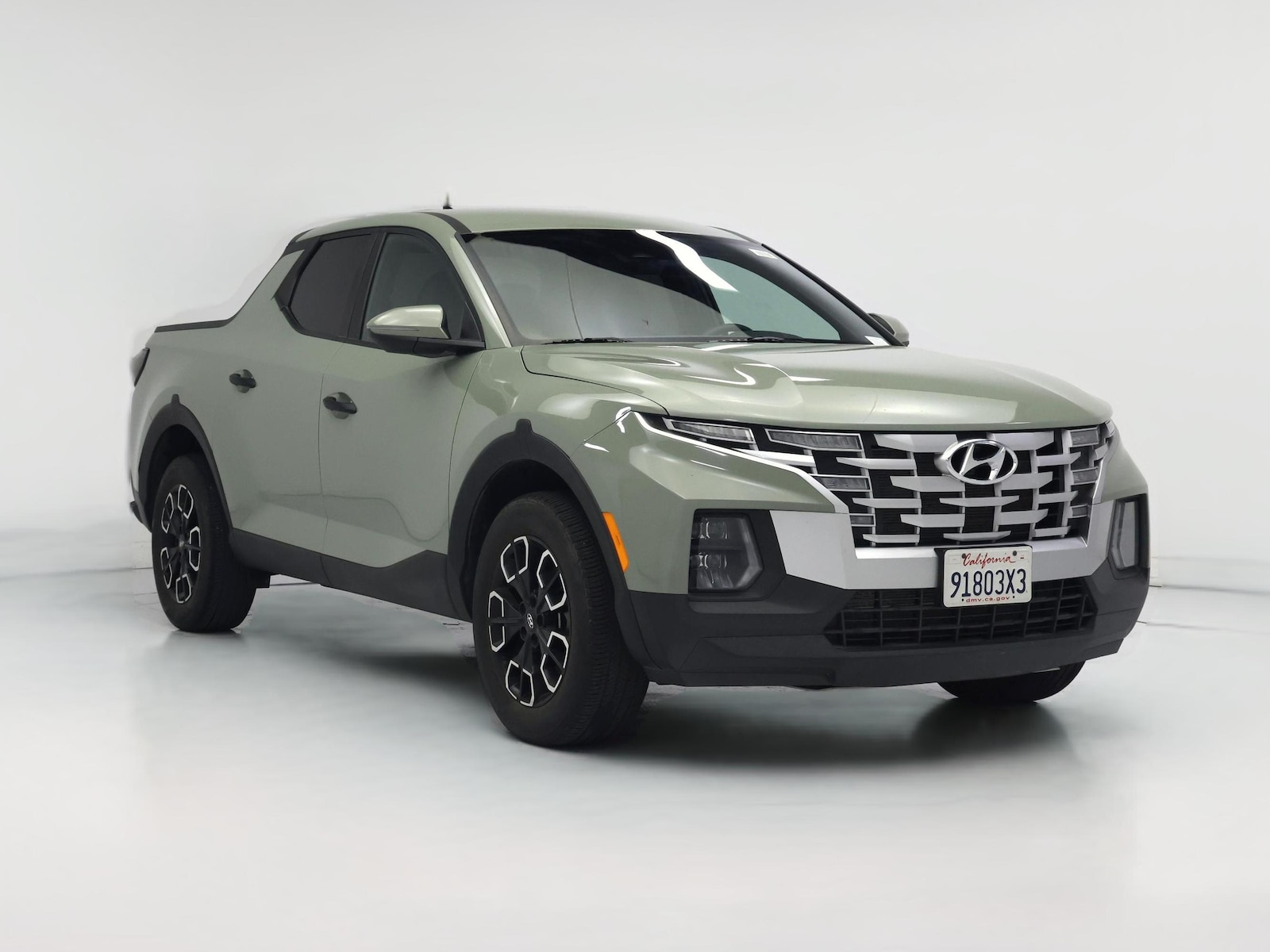
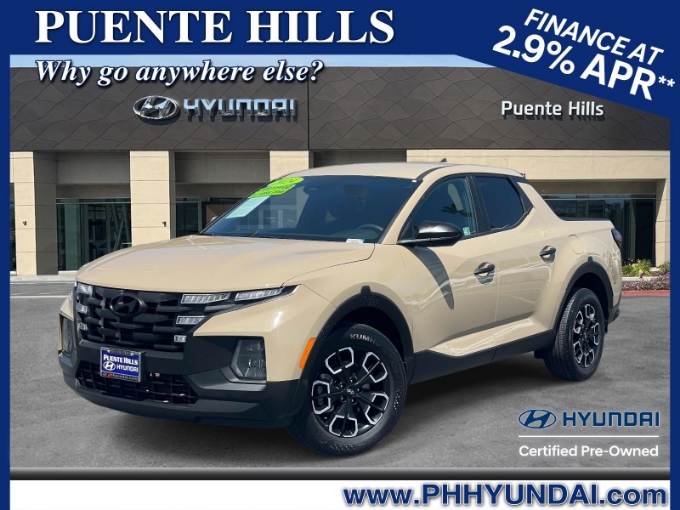
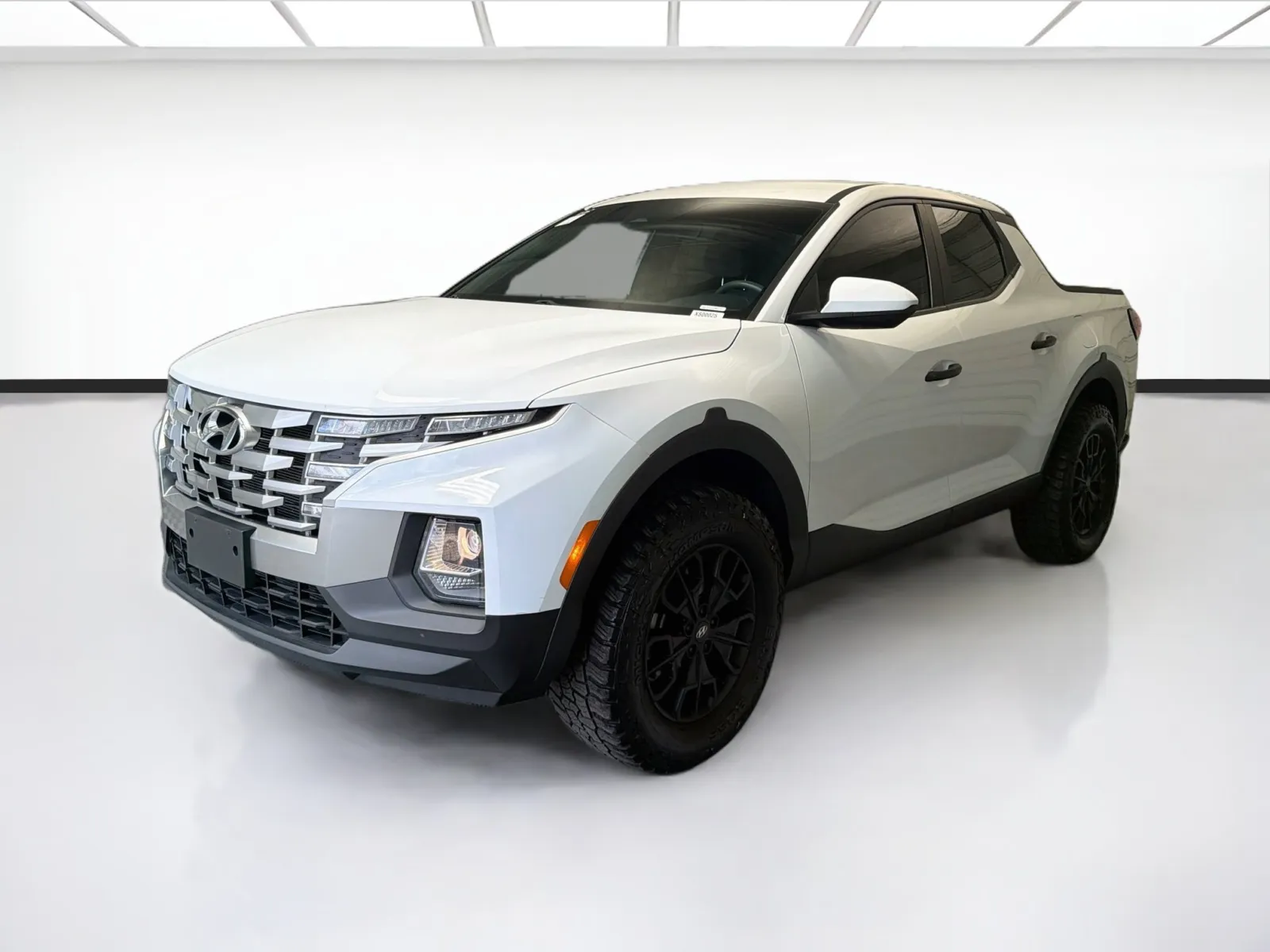
Unibody compact pickup based on the Tucson crossover, with an open bed and car-like handling.

Light-duty business use where a full-size truck is more vehicle than the job needs: sales and estimating visits, light service calls, and businesses whose staff need occasional bed use but drive mostly on road.

Typical specifications

Ranges across common configurations of this model. The figures for any individual vehicle depend on its cab, wheelbase, drivetrain and upfit.

Payload
1,411–1,753 lbs
Towing
3,500–5,000 lbs
Seating
5 seats

These are model ranges, not a specific truck. Payload in particular varies by well over 1,000 lbs across configurations. Always confirm against the door-jamb sticker and the manufacturer documentation for the exact vehicle before you buy or load it.

Configurations to choose between

  • Single crew-cab body style only
  • 2.5L naturally aspirated and 2.5L turbocharged
  • Front-wheel drive and HTRAC all-wheel drive
  • Lockable, weatherproof under-bed storage

What buyers get wrong

This is a unibody crossover with a bed, not a work truck. Payload tops out around 1,750 lbs and towing around 5,000 lbs, which is a fraction of a half-ton pickup, and the bed is too short for full sheets of plywood. Hyundai has also reportedly ended production after the 2026 model year, so factor long-term parts and resale into any multi-year fleet decision.

Body types it is built as

    Who buys the Hyundai Santa Cruz

    What else to consider

    Vehicles commonly cross-shopped against the Hyundai Santa Cruz.

    Hyundai Santa Cruz: the full picture

    Hyundai does not sell commercial work trucks, cargo vans or chassis cabs in the United States. If you have arrived here looking for a Hyundai equivalent of an F-250 or a Silverado HD, it does not exist. The Santa Cruz is the only Hyundai with an open bed, and it is a very different kind of vehicle.

    The Santa Cruz shares its unibody platform with the Tucson crossover, which is the single most important fact about it. A body-on-frame pickup has a separate ladder frame carrying the load; a unibody vehicle carries loads through the same structure that forms the passenger cabin. That makes the Santa Cruz ride and handle far better than a work truck, and makes it far less suited to heavy, concentrated or repeated commercial loads.

    The numbers put the difference in perspective. Santa Cruz payload runs roughly 1,411 to 1,753 lbs depending on trim and drivetrain, with towing from about 3,500 lbs on the naturally aspirated engine to 5,000 lbs on the turbocharged version. A three-quarter-ton pickup carries two to three times as much and tows three to four times as much. Even a half-ton pickup substantially exceeds it.

    The bed is about four feet long, which will not take a full sheet of plywood or drywall flat, and will not take standard lengths of pipe or conduit without overhang. For trades whose work is defined by carrying sheet goods or long material, that alone rules it out.

    None of which makes it a bad vehicle — it makes it a different one. There is a genuine business case for the Santa Cruz, and it is worth stating clearly because the alternative is a business either overloading a compact pickup or overpaying for a work truck it does not need. It also has a lockable, drainable under-bed storage compartment that is genuinely useful for securing tools, which most pickups at any size lack.

    It is worth being precise about where the line falls, because "light duty" is doing a lot of work in that sentence. A Santa Cruz will comfortably carry a technician, a tool bag, a stepladder and a few boxes of parts. It will carry a couple of bags of soil or a green-waste load from a small residential garden. It will not carry a pallet of pavers, a day’s worth of aggregate, or the parts inventory a plumbing or HVAC van holds. If your daily load is closer to the second list than the first, this is the wrong vehicle and no trim level fixes it.

    One further consideration: multiple outlets have reported that Hyundai is ending Santa Cruz production after the 2026 model year. For a personal vehicle that is largely irrelevant. For a business planning a five-year replacement cycle, discontinued models can mean weaker resale and thinner long-term parts availability, and that belongs in the decision.

    How businesses actually use it

    Estimating, sales and site visits

    Contracting sales · Estimating · Project management · Insurance assessment

    Staff who visit sites all day but rarely carry material are badly served by a full-size work truck: it costs more, uses more fuel and is harder to park. The Santa Cruz drives like a crossover, parks like one, and still has a bed for the occasional sample, ladder or piece of equipment. For this role it is genuinely the better business decision.

    Typical configuration: SE or SEL front-wheel drive with the naturally aspirated engine

    Light service calls with hand tools

    Pest control · Appliance service · Locksmiths · Alarm and low-voltage service

    Trades whose work is diagnostic and light-tool based, where the vehicle carries a service kit rather than a parts inventory. The lockable under-bed compartment secures tools out of sight, which matters for technicians parking in residential streets all day.

    Typical configuration: SEL with the under-bed storage and a tonneau cover

    Mobile professional services

    Mobile detailing · Photography · Inspection services · Property management

    Businesses needing occasional open-bed capacity plus a comfortable, economical vehicle for long driving days across the Inland Empire. Fuel and comfort matter more here than payload, and the Santa Cruz is far better suited than a half-ton pickup.

    Typical configuration: SEL or Limited with the turbocharged engine for freeway work

    Fleet vehicles for staff who mostly drive

    Multi-site management · Field supervision · Compliance and safety officers

    Businesses covering the spread of Southern California put serious mileage on staff vehicles. Where those staff need occasional bed capacity but spend most of the day driving between Hemet, Riverside, Ontario and beyond, a compact pickup costs substantially less in fuel and tyres than a full-size truck and is far less tiring to drive. The saving across several vehicles and several years is real money.

    Typical configuration: SEL front-wheel drive, specified for economy rather than capability

    Light landscaping and garden maintenance

    Garden maintenance · Pool service · Light landscaping

    Viable only at the lighter end. Mowers, blowers and hand tools are within capability. Hauling soil, aggregate, green waste or towing a loaded dump trailer is not — those loads exceed a compact unibody pickup quickly, and this is where buyers most often get into trouble.

    Typical configuration: AWD turbocharged with the tow package, kept well within its rating

    How to choose the right configuration

    The first decision is not which Santa Cruz to buy — it is whether a Santa Cruz is the right category at all. Work through it honestly. Do you carry full sheets of plywood or drywall? Standard lengths of pipe or conduit? More than about 1,500 lbs? Do you tow anything heavier than a small utility trailer? Do you need a service body, a rack or a dump bed? If the answer to any of those is yes, buy a full-size truck. A Silverado 2500HD or an F-250 will do the work; a Santa Cruz will be overloaded, and an overloaded vehicle is both a safety problem and a liability exposure.

    If the answers are all no, the Santa Cruz is likely the more sensible business purchase, and you will spend less buying and running it than a truck you do not need.

    On engines, the 2.5-litre naturally aspirated version is adequate for light use and cheaper to buy. The turbocharged version adds meaningful performance, raises towing from about 3,500 to 5,000 lbs, and is the better choice for anyone regularly loaded or driving Inland Empire grades. If you tow at all, buy the turbo.

    HTRAC all-wheel drive is worth it for unpaved site access and is required for the highest towing rating on some configurations. Like any drivetrain addition it costs a little payload and economy, so specify it for a reason rather than by default.

    Trim choice matters less than usual because the body style is fixed — every Santa Cruz is a crew cab with the same bed. Focus on the practical items: the lockable under-bed storage, a tonneau cover for security and weather, and the tow package if you will tow.

    Finally, factor the reported end of production into the decision. If this is one vehicle for a specific role, it is a minor consideration. If you are standardising a fleet on it for five or more years, weigh resale and long-term parts support, and consider whether a continuing-production compact pickup better suits a fleet commitment.

    Our assessment

    An editorial evaluation written by the SoCal Work Trucks editorial team, last reviewed 2026-09-03. It is our own assessment, not customer reviews or ratings.

    Judged as what it is — a comfortable, economical compact pickup for light business use — the Santa Cruz is a good vehicle and often the smarter purchase for staff who drive far more than they haul. Judged as a work truck it fails, and it is not close. The single most valuable thing a buyer can do is be honest about which of those two jobs they actually need. The reported end of production is a real consideration for fleet standardisation.

    What it does well

    • Drives and parks like a crossover

      For staff covering long distances across Southern California with occasional bed use, the ride, economy and manoeuvrability are far better suited than a full-size truck, and the daily cost difference is real.

    • Lockable, weatherproof under-bed storage

      A genuinely useful feature most pickups lack at any size. Tools stay secure and out of sight, which matters for technicians parking in residential streets all day.

    • Lower running costs than any work truck

      Fuel, tyres and servicing all cost less than a half-ton, let alone a three-quarter-ton. For a high-mileage, low-payload role that difference compounds over a fleet.

    • Comfortable for long driving days

      Crossover-derived interior and ride quality make it a better place to spend a full day than a commercial-trim work truck, which affects staff retention in driving-heavy roles.

    • Standard crew cab seating

      Every Santa Cruz seats five, so it doubles as a light crew vehicle without the payload penalty a full-size crew cab carries.

    Where it falls short

    • Payload and towing are a fraction of a work truck

      Roughly 1,750 lbs and 5,000 lbs at best, against 4,000 lbs and 22,000 lbs for a three-quarter-ton pickup. Anyone hauling material or towing equipment will exceed it.

    • The bed is too short for sheet goods

      About four feet long — it will not take plywood or drywall flat, or standard pipe and conduit lengths without overhang. For construction trades that is disqualifying.

    • Unibody construction limits hard commercial use

      Loads pass through the same structure as the passenger cabin. It tolerates repeated heavy or concentrated loading far less well than a body-on-frame truck.

    • No commercial upfit path

      There is no service body, no rack system of consequence and no dump option. If your work needs any upfit, this is the wrong vehicle entirely.

    • Reportedly discontinued after 2026

      Multiple outlets report production ending after the 2026 model year, which raises reasonable questions about resale and long-term parts support for a fleet commitment.

    Ownership and used-buying notes

    Mechanically the Santa Cruz shares most of its componentry with the Tucson, which is a high-volume crossover. That is good news for parts availability and for the number of shops able to service it, and it means maintenance costs behave like a car rather than a truck.

    On a used example, the thing to establish is how it was used. A Santa Cruz that spent its life carrying laptops and sample cases is a very different proposition from one that was loaded to the limit with soil twice a day. Look for sagging or uneven rear ride height, suspension and tyre wear, and any signs of towing beyond its rating at the hitch.

    Given the reported end of production, check resale trends before committing to a multi-unit purchase. Discontinued models can depreciate faster, which changes total cost of ownership even when the purchase price looks attractive.

    Questions buyers ask

    Does Hyundai make a work truck?
    Not in the United States. Hyundai sells no commercial work trucks, cargo vans or chassis cabs here. The Santa Cruz is its only vehicle with an open bed, and it is a unibody compact pickup based on the Tucson crossover rather than a work truck. If you need work truck capability, look at Ford, Chevrolet, Ram or Isuzu.
    How much can a Hyundai Santa Cruz carry?
    Published payload runs roughly 1,411 to 1,753 lbs depending on trim and drivetrain. For comparison, a three-quarter-ton pickup carries between 2,500 and 4,200 lbs. The Santa Cruz is genuinely capable for light loads and genuinely unsuitable for material hauling.
    How much can a Santa Cruz tow?
    About 3,500 lbs with the naturally aspirated engine and up to 5,000 lbs with the turbocharged version and the tow package. That covers a small utility or equipment trailer. It does not cover a skid steer, a mini excavator or a loaded dump trailer.
    Can I fit a service body or ladder rack to a Santa Cruz?
    No meaningful commercial upfit path exists. The bed is short, the unibody structure is not designed for body mounting, and upfitters do not build service bodies for it. If your work needs a service body, rack or dump bed, you need a full-size truck.
    Will a sheet of plywood fit in the bed?
    Not flat. The bed is roughly four feet long, so full 4x8 sheets of plywood or drywall will not lie flat, and standard pipe or conduit lengths will overhang substantially. For trades built around sheet goods or long material this is the deciding limitation.
    Is the Santa Cruz being discontinued?
    Multiple outlets have reported that Hyundai is ending Santa Cruz production after the 2026 model year. Confirm current status with Hyundai or your dealer before making a fleet decision, since a discontinued model can affect both resale value and long-term parts availability.
    Which businesses is the Santa Cruz actually right for?
    Businesses whose staff drive far more than they haul: estimating and sales visits, project management, inspection services, and light service trades such as pest control, appliance repair and alarm servicing. In those roles it is cheaper to buy and run than a work truck, and more comfortable for long days on the road.
    Should I buy a Santa Cruz or a Silverado 2500HD?
    They are not really competitors. If you carry material, tow equipment, need an upfit or regularly exceed 1,500 lbs, buy the Silverado — the Santa Cruz will be overloaded. If your vehicle mostly carries a person and a laptop with occasional light bed use, the Santa Cruz will cost substantially less to buy and run.
    Do I need all-wheel drive?
    HTRAC all-wheel drive helps on unpaved site access and is needed for the highest towing rating on some configurations. If your work is entirely on paved roads and you do not tow, front-wheel drive is lighter, cheaper and slightly more economical.
    How does the Santa Cruz compare with a Ford Maverick?
    They are direct competitors — both unibody compact pickups aimed at buyers who want occasional bed use without a full-size truck. The Maverick offers a hybrid powertrain with notably better economy for high-mileage driving, while the Santa Cruz has the lockable under-bed storage and a more car-like interior. For a business the deciding factors are usually fuel cost and, given the reported end of Santa Cruz production, long-term availability.
    What happens if I overload a Santa Cruz?
    Handling, braking and steering all degrade, and on a unibody vehicle repeated overloading stresses the structure that also forms the passenger cabin. Beyond the mechanical risk, operating a commercial vehicle above its rating is a liability exposure — in an incident, weight is one of the first things examined. If you are close to the rating regularly, the vehicle is wrong for the job.
    Does Tim Moran Hyundai in Hemet handle business purchases?
    Hyundai dealers can sell to businesses, though Hyundai has no dedicated commercial division equivalent to Ford Pro or Chevrolet Business Elite. For a light-duty vehicle like the Santa Cruz that rarely matters. For genuine work truck needs you will be better served by a Ford or Chevrolet commercial department, which is set up for fleet quoting, upfit coordination and priority service.
    Is a Santa Cruz a sensible fleet vehicle?
    For a light-duty role, it can be — running costs are low and it is comfortable for high-mileage staff. The caution for fleets specifically is the reported end of production, which affects resale and long-term parts support across a five-year replacement cycle. Weigh that against a compact pickup still in production.
    Official sources and further reading

    Manufacturer and regulatory sources for specifications and requirements. We do not link to other vehicle-selling websites.

    Shop Hyundai Santa Cruz by model year

    Nearby cities

    Find a Hyundai Santa Cruz near Lake Elsinore

    Two quick steps. A fleet specialist will follow up.

    1. 1. Your needs
    2. 2. Your details