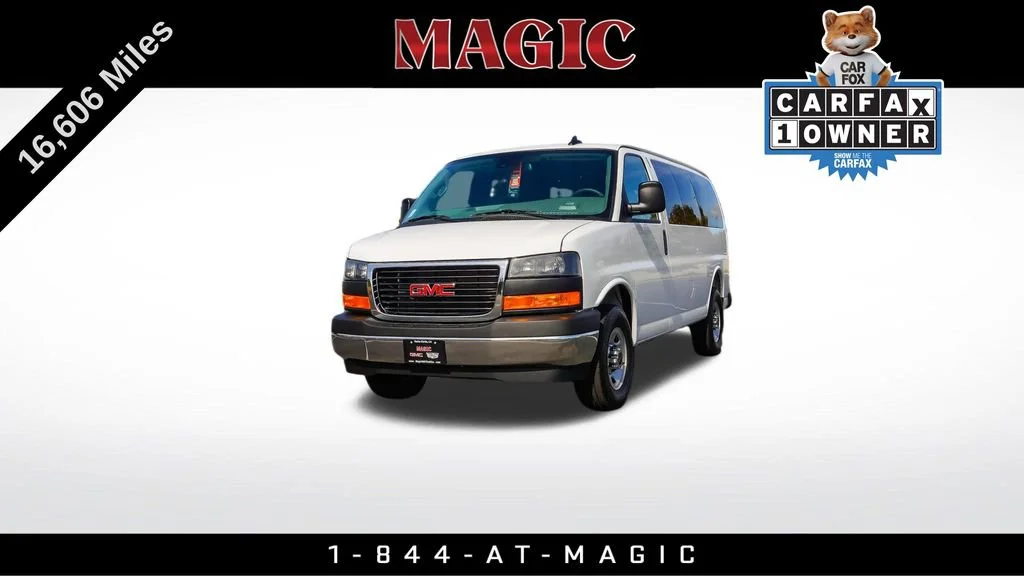
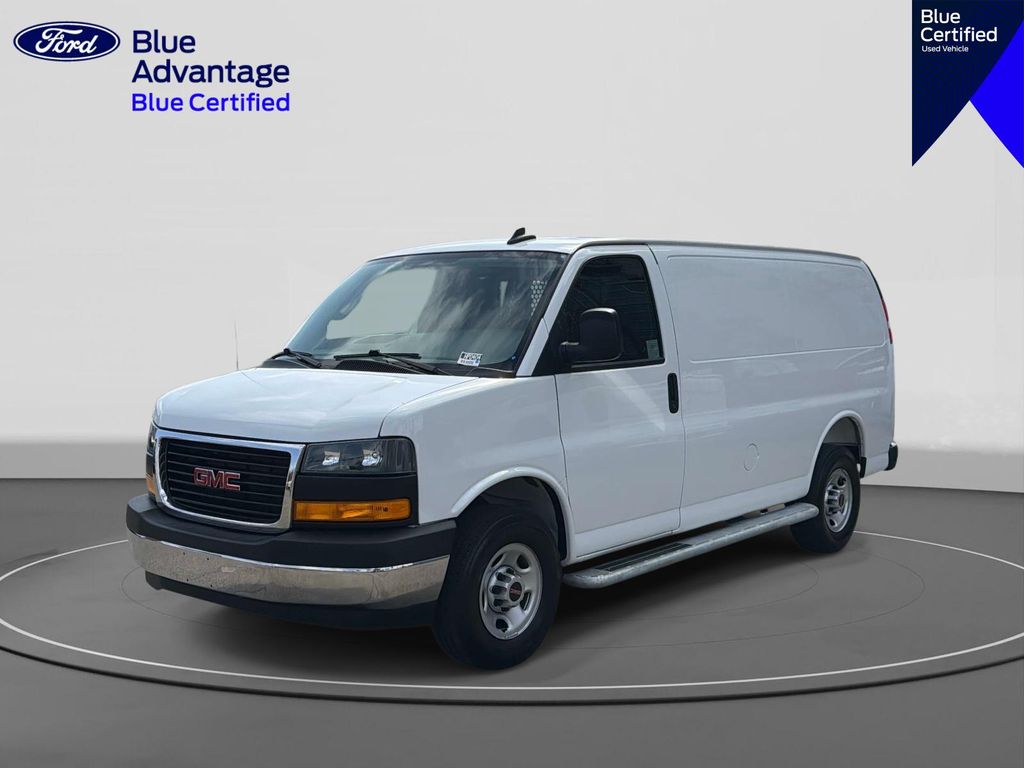
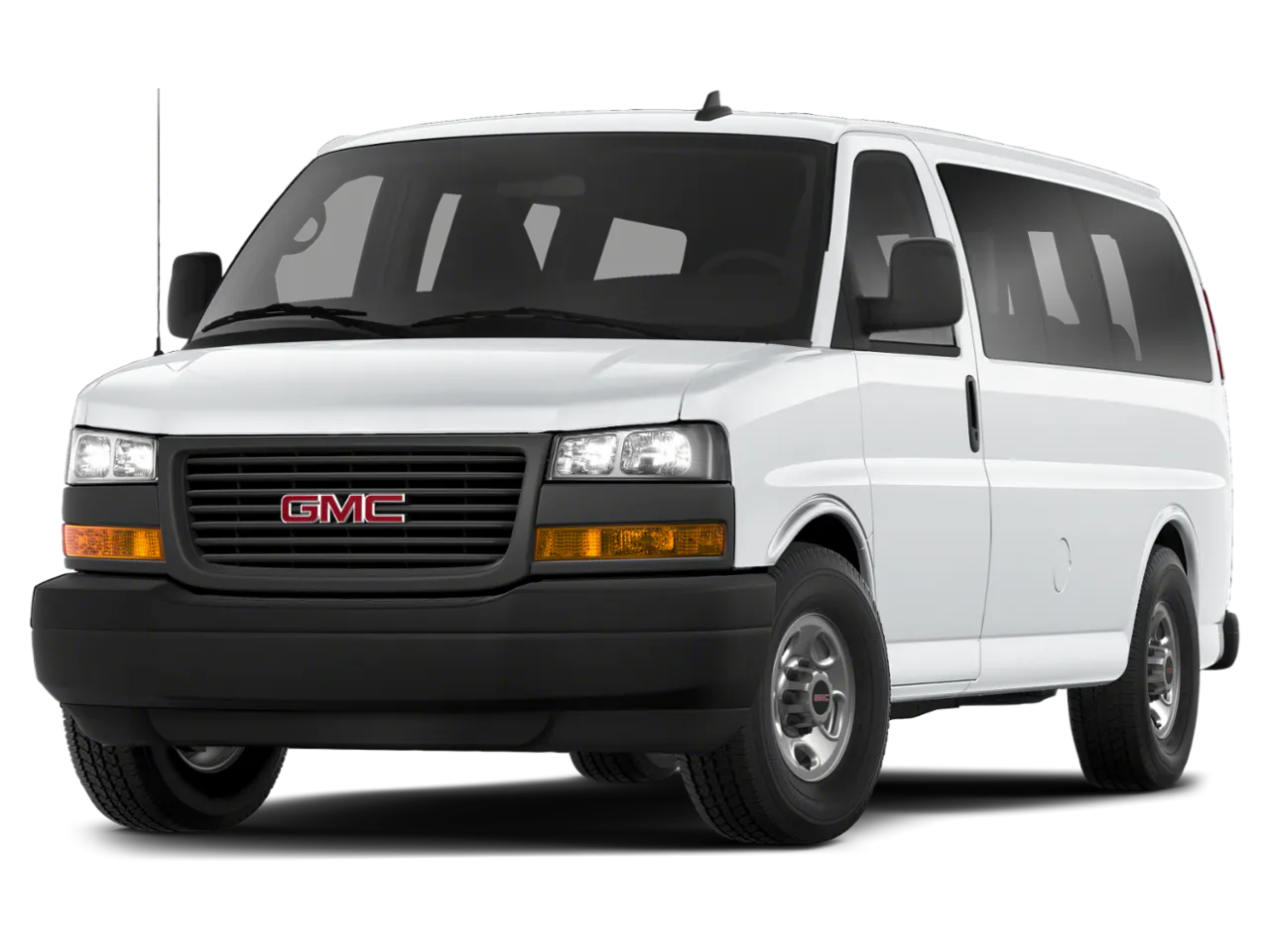
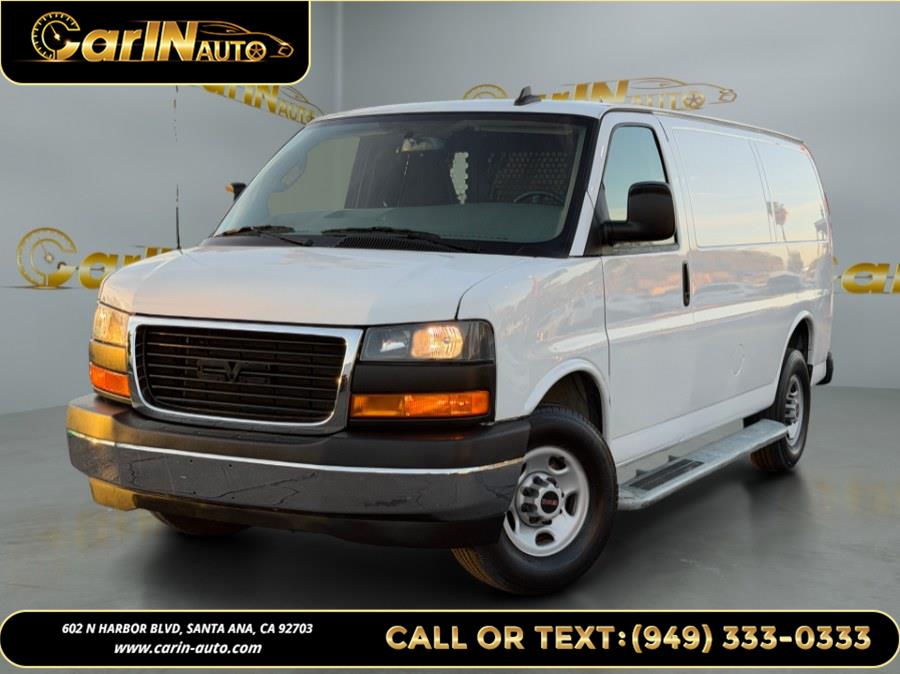
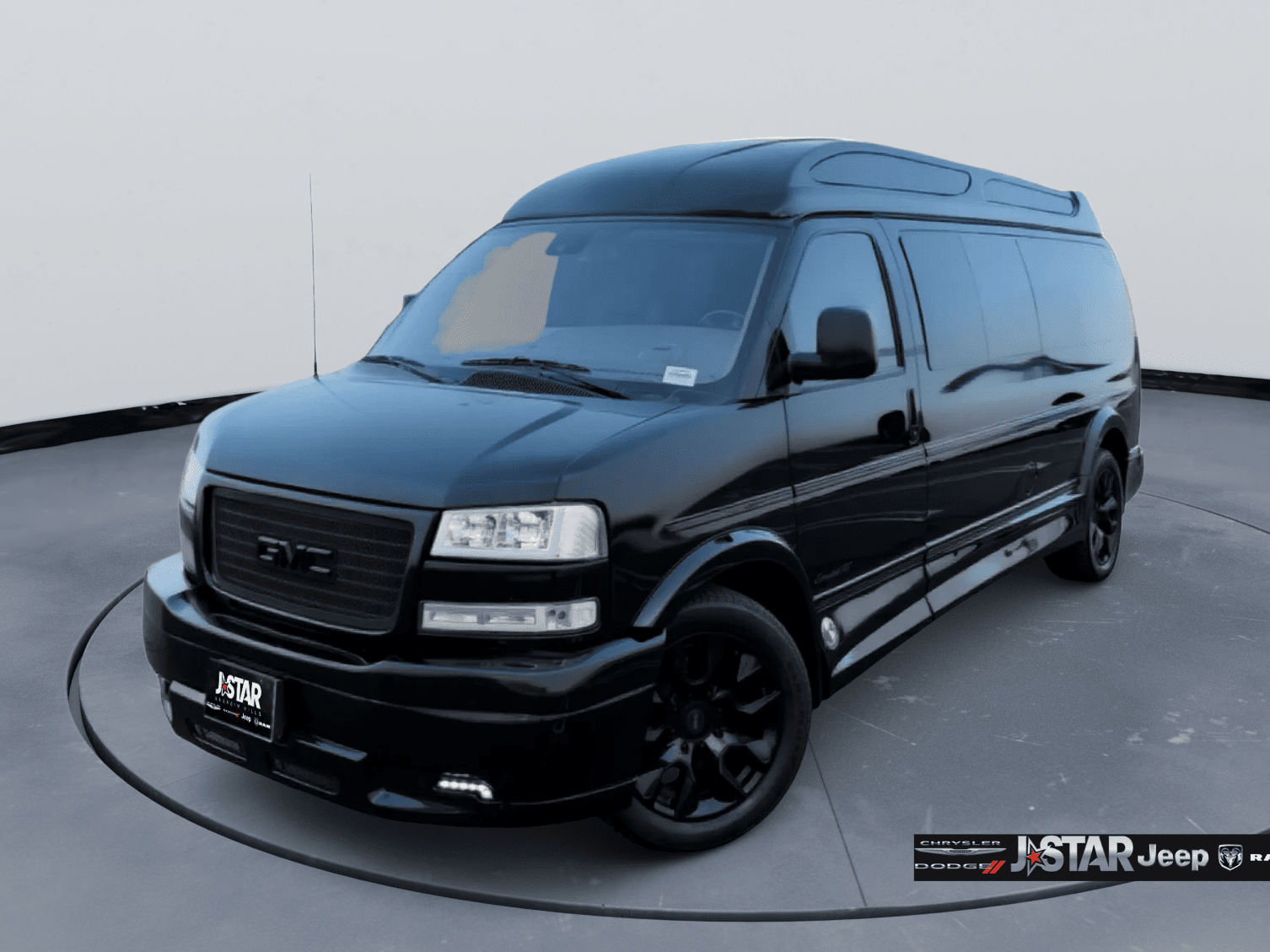
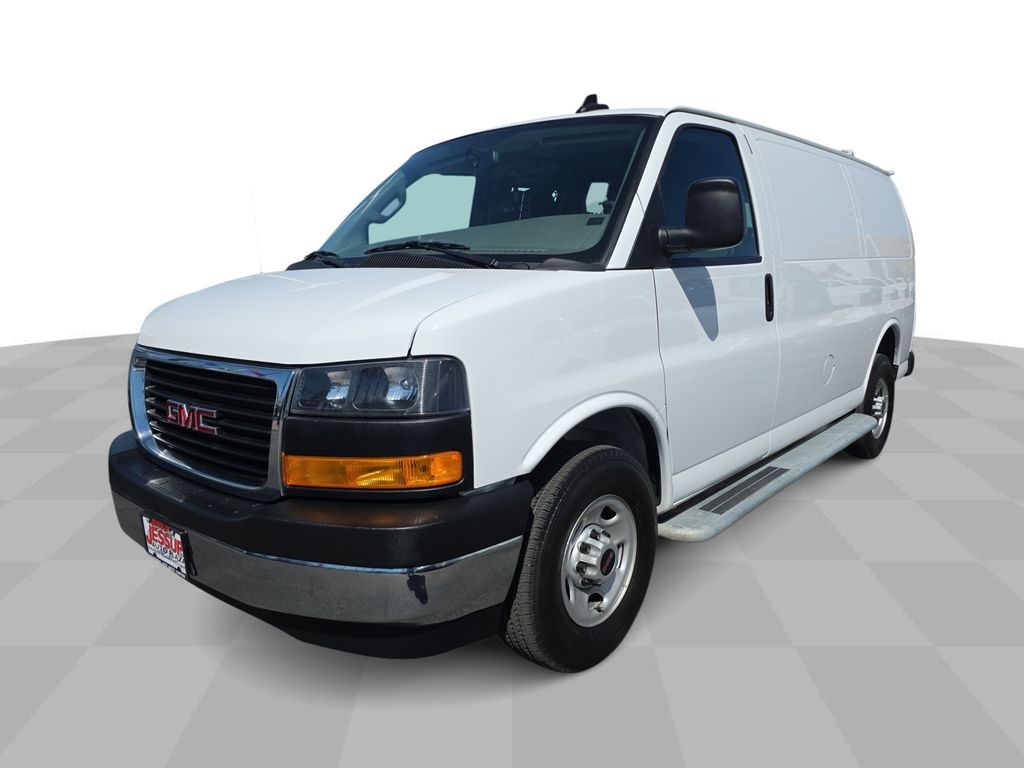
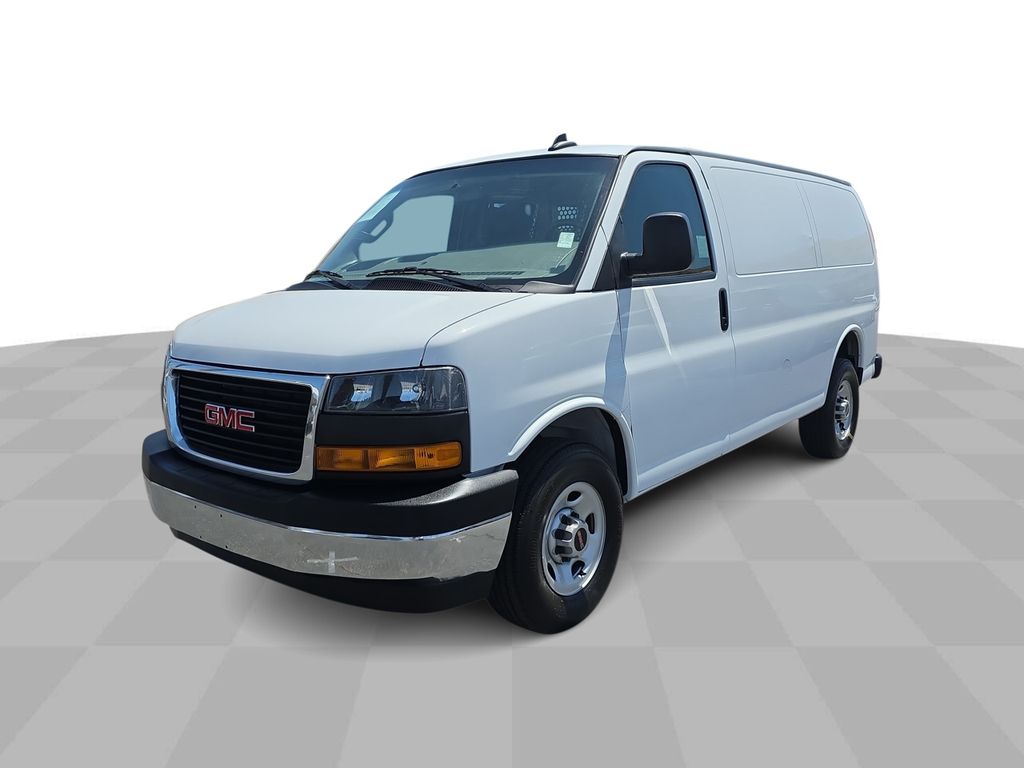
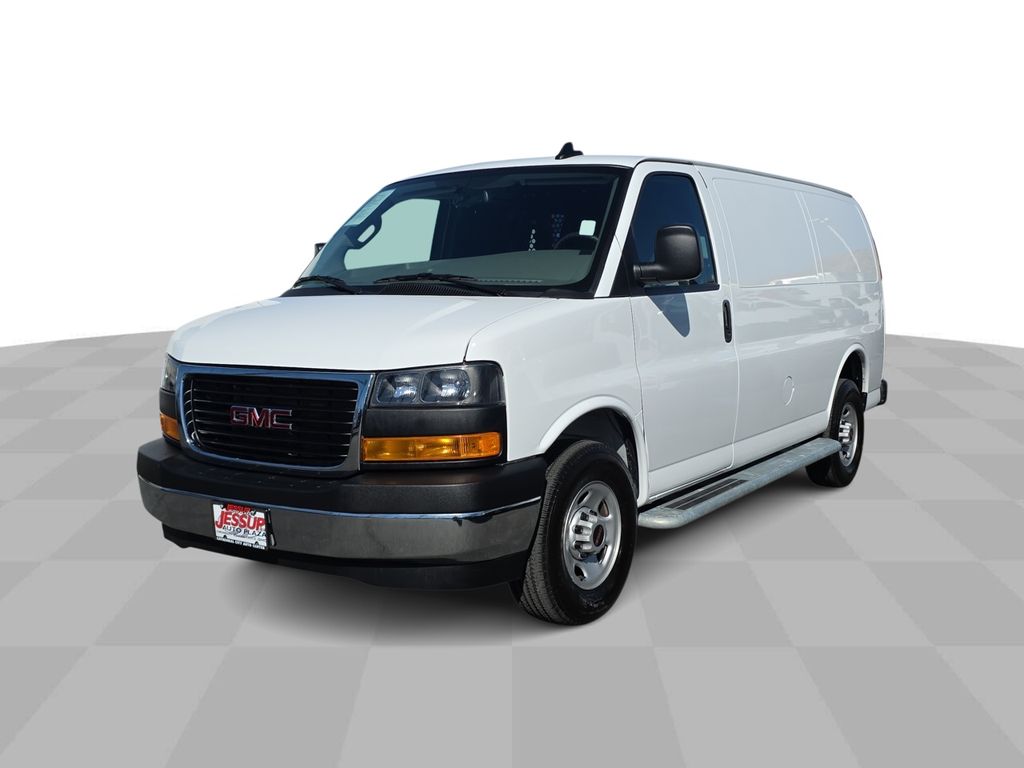
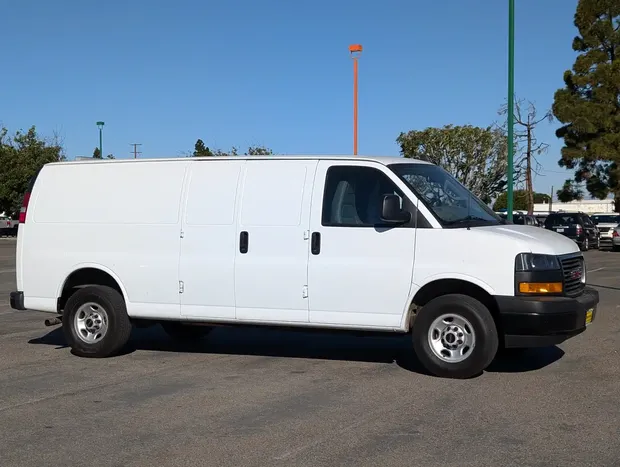
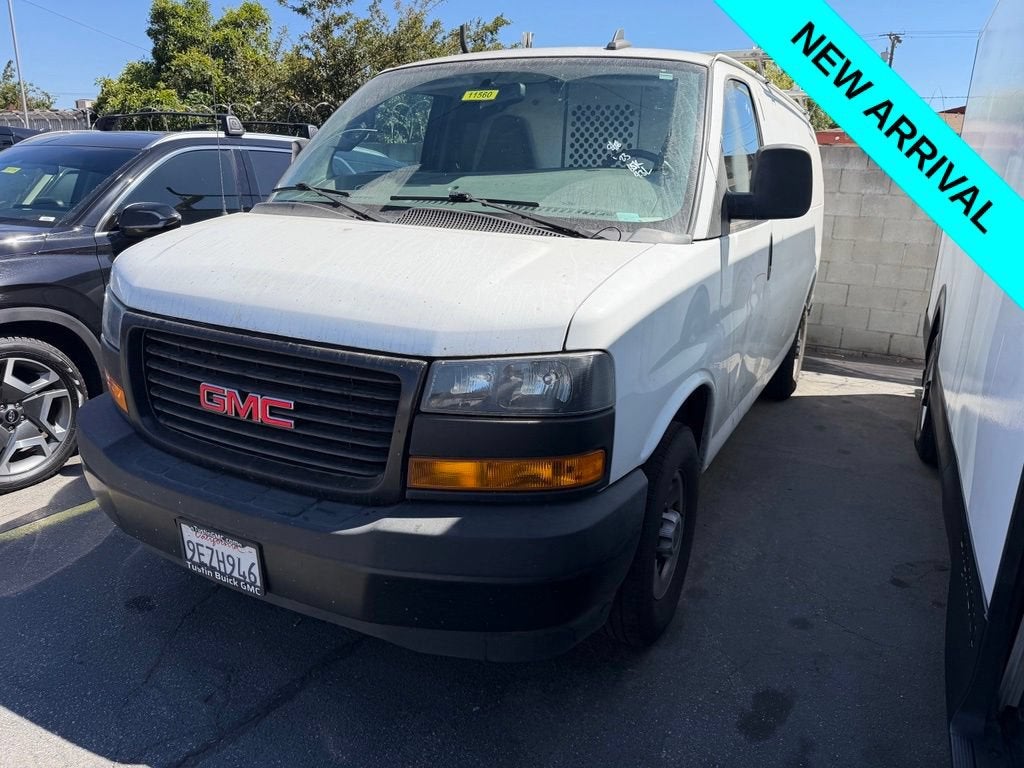
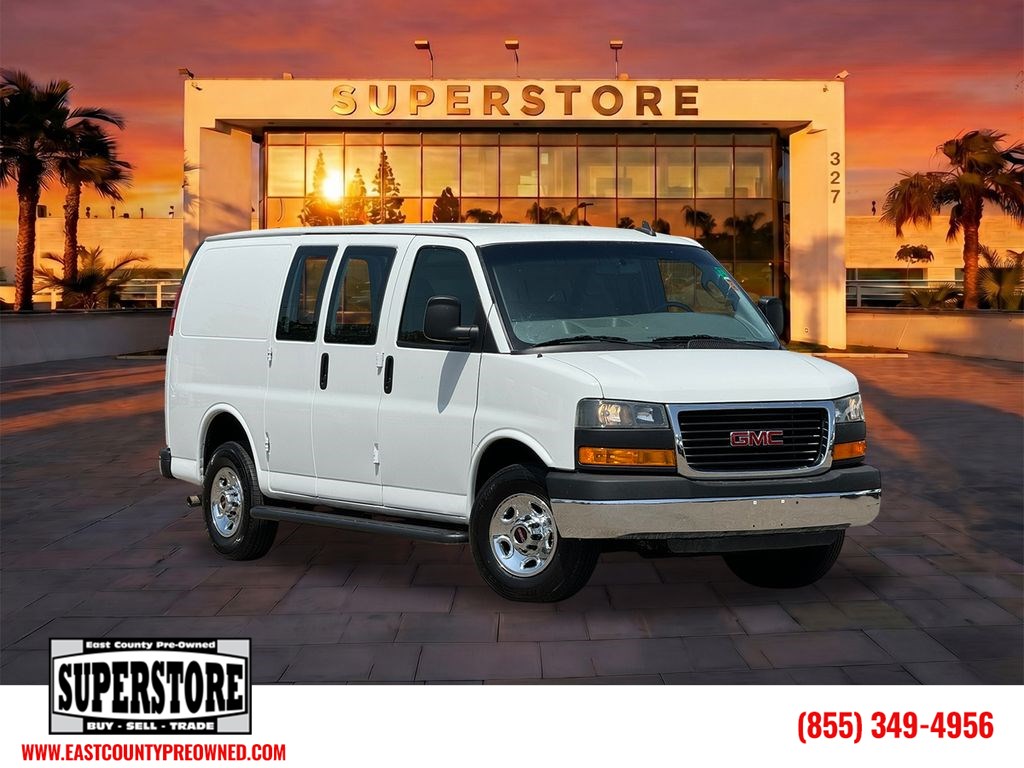
- Is the GMC Savana just a rebadged Chevrolet Express?
- Essentially yes — same platform, same mechanicals, built alongside each other. The real differences are the dealer network, trim and equipment packaging, and whatever fleet pricing is available at the time. Get both quoted on an identical specification and buy from whichever dealer will support you better.
- What is a cutaway and why would I want one?
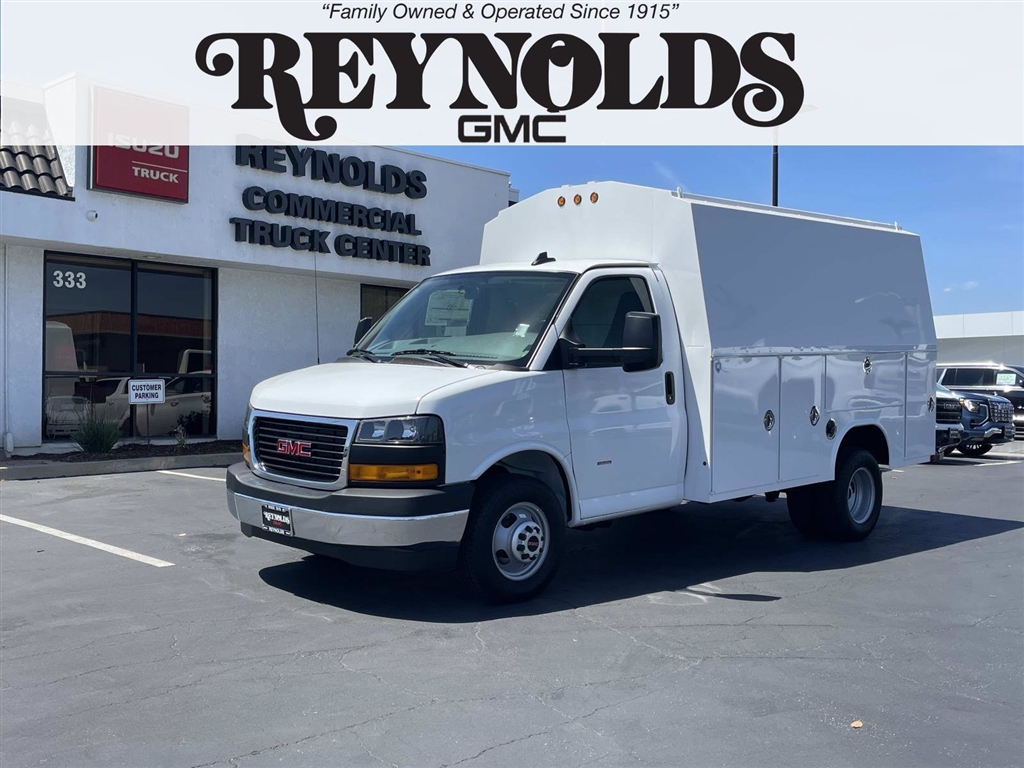
- A cutaway is a cab and chassis with nothing behind the seats, sold so a second-stage manufacturer can build a box, shuttle cabin, wheelchair-accessible body or ambulance module on it. You want one when a standard van cannot do the job — more cargo volume, proper passenger seating, or accessibility equipment.
- What is the difference between the 2500, 3500 and 4500?
- Weight rating and capability, running from roughly 8,600 lbs up to about 12,300 lbs GVWR. The 2500 and 3500 cover cargo and passenger work; the 4500 is the heavy cutaway that carries substantial box and shuttle bodies. Choose by finished loaded weight, not by empty weight.
- Can I get a high-roof Savana?
- Not from the factory. The roof height is fixed and an average adult cannot stand inside. If standing room is essential, a Ford Transit or Ram ProMaster is the right vehicle. If you are buying a cutaway that will receive a taller box or shuttle body anyway, the van roof height is irrelevant.
- How many passengers can a Savana carry?
- The passenger van seats up to fifteen. Cutaway shuttle bodies commonly carry twelve to twenty depending on the conversion and whether wheelchair positions are included. Note that a full load of people plus luggage approaches the weight rating faster than most operators expect.
- Are fifteen-passenger vans safe?
- They require respect rather than avoidance. Loaded with people seated high in the body, the centre of gravity rises and handling changes noticeably, particularly in avoidance manoeuvres. Driver training, correct tyre pressures and attention to tyre age rather than just tread depth all matter more here than on an ordinary vehicle.
- How long does a cutaway conversion take?
- It varies widely by converter and body type, and specialist accessible or emergency conversions take considerably longer than a standard box. Ask for a written estimate and plan your service start date from that rather than from chassis availability, because the body is nearly always the longer wait.
- What should I check on a used shuttle or paratransit Savana?
- The conversion first: who built it, whether they still trade, and whether body and lift parts are still available. Then the lift or ramp through a full cycle under load, with its service record. Then brakes and transmission, because stop-start shuttle duty ages both far faster than the odometer implies.
- Is the Savana economical to run?
- Cheap to buy and repair, thirstier than modern rivals. Parts are universal and any competent shop can work on it, which keeps maintenance predictable and downtime short. The fuel gap against a newer van is real though, and on high-mileage shuttle work it accumulates into a number worth calculating before you decide.
- Should I buy a Savana or a Ford Transit?
- Transit if people need to stand inside, if fuel economy over high mileage matters, or if you want current driver assistance. Savana if you need a cutaway for a proven conversion, if you want the 4500 series weight rating, or if low purchase price and simple servicing suit your operation better.
- Does GMC offer commercial fleet support?
- Yes. GM operates commercial and fleet programmes covering incentives, upfit coordination and business purchase terms, and many GMC dealers have dedicated commercial staff. If you are buying more than one vehicle it is worth speaking to that department rather than the retail showroom, since the terms available differ.
- What engine options does the Savana come with?
- Petrol V8 power is the mainstay of the range, and it is the sensible choice for the majority of shuttle, delivery and cargo duty cycles because it costs less to buy, less to service, and is untroubled by the short-trip running that gives modern diesels trouble. Diesel has appeared in the range at various points and suits high-mileage regional work where the fuel saving accumulates. For a cutaway destined to become a shuttle doing constant short hops with long idle periods, petrol is very often the better business answer despite the higher fuel bill, simply because it avoids regeneration problems and the downtime those bring.
- Can a Savana cutaway be specified for extra electrical capacity?
- Yes, and on many conversions it is the single most important chassis decision. Ambulance modules, broadcast vehicles, mobility lifts and refrigerated boxes all draw substantial current, and a chassis ordered without upgraded alternator and wiring provisions will struggle once the body is fitted. Your converter should specify exactly what they need before the order is placed, because retrofitting electrical capacity afterwards is far more expensive and less satisfactory than ordering it correctly in the first place.
- How well does a Savana hold its value?
- Cargo and passenger vans depreciate conventionally, helped by steady demand and cheap running costs. Converted vehicles are more variable: a well-built shuttle or accessible body from a recognised converter holds value reasonably, while a conversion from a company that has since closed can be very hard to sell regardless of the chassis condition underneath it.