- What is the difference between the NPR-HD, NQR and NRR?
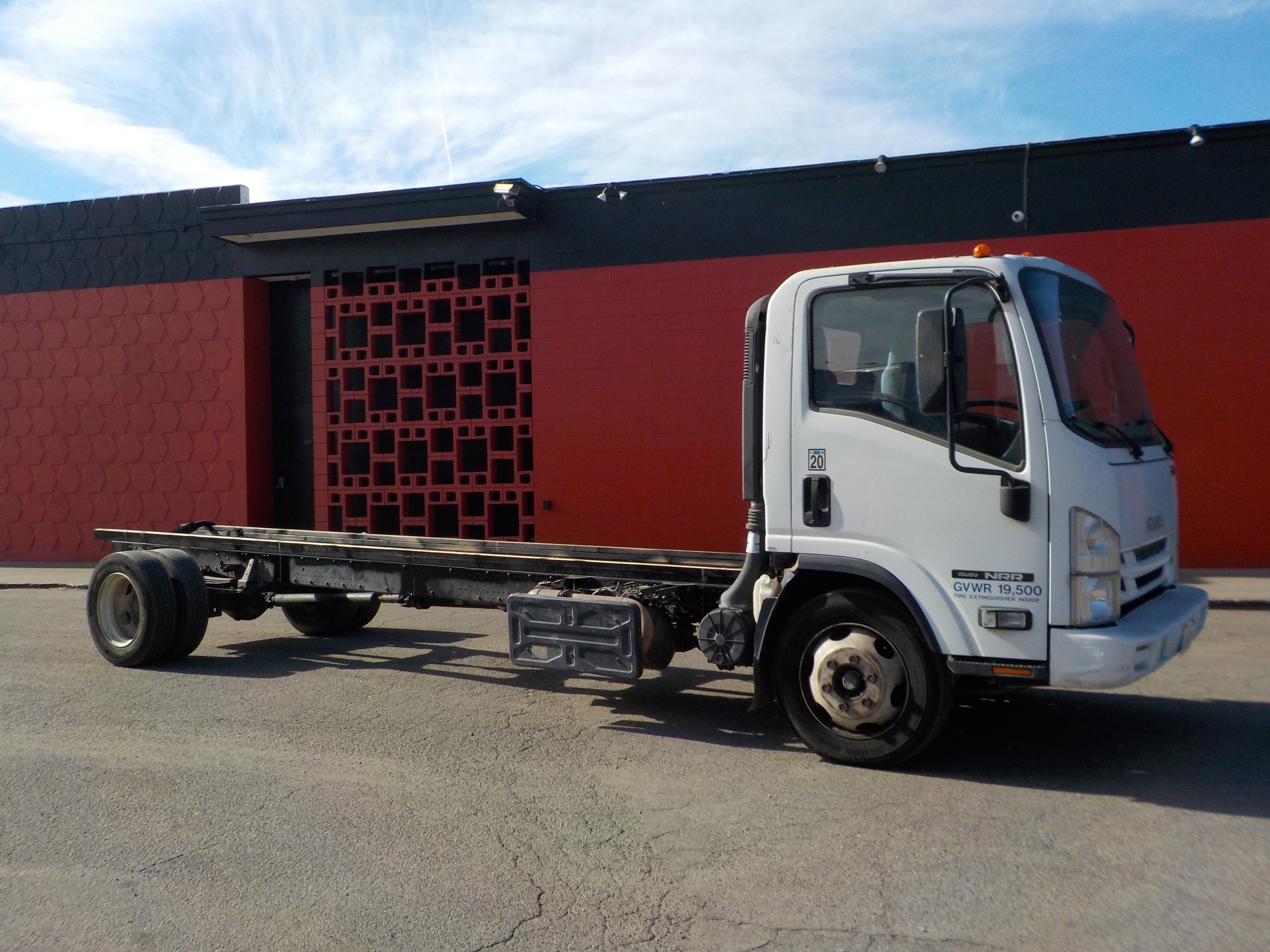
- Weight rating, and therefore what body and payload each supports. The NPR-HD is rated at 14,500 lbs, the NQR at 17,950 and the NRR at 19,500, with payload rising accordingly. All three stay below the threshold at which California licensing requirements change, so the choice is about capacity rather than about who can drive them.
- Do I need a commercial licence to drive an NRR?
- Generally no. At 19,500 lbs GVWR it sits below the 26,001 lb point that typically triggers a commercial driver licence requirement, which is a large part of why this weight class is popular. Towing changes the combined rating, so confirm your specific configuration with the California DMV.
- Why choose an NRR over an NQR?
- Because your loads need it. If you run a full refrigeration unit, a 22 to 24 ft body, or freight dense enough that a lighter truck reaches its rating half empty, the NRR gives genuine margin. If your loads only occasionally reach the NQR rating, the smaller truck is cheaper to run and easier to place all year.
- Is petrol available on the NRR?
- No. The petrol option that makes the NPR attractive for short urban stop-start routes does not extend to this model, so the NRR is a diesel proposition and modern diesel after-treatment considerations apply. For the regional distribution work this truck usually does, sustained running suits those systems well.
- How big a body can an NRR carry?
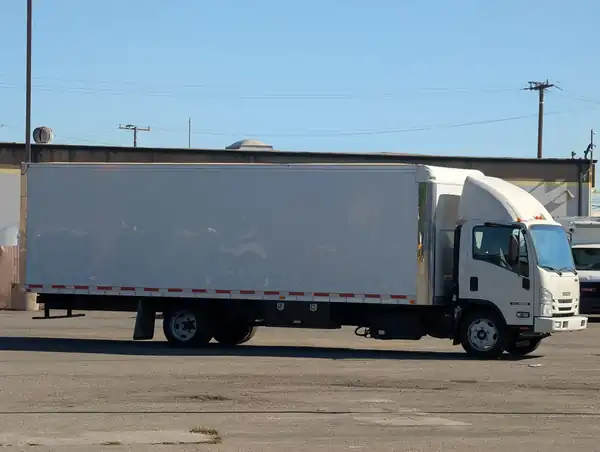
- Bodies up to around 24 ft are common. The practical limit is usually your routes rather than the chassis: a 24 ft body is a long vehicle to reverse and position, and some delivery points that worked with a smaller truck will not accommodate it. Check real sites before specifying length.
- What should I check on a used refrigerated NRR?
- Refrigeration unit hours and service record first, because the unit wears independently of the truck and is expensive to replace. Then the insulated body for damage and seal condition, the liftgate through a full cycle under load, and the floor and lower door frames where pallet truck damage accumulates.
- Can my usual workshop service an NRR?
- Ask before you buy, and ask about two things rather than one. Raising the cab to reach the engine needs vertical clearance that many shops do not have, and the finished vehicle length means some bays cannot accommodate the truck at all. Both are easy to confirm in advance and awkward to discover afterwards.
- How quickly can I get an NRR with a body fitted?
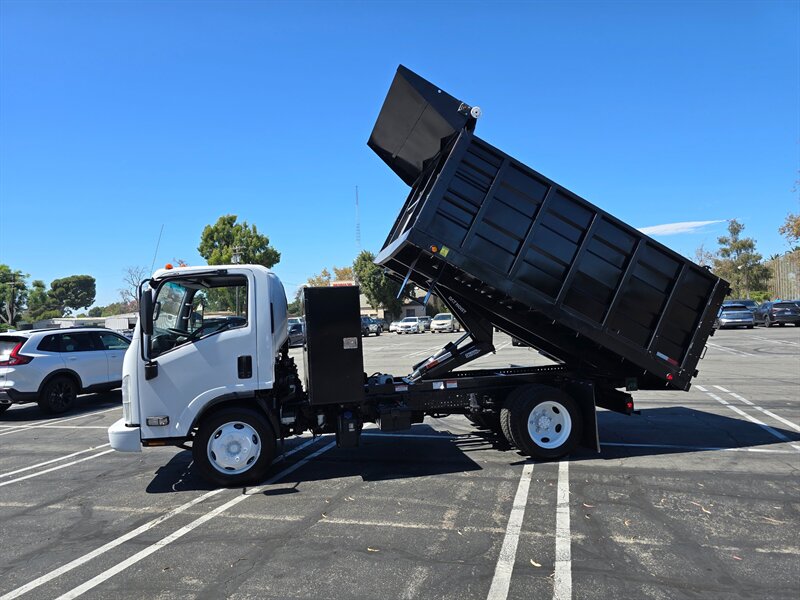
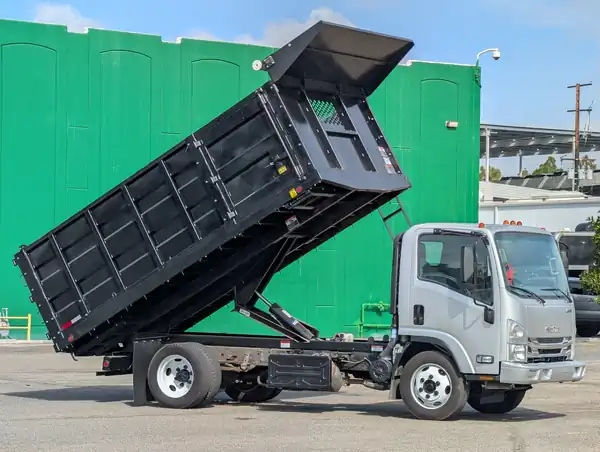
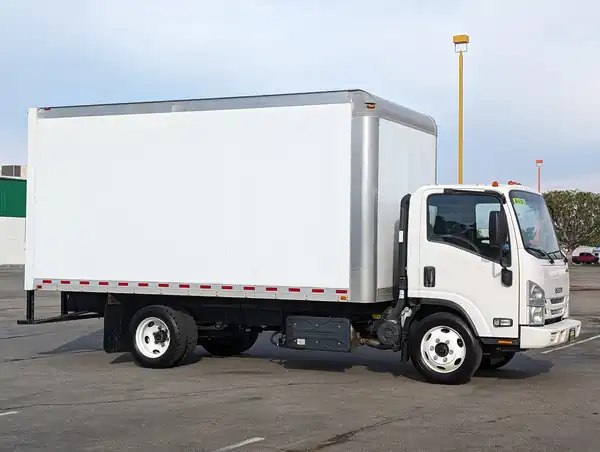
- Often quickly, which is a genuine Isuzu advantage. Dealers stock completed trucks with box, stake and refrigerated bodies already fitted, so buying from inventory can put a working vehicle on the road in days. A conventional chassis cab typically means months waiting in an upfitter queue.
- How much can an NRR actually carry?
- Payload commonly runs between about 10,500 and 13,000 lbs depending on the body fitted. The body is the variable that matters: an insulated reefer body with a refrigeration unit and liftgate weighs substantially more than a dry box, and that difference comes directly off what you can carry.
- Is an NRR harder to drive than a smaller cab-over?
- It is longer, so it needs more room to turn and reverse, but the cab-forward layout keeps visibility and the turning circle better than a conventional truck of similar body length. Drivers moving up from an NPR need familiarisation with the extra length rather than with anything fundamentally different.
- What are the main running costs to budget for?
- Tyres and brakes are the recurring items, and distribution duty with constant stops wears both faster than mileage suggests. Beyond that, budget the body as its own line: liftgate servicing, door and seal maintenance, and on a reefer the refrigeration unit servicing, which is frequently what takes the truck off the road rather than the drivetrain.
- Does a liftgate reduce how much an NRR can carry?
- Yes, and by more than most buyers expect. A liftgate rated to handle pallets is a heavy assembly of steel, hydraulics and mounting structure hung off the rear of the body, and every pound of it comes directly out of your payload allowance. It also sits at the very back of the vehicle, which loads the rear axle disproportionately compared with weight carried over the middle of the body. None of that is a reason to skip one — for kerbside delivery without a dock it is essential equipment — but it should be counted in your payload arithmetic from the start rather than treated as an accessory bolted on at the end.
- Is a Crew Cab worth having on an NRR?
- It depends whether you are moving people as well as freight. A crew cab lets a team travel with the load, which suits municipal and utility operations that would otherwise run a separate vehicle, and removing that second vehicle takes its insurance, fuel and maintenance out of your costs entirely. What it costs you is length and body space: the extra cab pushes the wheelbase out, and on a truck already carrying a long body the finished vehicle becomes considerably harder to place and turn. For pure distribution work a regular cab is almost always the better choice.
- How well does an NRR hold its value?
- Well, helped by consistent demand for this size of truck across Southern California distribution. A dry box truck with a sound body sells straightforwardly. A refrigerated truck is more variable, because buyers price the refrigeration unit separately in their heads and a unit with high hours and no service history reduces the value of the whole vehicle considerably.