SoCal Work Trucks

Isuzu NRR near Oxnard, California

Class 6 cab-over for the largest bodies below Class 7. Below: who sells it near Oxnard, what is available now, and how to choose the right configuration.

Buying a Isuzu NRR near Oxnard

No sellers in our network are currently listed close to Oxnard. Commercial dealers routinely deliver across Southern California, so tell us what you need and we will look more widely.

20 Isuzu NRR listings in Ventura County

Filters
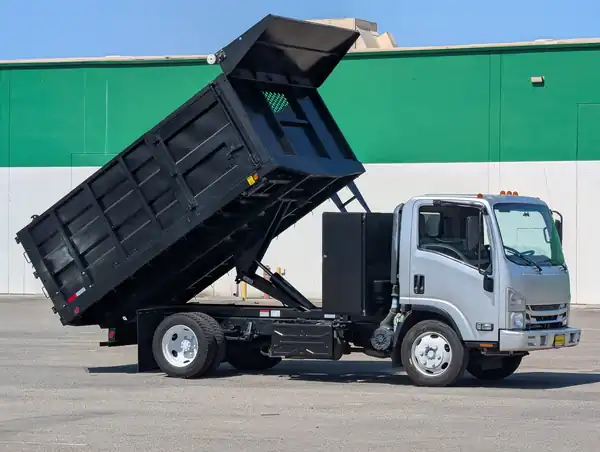
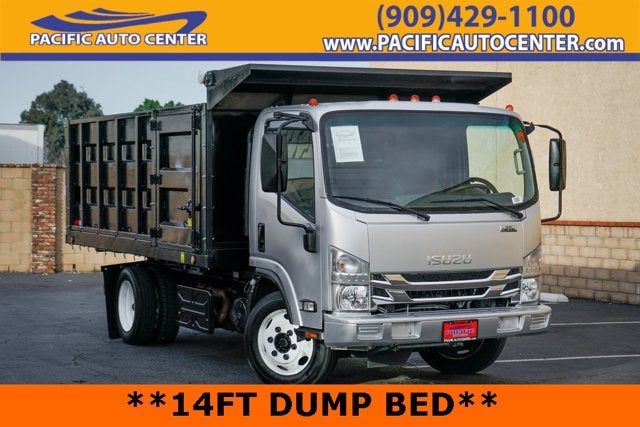
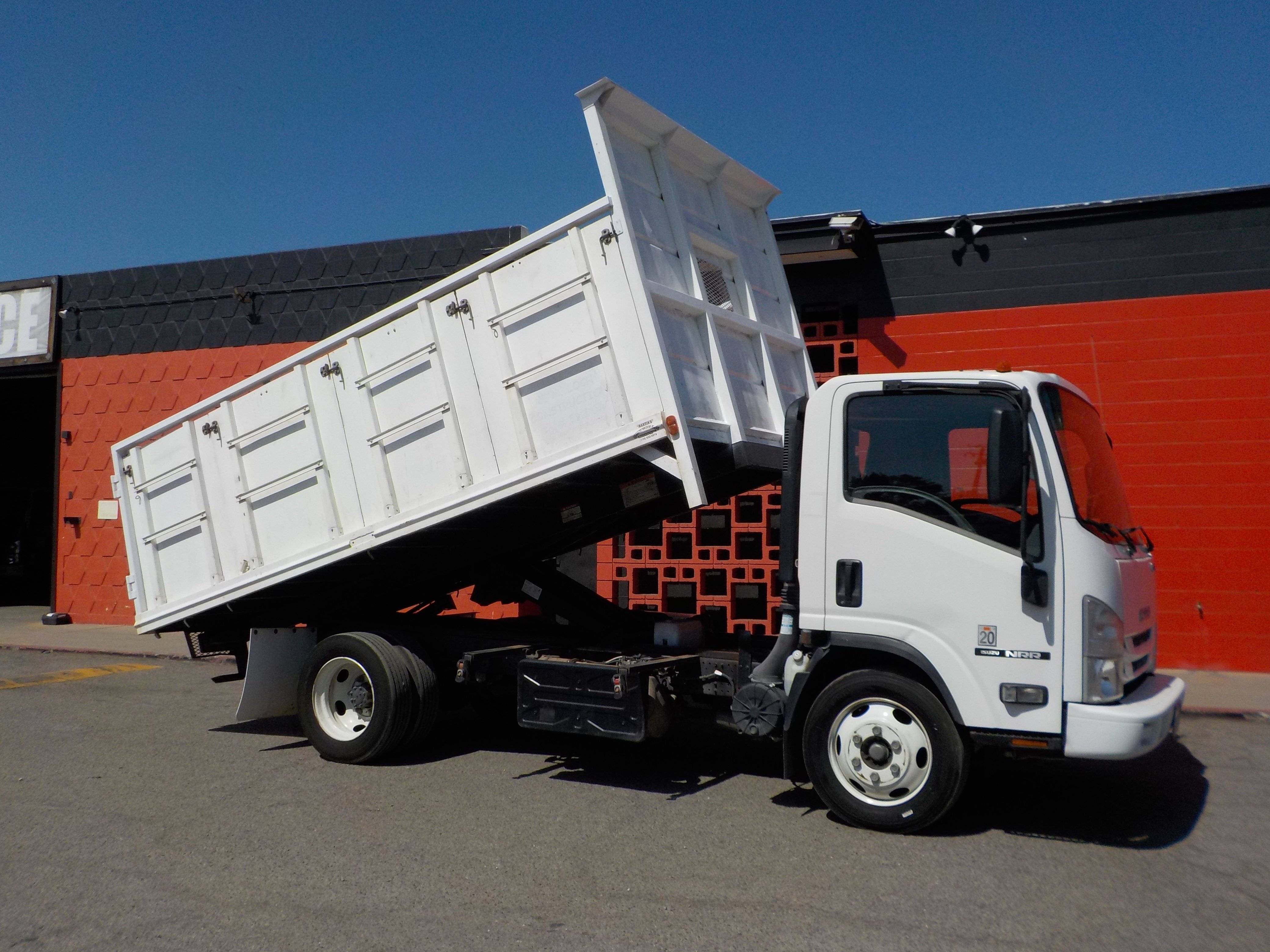
  • 2022 Isuzu NRR Low Cab Forward

    2022 Isuzu NRR

    Low Cab Forward · Pickup

    $56,075

    Mileage
    50,205 mi
    Listed by an outside seller, CAReference listing
    Last confirmed September 13, 2026 — contact seller to confirm availability
    View Original Listing
  • 2020 Isuzu NRR

    $59,995

    Mileage
    106,728 mi
    Listed by an outside seller, CAReference listing
    Last confirmed September 13, 2026 — contact seller to confirm availability
    View Original Listing
  • 2020 Isuzu NRR

    $29,640

    Mileage
    169,201 mi
    Listed by an outside seller, CAReference listing
    Last confirmed September 13, 2026 — contact seller to confirm availability
    View Original Listing
  • 2019 Isuzu NRR

    $39,995

    Mileage
    114,905 mi
    Listed by an outside seller, CAReference listing
    Last confirmed September 13, 2026 — contact seller to confirm availability
    View Original Listing
  • 2019 Isuzu NRR

    $40,080

    Mileage
    109,264 mi
    Listed by an outside seller, CAReference listing
    Last confirmed September 13, 2026 — contact seller to confirm availability
    View Original Listing
  • 2019 Isuzu NRR

    $50,080

    Mileage
    67,775 mi
    Listed by an outside seller, CAReference listing
    Last confirmed September 13, 2026 — contact seller to confirm availability
    View Original Listing
  • 2019 Isuzu NRR

    $43,080

    Mileage
    106,797 mi
    Listed by an outside seller, CAReference listing
    Last confirmed September 13, 2026 — contact seller to confirm availability
    View Original Listing
  • 2019 Isuzu NRR

    $43,080

    Mileage
    108,415 mi
    Listed by an outside seller, CAReference listing
    Last confirmed September 13, 2026 — contact seller to confirm availability
    View Original Listing
  • 2019 Isuzu NRR

    $43,080

    Mileage
    103,966 mi
    Listed by an outside seller, CAReference listing
    Last confirmed September 13, 2026 — contact seller to confirm availability
    View Original Listing
  • 2019 Isuzu NRR

    $40,080

    Mileage
    129,030 mi
    Listed by an outside seller, CAReference listing
    Last confirmed September 13, 2026 — contact seller to confirm availability
    View Original Listing
  • 2019 Isuzu NRR

    $34,075

    Mileage
    52,376 mi
    Listed by an outside seller, CAReference listing
    Last confirmed September 13, 2026 — contact seller to confirm availability
    View Original Listing
  • 2018 Isuzu NRR

    $40,080

    Mileage
    151,730 mi
    Listed by an outside seller, CAReference listing
    Last confirmed September 13, 2026 — contact seller to confirm availability
    View Original Listing
  • 2018 Isuzu NRR

    $45,995

    Mileage
    80,321 mi
    Listed by an outside seller, CAReference listing
    Last confirmed September 13, 2026 — contact seller to confirm availability
    View Original Listing
  • 2018 Isuzu NRR

    $41,995

    Mileage
    99,663 mi
    Listed by an outside seller, CAReference listing
    Last confirmed September 13, 2026 — contact seller to confirm availability
    View Original Listing
  • 2018 Isuzu NRR

    $40,995

    Mileage
    103,673 mi
    Listed by an outside seller, CAReference listing
    Last confirmed September 13, 2026 — contact seller to confirm availability
    View Original Listing
  • 2018 Isuzu NRR

    $42,075

    Mileage
    103,670 mi
    Listed by an outside seller, CAReference listing
    Last confirmed September 13, 2026 — contact seller to confirm availability
    View Original Listing
  • 2018 Isuzu NRR

    $39,999

    Mileage
    84,000 mi
    Listed by an outside seller, CAReference listing
    Last confirmed September 13, 2026 — contact seller to confirm availability
    View Original Listing
  • 2017 Isuzu NRR

    $18,640

    Mileage
    217,792 mi
    Listed by an outside seller, CAReference listing
    Last confirmed September 13, 2026 — contact seller to confirm availability
    View Original Listing
  • 2016 Isuzu NRR

    $35,118

    Mileage
    114,355 mi
    Listed by an outside seller, CAReference listing
    Last confirmed September 13, 2026 — contact seller to confirm availability
    View Original Listing
  • 2016 Isuzu NRR

    $19,999

    Mileage
    151,445 mi
    Listed by an outside seller, CAReference listing
    Last confirmed September 13, 2026 — contact seller to confirm availability
    View Original Listing

Buying a work vehicle in Oxnard

Very few cities in this region still lead with farming, and Oxnard is one of them. Agriculture employs around eleven and a half thousand people here, narrowly ahead of health care and manufacturing, which sit at a similar level each. That balance is unusual and it shapes everything about the local vehicle market.

The farming itself is intensive rather than extensive. Strawberries, celery and lima beans together produce over two billion dollars a year from a relatively compact plain, which means dense field operations, packing houses and cold chain rather than the wide, sparse acreage people picture when they hear the word.

That cold chain is the detail most buyers underestimate. Berries picked in the morning have to reach refrigeration quickly, so refrigerated capacity, reliable door seals and equipment that holds temperature through a long working day are commercial necessities rather than refinements.

The Port of Hueneme adds a second economy entirely. It is the only deep-water harbour between the two great California port complexes, ranks in the top ten nationally for automobiles and fresh produce, and brings customs brokerage, vehicle processing and cold storage into the same few square miles as the farms.

Manufacturing is substantial and more advanced than the farming reputation suggests. The city hosts a machine tool builder employing several thousand people, and precision production of that kind requires calibrated servicing, controlled conditions and technicians who arrive properly equipped.

On buying, Oxnard is genuinely distant from the Inland Empire — this is the far western edge of the region. Delivery is possible but the journey is long, so local and Los Angeles County inventory usually deserves the first look.

What Oxnard businesses actually buy

Refrigeration and cold chain service

Packing houses, cold stores and refrigerated trailers keep produce within tight temperature bands from field to ship. Service vehicles carry compressors, controls and refrigerant, and a call during harvest is measured against perishable stock rather than comfort.

Agricultural equipment repair

Harvesters, irrigation systems, tractors and packing line machinery need field repair where they stand. Heavy service bodies with welding capability, hydraulic hose and a wide parts inventory, because towing equipment off a field mid-harvest is rarely an option.

Port and vehicle processing support

Automobile handling, cold storage and cargo facilities at the harbour require mechanical, electrical and materials handling maintenance. Access follows port security procedures, and those requirements are set by the facility rather than negotiated with the contractor.

Precision manufacturing servicing

Machine tool and precision component production demands calibrated instruments, clean transport for measuring equipment, and technicians working inside controlled areas. A different discipline entirely from the agricultural work happening a mile away.

Irrigation and water systems

Drip lines, pumps, filtration and well equipment across the growing plain. Pickups with pipe racks and dump capacity for gravel and fittings, specified for soft field edges and unpaved headlands rather than for highway comfort.

Food processing plant maintenance

Washing, sorting, packing and freezing lines running to food safety standards. Stainless fabrication, sanitary fittings and hygiene requirements that dictate how tools are carried and how the vehicle itself is kept.

Local conditions that change the decision

Harvest turns the rural road network into a working corridor. Tractors, trailers and crew transport occupy the lanes around the fields at predictable seasons, and a schedule built for the quiet months will not survive the busy ones.

Field access means soft ground, mud after irrigation and unpaved headlands. Ground clearance and sensible tyres matter for anyone servicing equipment where it sits, which is most of the agricultural trades here.

Marine air reaches across the plain from the coast, and agricultural chemicals add their own corrosive load. The combination is harder on bodywork and fasteners than either alone, and it deserves attention when assessing any vehicle that has worked here.

Port and naval facilities operate under security procedures covering routes, permitted hours and where vehicles may wait. Those constraints govern the working day for contractors serving them far more than congestion does.

Oxnard buying questions

What makes Oxnard different from other markets in the region?
Agriculture is still the largest employer, which is rare here. Around eleven and a half thousand people work in farming, narrowly ahead of health care and manufacturing. Very few Southern California cities of this size still lead with food production.
How important is refrigerated capacity locally?
Commercially essential for anyone touching produce. Berries and vegetables move from field to cold store on a short clock, so refrigerated capability, seal condition and the ability to hold temperature across a long shift are requirements rather than upgrades.
What does the Port of Hueneme mean for local trades?
It is the only deep-water harbour between the two big California port complexes and ranks in the national top ten for automobiles and fresh produce. That brings vehicle processing, cold storage and cargo handling work, all under port security procedures.
Do I need four-wheel drive for agricultural work here?
For field service, it earns its place. Headlands are unpaved, ground goes soft after irrigation, and equipment breaks down where it stands rather than somewhere convenient. For town-based work on paved commercial sites, it remains an expense without a return.
Is there real manufacturing in Oxnard?
Yes, and more advanced than the farming reputation suggests — machine tool building alone employs several thousand people here. That work needs calibrated servicing and controlled conditions, which is a different trade from agricultural repair entirely.
How hard is the local environment on vehicles?
Harder than most places in the region. Marine air crosses the plain from the coast and agricultural chemicals add a second corrosive load on top of it. Inspect fasteners, underbody and electrical connections carefully on anything that has worked here.
Should I buy locally or further inland?
Look locally and towards Los Angeles County first. Oxnard sits at the far western edge of the region, so the journey from Inland Empire dealers is long enough that their larger inventory advantage thins considerably.
Does harvest season really change how I should plan work?
Substantially. Rural roads fill with tractors, trailers and crew transport at predictable points in the year, and packing facilities run at capacity. Contractors here plan harvest and off-season as two different operating conditions.

Local guidance reviewed by the SoCal Work Trucks editorial team, last updated 2026-09-17.

Is the Isuzu NRR the right truck for your work?

Class 6 cab-over for the largest bodies below Class 7.

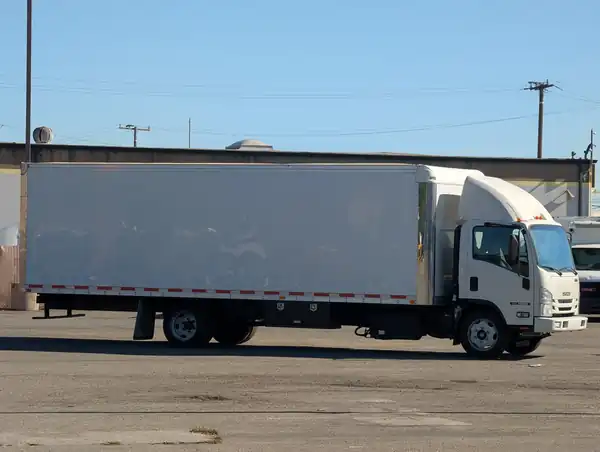
Refrigerated distribution and 22 to 24 ft box work.

Typical specifications

Ranges across common configurations of this model. The figures for any individual vehicle depend on its cab, wheelbase, drivetrain and upfit.

GVWR
19,500 lbs
Payload
10,500–13,000 lbs
Seating
3–7 seats

These are model ranges, not a specific truck. Payload in particular varies by well over 1,000 lbs across configurations. Always confirm against the door-jamb sticker and the manufacturer documentation for the exact vehicle before you buy or load it.

Configurations to choose between

  • Regular and Crew Cab
  • Diesel
  • Up to 24 ft bodies

What buyers get wrong

On a refrigerated unit, the reefer make, rating and service history matter more than the chassis. Ask for the unit hours as well as the truck mileage.

Body types it is built as

Who buys the Isuzu NRR

What else to consider

Vehicles commonly cross-shopped against the Isuzu NRR.

Isuzu NRR: the full picture

Every truck in the Isuzu N-Series range is designed around the same constraint, and the NRR is the model that pushes hardest against it. Nineteen and a half thousand pounds is as much weight as the range carries while still being drivable by someone hired from the general labour market. Above this, the hiring problem changes character entirely.

That ceiling shapes who buys it. Businesses arrive at the NRR because they have specific volume or weight requirements that the lighter models cannot meet: a 24 ft box, a full refrigeration unit with the insulation and equipment weight that implies, or freight dense enough that a 17,950 lb truck reaches its rating with the body half empty.

Refrigerated distribution is the clearest example and the largest single application. A reefer body carries a weight penalty before any product goes in — insulation, the refrigeration unit itself, its fuel, and often a liftgate. On a lighter chassis that consumes an uncomfortable share of the payload. On the NRR there is margin left to actually carry something, which is the whole point.

The trade for that capacity is footprint. A 24 ft body on a cab-over chassis is a long vehicle, and although the cab-forward layout still gives better manoeuvrability than a conventional truck of equivalent length, it is a meaningfully bigger thing to place than an NPR. Routes that worked for a smaller truck do not automatically work for this one, and that is worth checking against real delivery points rather than assuming.

Unlike the smaller models in the range, the NRR is a diesel proposition. The petrol option that makes the NPR attractive for short urban stop-start work does not extend up here, so the after-treatment considerations that come with modern diesel apply in full. For the regional distribution routes this truck typically runs, that is rarely a problem, because sustained running is exactly what diesel emissions systems want.

Availability follows the same pattern as the rest of the range, and it remains one of the strongest arguments for buying Isuzu at all. Dealers stock completed trucks with bodies already fitted, so a business can frequently buy a working vehicle rather than commissioning one. Against a conventional chassis cab waiting months on an upfitter queue, that is often the decisive factor.

How businesses actually use it

Refrigerated food distribution

Food distribution · Produce wholesale · Restaurant supply · Seafood

The application this truck is most often bought for. A full reefer body with insulation, refrigeration unit and liftgate weighs a great deal before product is loaded, and this chassis leaves genuine payload afterwards. On any used example the refrigeration unit hours matter as much as the odometer.

Typical configuration: Regular Cab with a 20 to 24 ft insulated body and reefer unit

Large box truck distribution

Furniture retail · Appliance distribution · Wholesale supply · Parcel

A 22 to 24 ft dry box for regional distribution runs. The extra length over an NPR translates directly into drops per trip, which changes route economics on multi-stop work where the truck would otherwise return to the depot to reload.

Typical configuration: Regular Cab with a 24 ft box body and liftgate

Beverage and dense freight delivery

Beverage distribution · Brewing · Bottled water · Building materials

Dense freight reaches a weight rating long before it fills a body, so payload rather than volume governs. This is precisely where stepping up from a lighter chassis pays, because the smaller truck was being limited by its rating rather than its space.

Typical configuration: Regular Cab with a 20 ft box and side or rear access

Stake bed and building material delivery

Building supply · Landscape supply · Nurseries · Fencing

Forklift-loaded from either side with a long usable deck. Confirm deck height against the yards you actually collect from, because a deck that a supplier’s forklift cannot reach turns every collection into a manual handling problem.

Typical configuration: Regular Cab with a 20 to 24 ft stake body

Municipal and utility support vehicles

Municipal fleets · Water districts · Public works · Utilities

Public-sector operators use this weight class for equipment transport and maintenance support where a larger truck would require licensed drivers. Staying under the licensing threshold keeps a wider pool of existing staff able to operate the vehicle.

Typical configuration: Regular or Crew Cab with a service, stake or utility body

Rental and relocation fleets

Truck rental · Household moving · Office relocation · Event logistics

Rental operators favour cab-over because non-professional drivers cope with the visibility and turning circle far better than with a conventional truck of the same body length. The NRR covers the larger end of that rental range.

Typical configuration: Regular Cab with a 24 ft box, ramp or liftgate

How to choose the right configuration

Begin by confirming that you genuinely need this much truck. The NRR costs more to buy, insure and run than an NQR, and takes more room to manoeuvre. If your loads reach the rating only occasionally, the smaller truck may serve better all year. If they reach it regularly, running a lighter chassis at its ceiling is the more expensive mistake.

Size the body by weight and by route, in that order. Dense freight fills a rating long before it fills a box, so a longer body may add no useful capacity at all while making the vehicle harder to place. Map the delivery points you actually serve and check the turning and reversing space at each before specifying length.

On a refrigerated build, treat the reefer specification as a separate decision of equal weight to the chassis. Unit make, temperature rating, whether it must hold frozen or merely chilled, and whether it runs from the engine or independently all change the truck’s capability and its running costs substantially. Get this specified by someone who understands your product, not by someone selling a chassis.

Verify service arrangements before purchase, because the cab-over reality applies here as much as anywhere. Reaching the engine means raising the entire cab, and the roof height that requires is beyond what a fair number of workshops can offer. With a longer wheelbase and a bigger body, finding a bay that fits the whole vehicle is a further constraint worth checking.

Look hard at completed used trucks alongside new orders. Because Isuzu dealers stock finished vehicles, the used market for bodied trucks at this size is unusually deep, and buying one lets you weigh and inspect the finished vehicle rather than estimating what a new build will come out at. For a business that needs to work now, this is frequently the better route.

Finally, think about where the business is heading rather than only where it is. If growth points towards heavier loads or longer bodies, the step above this range moves you into Class 7 and a different licensing conversation. Understanding that boundary now shapes whether the NRR is your ceiling or a staging post.

Our assessment

An editorial evaluation written by the SoCal Work Trucks editorial team, last reviewed 2026-09-04. It is our own assessment, not customer reviews or ratings.

The truck to buy when you need serious body length or a full refrigeration unit and want to keep hiring from the ordinary driver market. It is the most capable thing Isuzu offers below the licensing threshold, and for refrigerated distribution it is close to purpose-built. Buy it because the loads demand it, not because more capacity feels safer, since the footprint and running costs are real.

What it does well

  • Maximum capacity below the licensing threshold

    At 19,500 lbs GVWR it carries as much as the range allows while still being drivable without a commercial licence, which keeps recruitment straightforward.

  • Payload margin that suits refrigerated work

    Insulation, refrigeration equipment and a liftgate consume weight before product does. This chassis leaves genuine capacity afterwards, where a lighter one would not.

  • Supports 22 to 24 ft bodies

    The body length available here changes route economics on multi-drop work by reducing return trips to the depot to reload.

  • Completed trucks available from dealer stock

    Finished vehicles with bodies fitted can often be bought and worked within days, against months of upfitter queue for a conventional chassis cab.

  • Better manoeuvrability than a conventional truck of the same length

    The cab-forward layout gives a tighter turning circle and direct sight of the front corners, which matters when placing a long body in constrained yards.

Where it falls short

  • Diesel only

    The petrol option that makes the smaller models attractive for short urban work is not available here, so after-treatment considerations apply in full on stop-start duty.

  • A long vehicle to place

    A 24 ft body is a substantial thing to reverse and position. Routes that suited a smaller truck may need re-planning, and some delivery points will simply not work.

  • Servicing needs cab clearance and bay length

    Raising the cab requires vertical room many shops lack, and the finished vehicle length adds a second constraint on which workshops can take it at all.

  • Higher running costs than the lighter models

    Fuel, tyres, brakes and insurance all step up. Buying more capacity than the work needs is paid for on every trip rather than occasionally.

  • Refrigeration equipment is a major cost centre

    On a reefer, the unit is expensive to maintain and expensive to replace, and a tired one can cost more than the age of the truck suggests.

Ownership and used-buying notes

On any refrigerated truck, ask for the refrigeration unit hours and its full service record before you discuss the chassis. The unit runs independently of the engine and accumulates its own wear, so a truck with modest mileage can carry a thoroughly worn reefer. Replacement costs are high enough to change whether the purchase makes sense at all.

Inspect the body structure carefully, particularly around door frames, the floor and any liftgate mounting. Distribution trucks are loaded and unloaded many times a day, often with pallet trucks, and the accumulated damage shows in the floor and the lower door edges long before it appears anywhere else.

Check the cab tilt mechanism and its latches, and ask where the truck has been serviced. A stiff or reluctant mechanism on a vehicle of this size often indicates it has been maintained somewhere without proper clearance, which raises fair questions about what else was done awkwardly or skipped.

Questions buyers ask

What is the difference between the NPR-HD, NQR and NRR?
Weight rating, and therefore what body and payload each supports. The NPR-HD is rated at 14,500 lbs, the NQR at 17,950 and the NRR at 19,500, with payload rising accordingly. All three stay below the threshold at which California licensing requirements change, so the choice is about capacity rather than about who can drive them.
Do I need a commercial licence to drive an NRR?
Generally no. At 19,500 lbs GVWR it sits below the 26,001 lb point that typically triggers a commercial driver licence requirement, which is a large part of why this weight class is popular. Towing changes the combined rating, so confirm your specific configuration with the California DMV.
Why choose an NRR over an NQR?
Because your loads need it. If you run a full refrigeration unit, a 22 to 24 ft body, or freight dense enough that a lighter truck reaches its rating half empty, the NRR gives genuine margin. If your loads only occasionally reach the NQR rating, the smaller truck is cheaper to run and easier to place all year.
Is petrol available on the NRR?
No. The petrol option that makes the NPR attractive for short urban stop-start routes does not extend to this model, so the NRR is a diesel proposition and modern diesel after-treatment considerations apply. For the regional distribution work this truck usually does, sustained running suits those systems well.
How big a body can an NRR carry?
Bodies up to around 24 ft are common. The practical limit is usually your routes rather than the chassis: a 24 ft body is a long vehicle to reverse and position, and some delivery points that worked with a smaller truck will not accommodate it. Check real sites before specifying length.
What should I check on a used refrigerated NRR?
Refrigeration unit hours and service record first, because the unit wears independently of the truck and is expensive to replace. Then the insulated body for damage and seal condition, the liftgate through a full cycle under load, and the floor and lower door frames where pallet truck damage accumulates.
Can my usual workshop service an NRR?
Ask before you buy, and ask about two things rather than one. Raising the cab to reach the engine needs vertical clearance that many shops do not have, and the finished vehicle length means some bays cannot accommodate the truck at all. Both are easy to confirm in advance and awkward to discover afterwards.
How quickly can I get an NRR with a body fitted?
Often quickly, which is a genuine Isuzu advantage. Dealers stock completed trucks with box, stake and refrigerated bodies already fitted, so buying from inventory can put a working vehicle on the road in days. A conventional chassis cab typically means months waiting in an upfitter queue.
How much can an NRR actually carry?
Payload commonly runs between about 10,500 and 13,000 lbs depending on the body fitted. The body is the variable that matters: an insulated reefer body with a refrigeration unit and liftgate weighs substantially more than a dry box, and that difference comes directly off what you can carry.
Is an NRR harder to drive than a smaller cab-over?
It is longer, so it needs more room to turn and reverse, but the cab-forward layout keeps visibility and the turning circle better than a conventional truck of similar body length. Drivers moving up from an NPR need familiarisation with the extra length rather than with anything fundamentally different.
What are the main running costs to budget for?
Tyres and brakes are the recurring items, and distribution duty with constant stops wears both faster than mileage suggests. Beyond that, budget the body as its own line: liftgate servicing, door and seal maintenance, and on a reefer the refrigeration unit servicing, which is frequently what takes the truck off the road rather than the drivetrain.
Does a liftgate reduce how much an NRR can carry?
Yes, and by more than most buyers expect. A liftgate rated to handle pallets is a heavy assembly of steel, hydraulics and mounting structure hung off the rear of the body, and every pound of it comes directly out of your payload allowance. It also sits at the very back of the vehicle, which loads the rear axle disproportionately compared with weight carried over the middle of the body. None of that is a reason to skip one — for kerbside delivery without a dock it is essential equipment — but it should be counted in your payload arithmetic from the start rather than treated as an accessory bolted on at the end.
Is a Crew Cab worth having on an NRR?
It depends whether you are moving people as well as freight. A crew cab lets a team travel with the load, which suits municipal and utility operations that would otherwise run a separate vehicle, and removing that second vehicle takes its insurance, fuel and maintenance out of your costs entirely. What it costs you is length and body space: the extra cab pushes the wheelbase out, and on a truck already carrying a long body the finished vehicle becomes considerably harder to place and turn. For pure distribution work a regular cab is almost always the better choice.
How well does an NRR hold its value?
Well, helped by consistent demand for this size of truck across Southern California distribution. A dry box truck with a sound body sells straightforwardly. A refrigerated truck is more variable, because buyers price the refrigeration unit separately in their heads and a unit with high hours and no service history reduces the value of the whole vehicle considerably.

Official sources and further reading

Manufacturer and regulatory sources for specifications and requirements. We do not link to other vehicle-selling websites.

Shop Isuzu NRR by model year

Nearby cities

Find a Isuzu NRR near Oxnard

Two quick steps. A fleet specialist will follow up.

  1. 1. Your needs
  2. 2. Your details