SoCal Work Trucks

GMC Savana near Irvine, California

Body-on-frame cargo, passenger and cutaway van. Below: who sells it near Irvine, what is available now, and how to choose the right configuration.

Buying a GMC Savana near Irvine

No sellers in our network are currently listed close to Irvine. Commercial dealers routinely deliver across Southern California, so tell us what you need and we will look more widely.

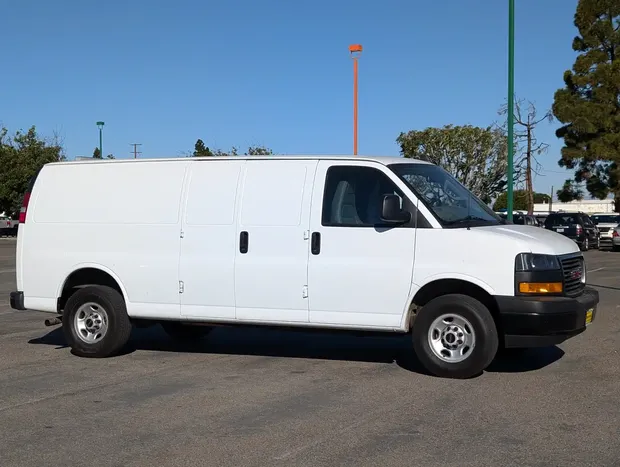
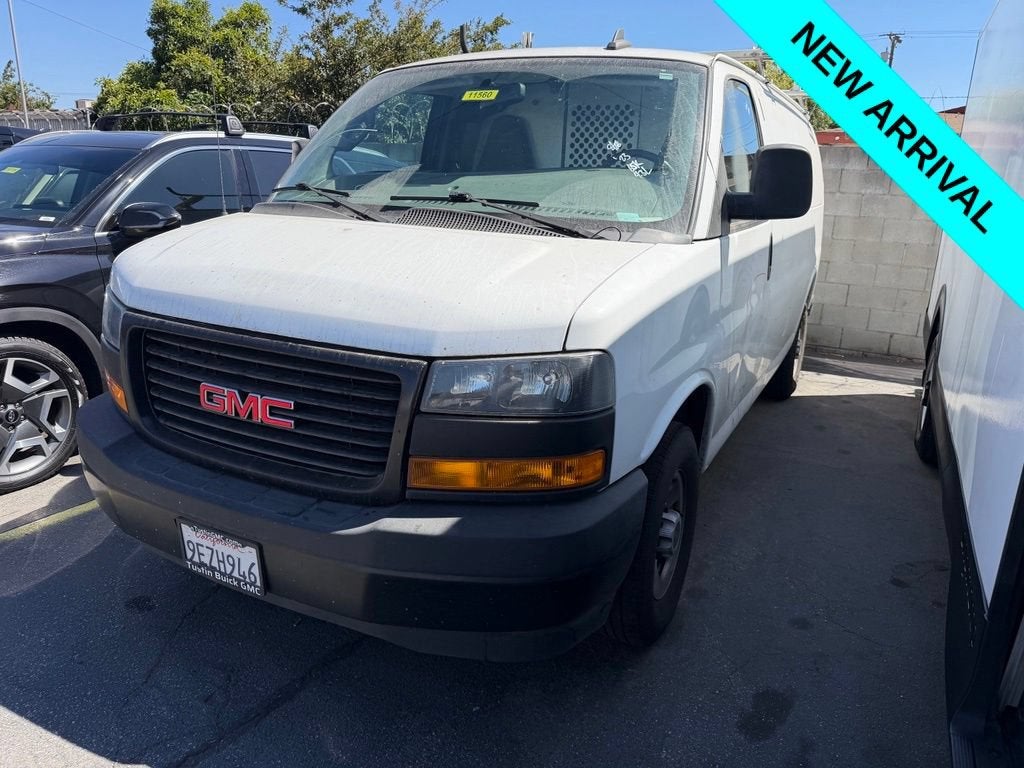
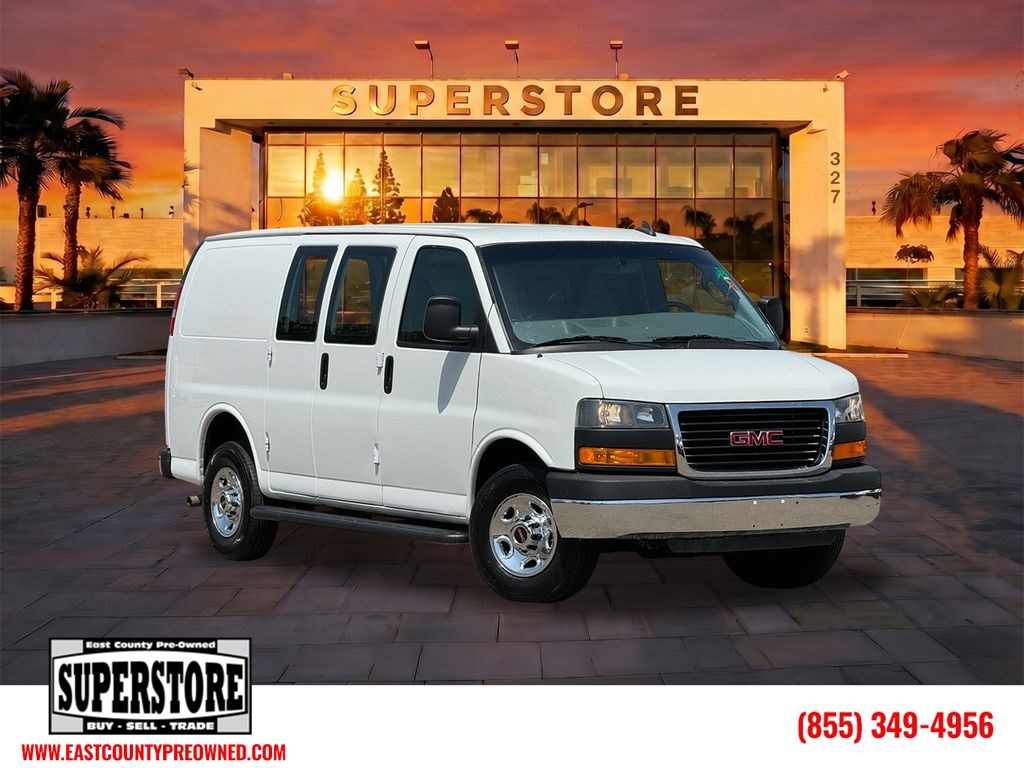
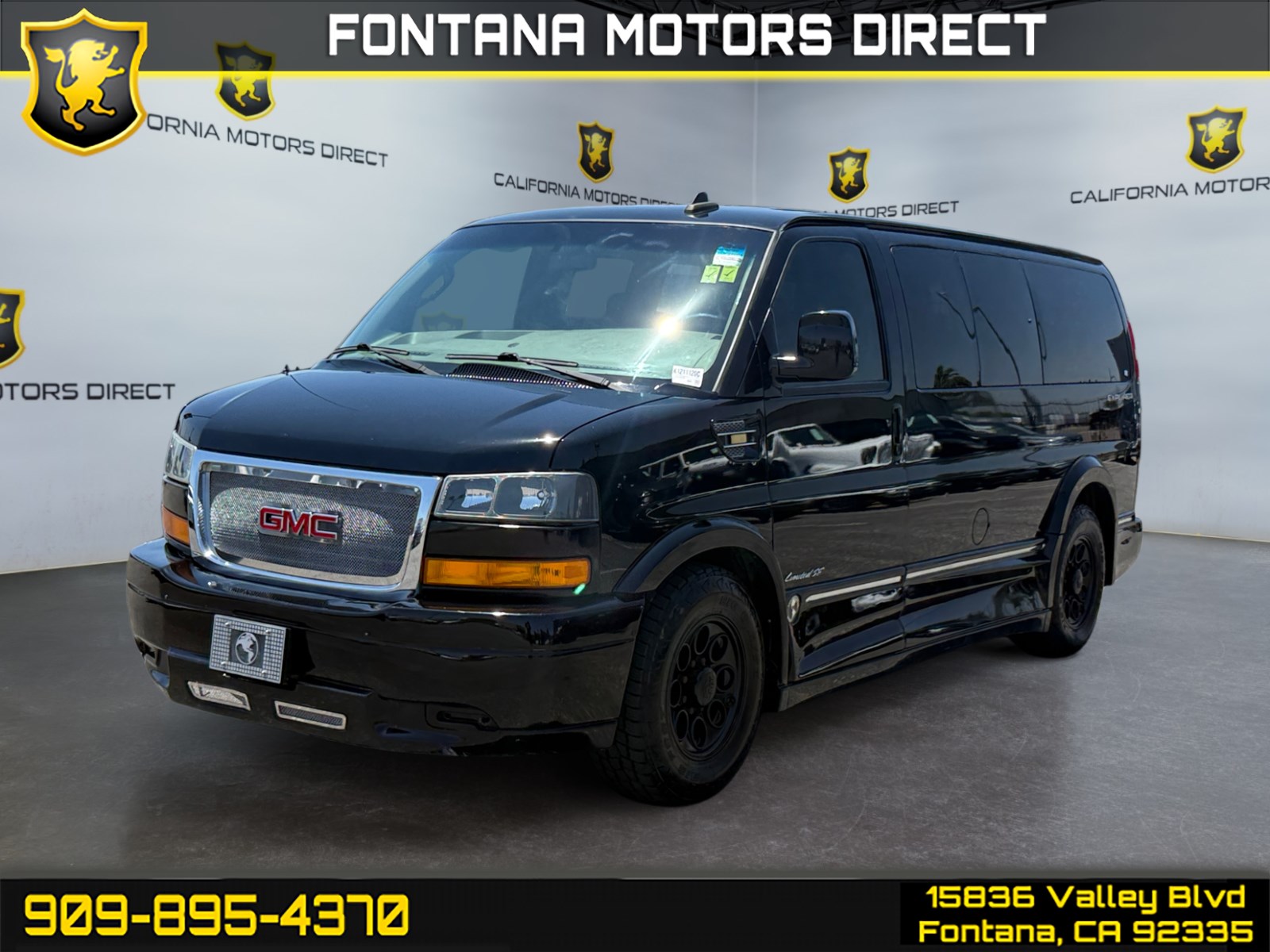
41 GMC Savana listings in Orange County

Filters1
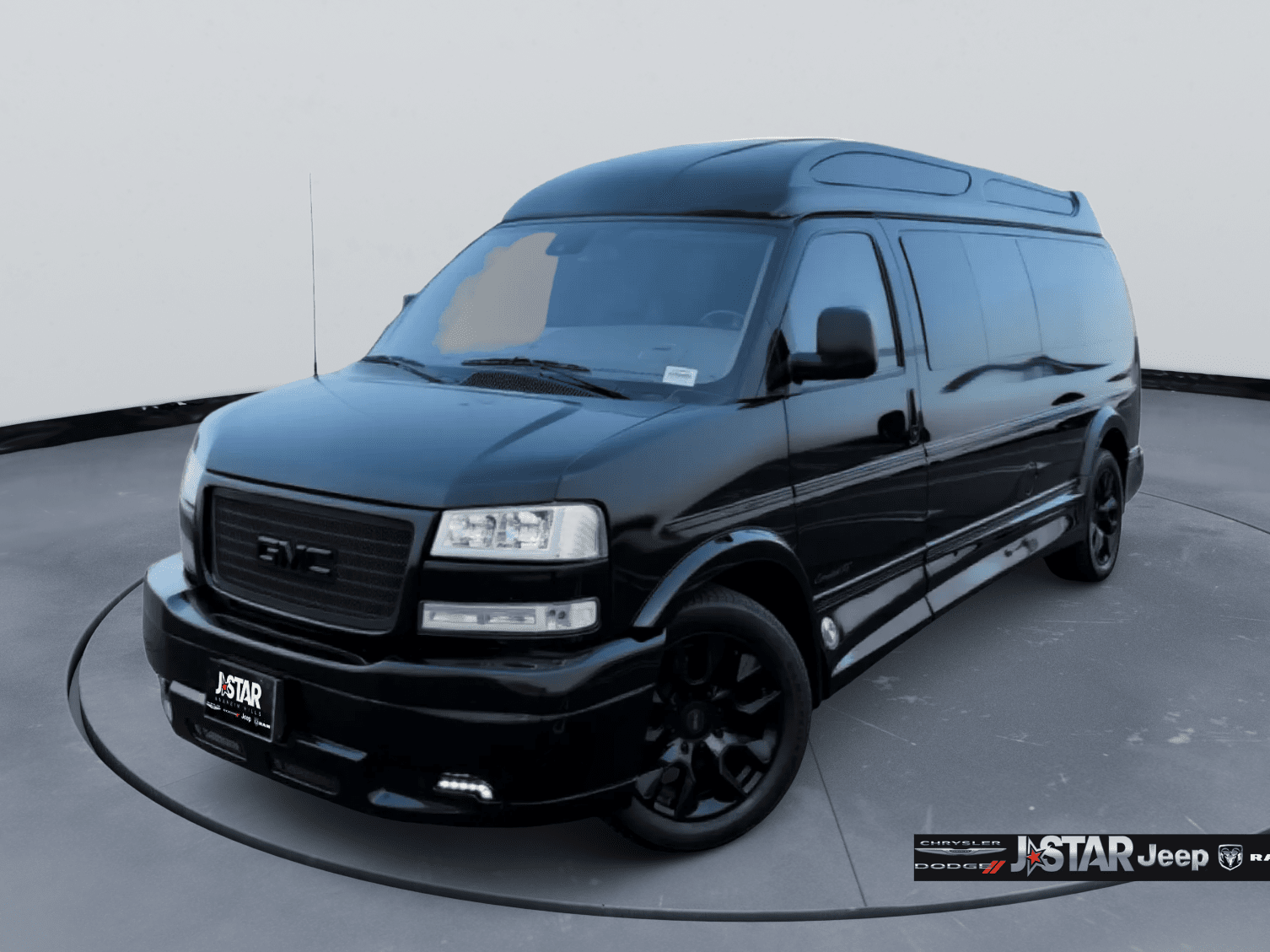
  • 2026 Gmc Savana Ext

    2026 Gmc Savana

    Ext · Cargo Van

    $51,905

    Listed by an outside seller, CAReference listing
    Last confirmed September 13, 2026 — contact seller to confirm availability
    View Original Listing
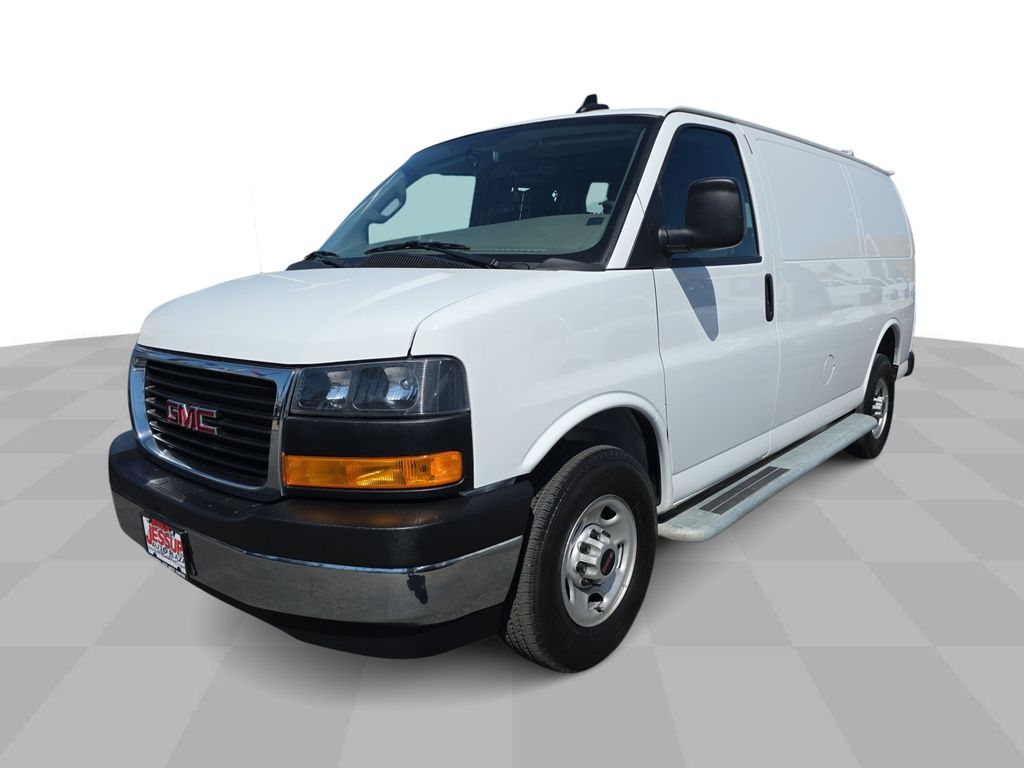
  • 2025 Gmc Savana 2500

    2025 Gmc Savana

    2500 · Cargo Van

    $32,973

    Mileage
    11,737 mi
    Listed by an outside seller, CAReference listing
    Last confirmed September 13, 2026 — contact seller to confirm availability
    View Original Listing
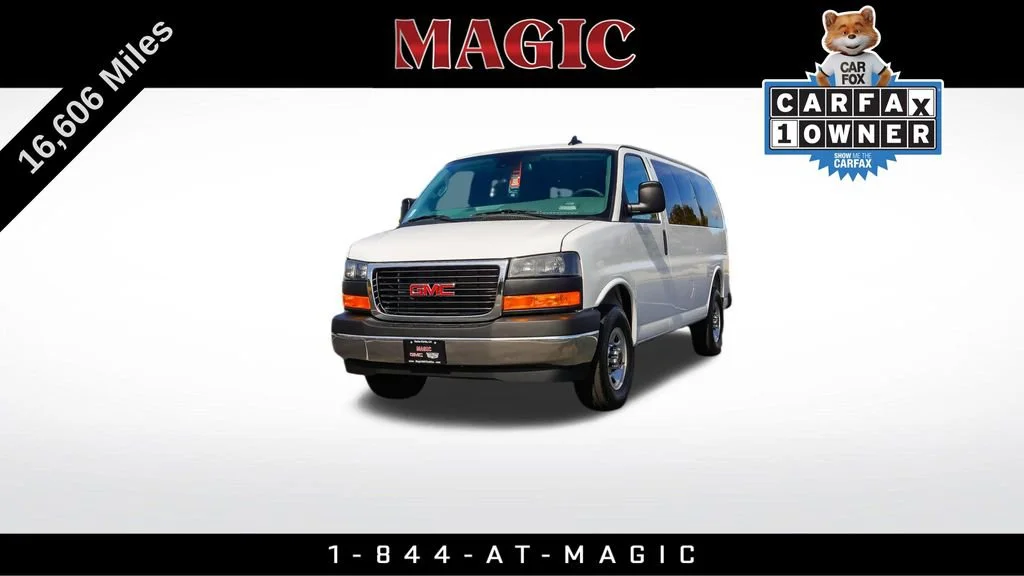
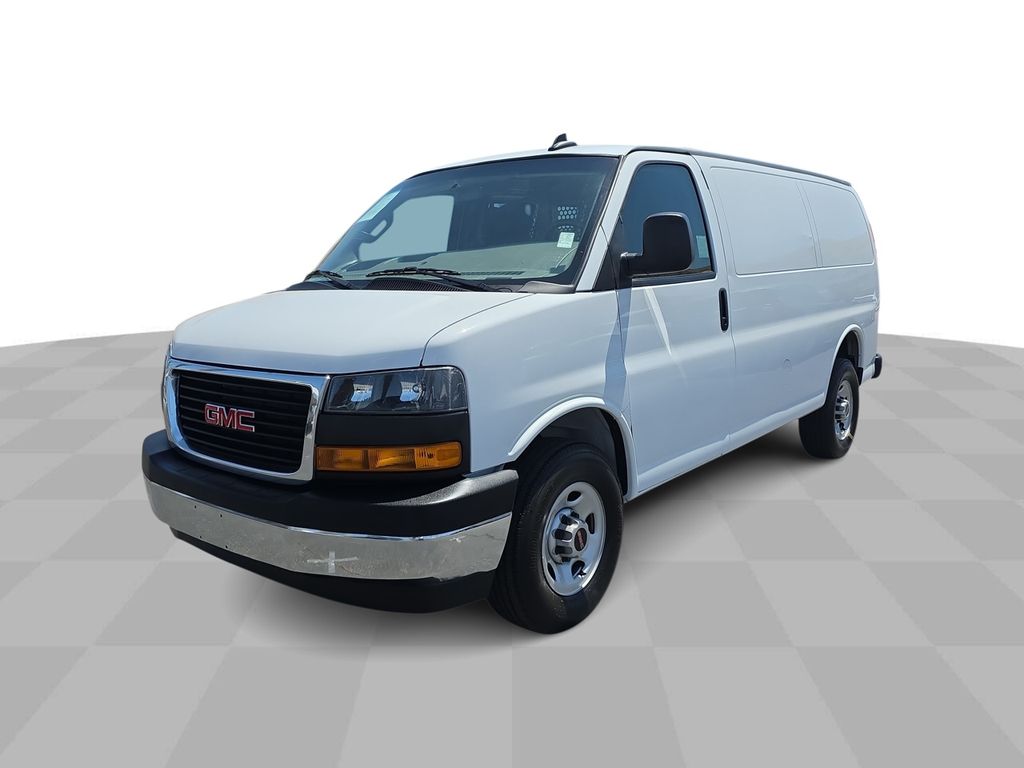
  • 2025 Gmc Savana LT Ext

    2025 Gmc Savana

    LT Ext · Cargo Van

    $43,077

    Mileage
    16,606 mi
    Listed by an outside seller, CAReference listing
    Last confirmed September 13, 2026 — contact seller to confirm availability
    View Original Listing
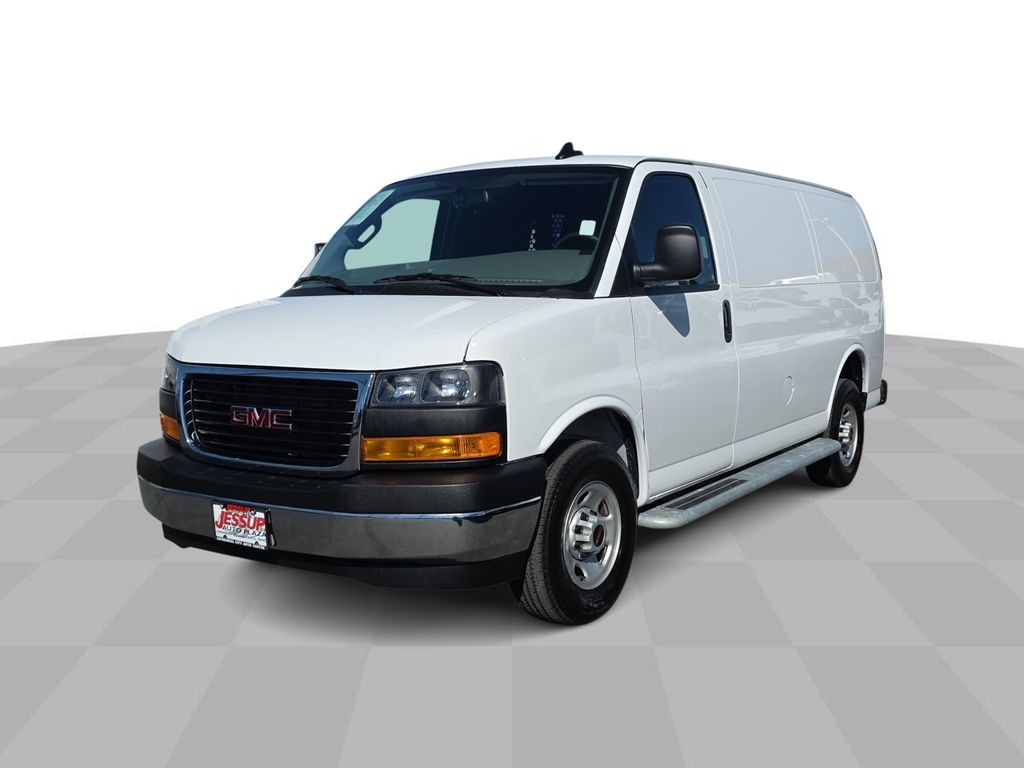
  • 2025 Gmc Savana LS 2500

    2025 Gmc Savana

    LS 2500 · Cargo Van

    $34,655

    Mileage
    10,142 mi
    Listed by an outside seller, CAReference listing
    Last confirmed September 13, 2026 — contact seller to confirm availability
    View Original Listing
  • 2025 Gmc Savana LS 2500

    2025 Gmc Savana

    LS 2500 · Cargo Van

    $32,388

    Mileage
    11,335 mi
    Listed by an outside seller, CAReference listing
    Last confirmed September 13, 2026 — contact seller to confirm availability
    View Original Listing
  • 2025 Gmc Savana LS 2500

    2025 Gmc Savana

    LS 2500 · Cargo Van

    $32,673

    Mileage
    12,043 mi
    Listed by an outside seller, CAReference listing
    Last confirmed September 13, 2026 — contact seller to confirm availability
    View Original Listing
  • 2025 Gmc Savana LT Ext

    2025 Gmc Savana

    LT Ext · Cargo Van

    $37,999

    Mileage
    14,671 mi
    Listed by an outside seller, CAReference listing
    Last confirmed September 13, 2026 — contact seller to confirm availability
    View Original Listing
  • 2024 Gmc Savana LT 3500

    2024 Gmc Savana

    LT 3500 · Cargo Van

    $30,990

    Mileage
    14,582 mi
    Listed by an outside seller, CAReference listing
    Last confirmed September 13, 2026 — contact seller to confirm availability
    View Original Listing
  • 2024 Gmc Savana EXT

    2024 Gmc Savana

    EXT · Cargo Van

    $85,900

    Mileage
    30,601 mi
    Listed by an outside seller, CAReference listing
    Last confirmed September 13, 2026 — contact seller to confirm availability
    View Original Listing
  • 2024 Gmc Savana LT 3500

    2024 Gmc Savana

    LT 3500 · Cargo Van

    $29,085

    Mileage
    14,463 mi
    Listed by an outside seller, CAReference listing
    Last confirmed September 13, 2026 — contact seller to confirm availability

    Stock #R13358

    View Original Listing
  • 2024 Gmc Savana LT 3500

    2024 Gmc Savana

    LT 3500 · Cargo Van

    $30,085

    Mileage
    12,521 mi
    Listed by an outside seller, CAReference listing
    Last confirmed September 13, 2026 — contact seller to confirm availability

    Stock #13275

    View Original Listing
  • 2024 Gmc Savana LT 3500

    2024 Gmc Savana

    LT 3500 · Cargo Van

    $31,585

    Mileage
    10,333 mi
    Listed by an outside seller, CAReference listing
    Last confirmed September 13, 2026 — contact seller to confirm availability

    Stock #R13304

    View Original Listing
  • 2023 Gmc Savana EXT

    2023 Gmc Savana

    EXT · Cargo Van

    $30,080

    Mileage
    63,505 mi
    Listed by an outside seller, CAReference listing
    Last confirmed September 13, 2026 — contact seller to confirm availability
    View Original Listing
  • 2023 Gmc Savana 2500

    2023 Gmc Savana

    2500 · Cargo Van

    $26,093

    Mileage
    65,601 mi
    Listed by an outside seller, CAReference listing
    Last confirmed September 13, 2026 — contact seller to confirm availability
    View Original Listing
  • 2023 Gmc Savana EXT

    2023 Gmc Savana

    EXT · Cargo Van

    $23,399

    Mileage
    79,684 mi
    Listed by an outside seller, CAReference listing
    Last confirmed September 13, 2026 — contact seller to confirm availability
    View Original Listing
  • 2022 Gmc Savana LT 3500

    2022 Gmc Savana

    LT 3500 · Cargo Van

    $20,999

    Mileage
    97,602 mi
    Listed by an outside seller, CAReference listing
    Last confirmed September 13, 2026 — contact seller to confirm availability
    View Original Listing
  • 2022 Gmc Savana LT 3500

    2022 Gmc Savana

    LT 3500 · Cargo Van

    $29,995

    Mileage
    22,051 mi
    Listed by an outside seller, CAReference listing
    Last confirmed September 13, 2026 — contact seller to confirm availability
    View Original Listing
  • 2022 Gmc Savana LT 3500

    2022 Gmc Savana

    LT 3500 · Cargo Van

    $25,888

    Mileage
    38,351 mi
    Listed by an outside seller, CAReference listing
    Last confirmed September 13, 2026 — contact seller to confirm availability
    View Original Listing
  • 2022 Gmc Savana LS EXT

    2022 Gmc Savana

    LS EXT · Cargo Van

    $34,835

    Mileage
    30,129 mi
    Listed by an outside seller, CAReference listing
    Last confirmed September 13, 2026 — contact seller to confirm availability
    View Original Listing
  • 2022 Gmc Savana LT 3500

    2022 Gmc Savana

    LT 3500 · Cargo Van

    $15,490

    Mileage
    120,712 mi
    Listed by an outside seller, CAReference listing
    Last confirmed September 13, 2026 — contact seller to confirm availability
    View Original Listing
  • 2021 Gmc Savana 3500

    2021 Gmc Savana

    3500 · Cargo Van

    $14,995

    Mileage
    142,310 mi
    Listed by an outside seller, CAReference listing
    Last confirmed September 13, 2026 — contact seller to confirm availability
    View Original Listing
  • 2020 Gmc Savana Work Van

    2020 Gmc Savana

    Work Van · Cargo Van

    $16,799

    Mileage
    126,187 mi
    Listed by an outside seller, CAReference listing
    Last confirmed September 13, 2026 — contact seller to confirm availability
    View Original Listing
  • 2020 Gmc Savana Work Van

    2020 Gmc Savana

    Work Van · Cargo Van

    $12,950

    Mileage
    145,555 mi
    Listed by an outside seller, CAReference listing
    Last confirmed September 13, 2026 — contact seller to confirm availability
    View Original Listing
  • 2019 Gmc Savana Work Van

    2019 Gmc Savana

    Work Van · Cargo Van

    $26,985

    Mileage
    64,822 mi
    Listed by an outside seller, CAReference listing
    Last confirmed September 13, 2026 — contact seller to confirm availability
    View Original Listing

Buying a work vehicle in Irvine

Almost everything about how Irvine was built shapes what a commercial vehicle has to do here. The city was master-planned from the outset, and much of its commercial property remains under single ownership with design standards applied consistently across it. That produces a working environment quite unlike an organically grown industrial city.

The Irvine Spectrum is the clearest expression of it — a business district spanning thousands of acres, home to more than three thousand companies employing upward of seventy-seven thousand people across something approaching thirty-eight million square feet. The tenant mix leans towards software, biomedical research, medical devices and corporate headquarters rather than manufacturing.

For trades, that changes the work itself. There is comparatively little heavy material handling and a great deal of technical servicing: laboratory and cleanroom environments, precision climate control, backup power, security systems and the constant fit-out churn of tenants moving between buildings.

Appearance standards are a genuine operating factor rather than a preference. Property managers across these campuses apply rules about where service vehicles may park, when they may be present, and what condition they should be in. A scruffy truck can cost a contract in a way it simply would not in an industrial district.

Residential work follows a similar pattern. Large portions of the city sit under homeowner associations with rules covering overnight parking of commercial vehicles. For an owner-operator living locally that can rule out keeping a larger truck at home and force paid storage, which is a real ongoing cost.

Property and yard costs are among the highest in the region, which pushes many operators to base themselves further inland and travel in. That is entirely workable given the freeway access, and it is one reason Orange County businesses routinely buy vehicles from Inland Empire dealers where inventory is deeper and cheaper to hold.

What Irvine businesses actually buy

Technical building services

Precision climate control, laboratory ventilation, cleanroom environments and backup power for research and medical premises. Well-organised vans carrying instrumentation and parts, where the value lies in completing a diagnosis rather than hauling material.

Commercial landscape maintenance

Extensive managed grounds across campuses and planned communities sustain year-round maintenance contracts. Crews run pickups with trailers for routine rounds, stepping up to a dump body where installation and replanting volumes justify it.

Tenant improvement and fit-out contracting

Constant churn as tenants move between buildings generates interior construction work. Crew cabs and cargo vans rather than heavy chassis, with the constraint being access and permitted working hours rather than payload.

Electrical and low-voltage systems

Data cabling, security, access control and audiovisual installation across corporate premises. High-roof vans configured as mobile workshops, with secure storage for tooling and test equipment that is expensive and portable.

Facilities and janitorial services

Large managed portfolios require supply logistics and equipment servicing on schedules that avoid business hours. Cargo vans and small box trucks, specified around parking structure height limits more than anything else.

Medical and laboratory equipment servicing

The biomedical and medical device cluster supports a specialist equipment maintenance sector. Vehicles need clean, secure and climate-stable carrying space for instruments, along with the presentation standards that come with visiting regulated environments where a technician is expected to look the part before they open a case.

Local conditions that change the decision

Parking structure height limits are the constraint that catches people out. Campus and retail parking here is frequently below the clearance a high-roof van or box truck needs, and a vehicle that cannot enter the structure means carrying equipment a long way on foot.

Property management rules govern access hours, permitted parking locations and vehicle presentation across much of the commercial estate. These are enforced, and they shape scheduling as firmly as traffic does.

Residential covenants restrict overnight commercial vehicle parking across large parts of the city. Check what applies where you live before buying, because paid storage changes the ownership arithmetic on a larger truck substantially.

The climate is moderate year-round with coastal influence, so the thermal demands that shape specification in the inland valleys barely apply. Cooling systems and batteries lead an easier life here than almost anywhere else in the region.

Irvine buying questions

What work vehicles are most common in Irvine?
High-roof cargo vans, comfortably ahead of pickups and well ahead of heavy chassis. The local economy is corporate, research and facilities work rather than construction or freight, so vehicles carry technicians and equipment rather than material.
Do parking structure heights really limit vehicle choice?
Very much so, and it is the most common practical mistake here. A great deal of campus and retail parking sits below the clearance a high-roof van needs. Measure the structures you must enter before specifying roof height, not afterwards.
Can I keep a work truck at home in Irvine?
It depends on your community, and many here restrict overnight commercial vehicle parking. Check the rules for your specific address before committing to a vehicle, because paid storage is a recurring cost that can change which truck makes sense.
Does vehicle appearance actually affect winning work here?
More than in most places. Property managers across the commercial estate apply standards covering service vehicle presentation, parking and access hours. A clean, properly signwritten vehicle is close to a requirement rather than a nicety.
Is it cheaper to base a fleet outside Irvine?
Frequently, yes. Yard and property costs here are among the highest in the region, and freeway access makes basing further inland and travelling in entirely practical. Plenty of businesses serving Irvine do exactly that.
Do I need four-wheel drive in Irvine?
No. The work is on paved campuses, in parking structures and on maintained roads. Four-wheel drive adds purchase cost, removes payload and burns fuel in exchange for capability that has essentially no application within the city.
Where should I buy a commercial vehicle serving Irvine?
Search well beyond the immediate area. Commercial dealers deliver across a wide radius, and Inland Empire inventory is deeper and often better priced for upfitted work trucks. Restricting the search locally usually means compromising on configuration.

Local guidance reviewed by the SoCal Work Trucks editorial team, last updated 2026-09-13.

Is the GMC Savana the right truck for your work?

Body-on-frame cargo, passenger and cutaway van.

Cutaway box and shuttle conversions on a familiar, easily-serviced platform.

Typical specifications

Ranges across common configurations of this model. The figures for any individual vehicle depend on its cab, wheelbase, drivetrain and upfit.

GVWR
8,600–12,300 lbs
Payload
3,000–6,200 lbs
Towing
6,000–10,000 lbs
Cargo volume
240–314 cu ft
Seating
2–15 seats

These are model ranges, not a specific truck. Payload in particular varies by well over 1,000 lbs across configurations. Always confirm against the door-jamb sticker and the manufacturer documentation for the exact vehicle before you buy or load it.

Configurations to choose between

  • 2500, 3500 and 4500 series
  • Cargo, Passenger and Cutaway

What buyers get wrong

Standard roof only, the same as the Express — there is no factory high-roof option, so crews cannot work upright inside. If your trade picks parts or assembles fittings in the van, compare a Transit, ProMaster or Sprinter before committing a fleet to this platform, because the roof height cannot be added later.

Body types it is built as

Who buys the GMC Savana

What else to consider

Vehicles commonly cross-shopped against the GMC Savana.

GMC Savana: the full picture

Understanding the Savana starts with accepting what it shares. It is built alongside the Chevrolet Express on the same architecture, and no amount of badge study will find meaningful mechanical daylight between them. Pretending otherwise wastes a buyer’s time. What differs is the sales and service network you deal with, the trim and equipment packaging, and sometimes the fleet pricing available on a given month.

That said, the Savana earns a page of its own because of how it is most often bought. A large share of these vehicles never leave the factory as vans at all. They leave as cutaways: a cab and a frame with nothing behind the seats, sold to a second-stage manufacturer who builds a box, a passenger cabin, a wheelchair-accessible body or an emergency conversion on top. That is a different purchase from buying a cargo van, with different questions.

The cutaway market is where the older architecture becomes a genuine strength rather than a compromise. Converters have decades of tooling, jigs and engineering built around this frame. A shuttle body or a mobility conversion designed for it can be produced quickly, cheaply and predictably in a way that a newer, less established platform cannot match. For a buyer who wants a specific conversion, availability of a proven body often outweighs any chassis comparison.

Passenger work is the second pillar. Hotels running airport shuttles, churches and community organisations moving groups, senior living facilities and paratransit operators across Riverside and San Bernardino counties buy these in volume. The passenger van seats up to fifteen, and the cutaway supports larger and more accessible bodies with proper entry steps and wheelchair lifts.

The 4500 series deserves particular attention because it is the one with no real equivalent in the newer van world. It takes the platform up to roughly 12,300 lbs GVWR with the payload to match, which puts a substantial box or a fully-equipped shuttle body within reach without moving to a medium-duty chassis and the different driving experience that brings.

What you give up is what every buyer of this platform gives up. There is no factory high roof, so a cargo Savana is a box you reach into rather than a workshop you stand up in. Fuel consumption trails the modern European-format vans. Driver assistance and cabin technology lag what a comparable Transit offers. For a cutaway destined to be cut apart anyway, most of that matters far less than it does on a cargo van.

How businesses actually use it

Cutaway box vans for local delivery

Parcel delivery · Furniture retail · Appliance delivery · Wholesale supply

A 12 to 16 ft box on a 3500 or 4500 cutaway, frequently with a liftgate. Sits below the medium-duty trucks in size and cost while carrying far more than a cargo van, and stays easy to drive for staff who have never handled anything larger than a car.

Typical configuration: 3500 or 4500 cutaway with a 14 ft box body and liftgate

Hotel, airport and campus shuttles

Hospitality · Higher education · Airport parking · Corporate campuses

Purpose-built shuttle bodies on a cutaway chassis, with proper entrance steps, overhead grab rails and luggage provision that a converted passenger van cannot match. Duty cycles are high-mileage and stop-start, so brake and transmission service history matters more than headline mileage.

Typical configuration: 3500 or 4500 cutaway with a 12 to 20 passenger shuttle body

Wheelchair-accessible and paratransit vehicles

Paratransit · Senior living · Medical transport · Disability services

Lowered floors, ramps or lifts and securement systems fitted by a specialist converter. The conversion carries most of the value and nearly all of the regulatory weight, so the converter’s credentials and the lift service record matter more than the chassis specification.

Typical configuration: Cutaway or passenger van with a certified accessibility conversion

Community, church and nonprofit group transport

Churches · Nonprofits · Youth programmes · Community services

The fifteen-passenger van is a fixture of community transport. Handling changes noticeably when fully loaded with people high in the body, so driver training is a genuine safety matter rather than a formality, and tyre condition and age deserve close attention on any used example.

Typical configuration: Passenger van, 12 to 15 seats

Mobile service and equipment vans

Locksmiths · Mobile repair · Security installation · Facilities

Cargo configuration with racking and bins. Works best where tools are retrieved from outside rather than worked on inside, because the standard roof rules out standing. The body-on-frame construction tolerates heavy interior fit-out and rough surfaces well.

Typical configuration: 2500 or 3500 cargo van with shelving and a bulkhead

Emergency and specialist conversions

Ambulance services · Fire departments · Utilities · Broadcast

Ambulance modules, command vehicles and specialist technical bodies are commonly built on this chassis because converters have established engineering for it. Electrical capacity and alternator specification are the critical chassis decisions on any of these.

Typical configuration: 3500 or 4500 cutaway with upgraded electrical provisions

How to choose the right configuration

Work out whether you are buying a van or a chassis, because that decision changes everything that follows. A cargo or passenger van arrives complete and you use it. A cutaway arrives as a cab and frame and needs a second-stage manufacturer to make it into a vehicle, which means another supplier, another lead time and another warranty relationship to understand.

If you are buying a conversion, choose the converter before you choose the chassis. Their engineering determines wheelbase, rear overhang, electrical capacity and often the exact series you need, and reputable converters will tell you plainly what they require. Ordering a chassis first and finding a body afterwards routinely produces a vehicle that will not take the conversion the buyer wanted.

Pick the series from the finished weight rather than the empty one. A shuttle body full of passengers and luggage, or a box full of freight, reaches the rating quickly. The 4500 exists precisely because the 3500 runs out for these applications, and buying the larger series is cheaper than discovering the smaller one was marginal.

On the Chevrolet question, be pragmatic. These are the same vehicle, so the honest tiebreakers are which dealer will look after you, which network your existing fleet already uses, and which one quotes better this quarter. Get both quotes on the identical specification and take the better deal without sentiment; there is no engineering reason to prefer either badge.

Accept the standard roof or buy something else entirely. There is no factory high-roof option, and aftermarket roof conversions add cost and complication. If your people need to stand inside the vehicle to work, a Transit or ProMaster answers that and this does not. If the van is a container, or is destined to become a box or a shuttle, the roof is irrelevant.

Finally, weigh running costs honestly against purchase price. This platform generally costs less to buy and to repair than the modern alternatives, and parts are everywhere. It also uses more fuel. Over a high-mileage shuttle duty cycle that fuel gap accumulates into real money, so run the arithmetic across your expected annual mileage rather than judging on the sticker alone.

Our assessment

An editorial evaluation written by the SoCal Work Trucks editorial team, last reviewed 2026-09-04. It is our own assessment, not customer reviews or ratings.

The right answer when the vehicle is going to be converted, and a reasonable one when it is a straightforward container on wheels. As a cutaway for box, shuttle and accessibility bodies it is genuinely hard to beat, because the converter ecosystem around it is mature and the 4500 series carries weight nothing else in the van class will. As a modern working cargo van it is outclassed, chiefly by the missing high roof.

What it does well

  • The strongest cutaway ecosystem available

    Converters have decades of engineering around this frame, so box, shuttle, mobility and emergency bodies are available quickly, predictably and at sensible cost.

  • The 4500 series carries genuine weight

    Roughly 12,300 lbs GVWR puts substantial box and shuttle bodies within reach without stepping up to a medium-duty chassis and everything that changes about driving it.

  • Purpose-built passenger and accessible options

    Fifteen-passenger vans and properly engineered shuttle and wheelchair bodies serve a market that cargo-derived vans handle poorly.

  • Cheap and easy to keep running

    Familiar mechanicals, universal parts availability and any competent shop able to work on it. For high-mileage shuttle fleets, predictable maintenance is worth a great deal.

  • Body-on-frame construction suits heavy fit-out

    A separate ladder frame tolerates heavy conversions and rough surfaces without the stress concentrations a unibody can develop.

Where it falls short

  • No factory high roof at all

    Nobody stands up inside one. For trades that work from within the vehicle this rules it out immediately, and no aftermarket fix is as good as a factory tall van.

  • Fuel consumption trails newer vans

    The older architecture and petrol engines cost more per mile than a modern European format van, and on high-mileage shuttle work that gap becomes a significant annual number.

  • Cabin and driver assistance are dated

    Technology and comfort lag rivals noticeably. On a shuttle driven all day by staff you want to retain, that is a real consideration rather than a nicety.

  • A cutaway is only half a purchase

    The conversion adds cost, lead time and a second warranty relationship. Buyers who budget for the chassis alone are consistently surprised by the finished figure.

  • Fifteen-passenger vans demand driver care

    Handling changes substantially when fully loaded with people seated high in the body. Driver training and tyre condition are safety matters, not administrative ones.

Ownership and used-buying notes

On any converted vehicle, investigate the conversion before the chassis. Ask who built it, whether they are still trading, and whether parts for the body, lift or seating remain available. An orphaned conversion from a defunct converter can be effectively unrepairable even when the van underneath is perfectly sound.

Shuttle and paratransit vehicles live hard lives of constant stops, full loads and long idling. Prioritise brake and transmission service history over odometer reading, because a stop-start duty cycle ages those components far faster than mileage alone suggests.

On any accessible vehicle, obtain the lift or ramp service record and test the equipment through a full cycle under load. Lift maintenance is both a safety requirement and an expensive thing to catch up on, and a neglected lift is frequently what takes an otherwise sound vehicle off the road.

Questions buyers ask

Is the GMC Savana just a rebadged Chevrolet Express?
Essentially yes — same platform, same mechanicals, built alongside each other. The real differences are the dealer network, trim and equipment packaging, and whatever fleet pricing is available at the time. Get both quoted on an identical specification and buy from whichever dealer will support you better.
What is a cutaway and why would I want one?
A cutaway is a cab and chassis with nothing behind the seats, sold so a second-stage manufacturer can build a box, shuttle cabin, wheelchair-accessible body or ambulance module on it. You want one when a standard van cannot do the job — more cargo volume, proper passenger seating, or accessibility equipment.
What is the difference between the 2500, 3500 and 4500?
Weight rating and capability, running from roughly 8,600 lbs up to about 12,300 lbs GVWR. The 2500 and 3500 cover cargo and passenger work; the 4500 is the heavy cutaway that carries substantial box and shuttle bodies. Choose by finished loaded weight, not by empty weight.
Can I get a high-roof Savana?
Not from the factory. The roof height is fixed and an average adult cannot stand inside. If standing room is essential, a Ford Transit or Ram ProMaster is the right vehicle. If you are buying a cutaway that will receive a taller box or shuttle body anyway, the van roof height is irrelevant.
How many passengers can a Savana carry?
The passenger van seats up to fifteen. Cutaway shuttle bodies commonly carry twelve to twenty depending on the conversion and whether wheelchair positions are included. Note that a full load of people plus luggage approaches the weight rating faster than most operators expect.
Are fifteen-passenger vans safe?
They require respect rather than avoidance. Loaded with people seated high in the body, the centre of gravity rises and handling changes noticeably, particularly in avoidance manoeuvres. Driver training, correct tyre pressures and attention to tyre age rather than just tread depth all matter more here than on an ordinary vehicle.
How long does a cutaway conversion take?
It varies widely by converter and body type, and specialist accessible or emergency conversions take considerably longer than a standard box. Ask for a written estimate and plan your service start date from that rather than from chassis availability, because the body is nearly always the longer wait.
What should I check on a used shuttle or paratransit Savana?
The conversion first: who built it, whether they still trade, and whether body and lift parts are still available. Then the lift or ramp through a full cycle under load, with its service record. Then brakes and transmission, because stop-start shuttle duty ages both far faster than the odometer implies.
Is the Savana economical to run?
Cheap to buy and repair, thirstier than modern rivals. Parts are universal and any competent shop can work on it, which keeps maintenance predictable and downtime short. The fuel gap against a newer van is real though, and on high-mileage shuttle work it accumulates into a number worth calculating before you decide.
Should I buy a Savana or a Ford Transit?
Transit if people need to stand inside, if fuel economy over high mileage matters, or if you want current driver assistance. Savana if you need a cutaway for a proven conversion, if you want the 4500 series weight rating, or if low purchase price and simple servicing suit your operation better.
Does GMC offer commercial fleet support?
Yes. GM operates commercial and fleet programmes covering incentives, upfit coordination and business purchase terms, and many GMC dealers have dedicated commercial staff. If you are buying more than one vehicle it is worth speaking to that department rather than the retail showroom, since the terms available differ.
What engine options does the Savana come with?
Petrol V8 power is the mainstay of the range, and it is the sensible choice for the majority of shuttle, delivery and cargo duty cycles because it costs less to buy, less to service, and is untroubled by the short-trip running that gives modern diesels trouble. Diesel has appeared in the range at various points and suits high-mileage regional work where the fuel saving accumulates. For a cutaway destined to become a shuttle doing constant short hops with long idle periods, petrol is very often the better business answer despite the higher fuel bill, simply because it avoids regeneration problems and the downtime those bring.
Can a Savana cutaway be specified for extra electrical capacity?
Yes, and on many conversions it is the single most important chassis decision. Ambulance modules, broadcast vehicles, mobility lifts and refrigerated boxes all draw substantial current, and a chassis ordered without upgraded alternator and wiring provisions will struggle once the body is fitted. Your converter should specify exactly what they need before the order is placed, because retrofitting electrical capacity afterwards is far more expensive and less satisfactory than ordering it correctly in the first place.
How well does a Savana hold its value?
Cargo and passenger vans depreciate conventionally, helped by steady demand and cheap running costs. Converted vehicles are more variable: a well-built shuttle or accessible body from a recognised converter holds value reasonably, while a conversion from a company that has since closed can be very hard to sell regardless of the chassis condition underneath it.

Official sources and further reading

Manufacturer and regulatory sources for specifications and requirements. We do not link to other vehicle-selling websites.

Shop GMC Savana by model year

Nearby cities

Find a GMC Savana near Irvine

Two quick steps. A fleet specialist will follow up.

  1. 1. Your needs
  2. 2. Your details