SoCal Work Trucks

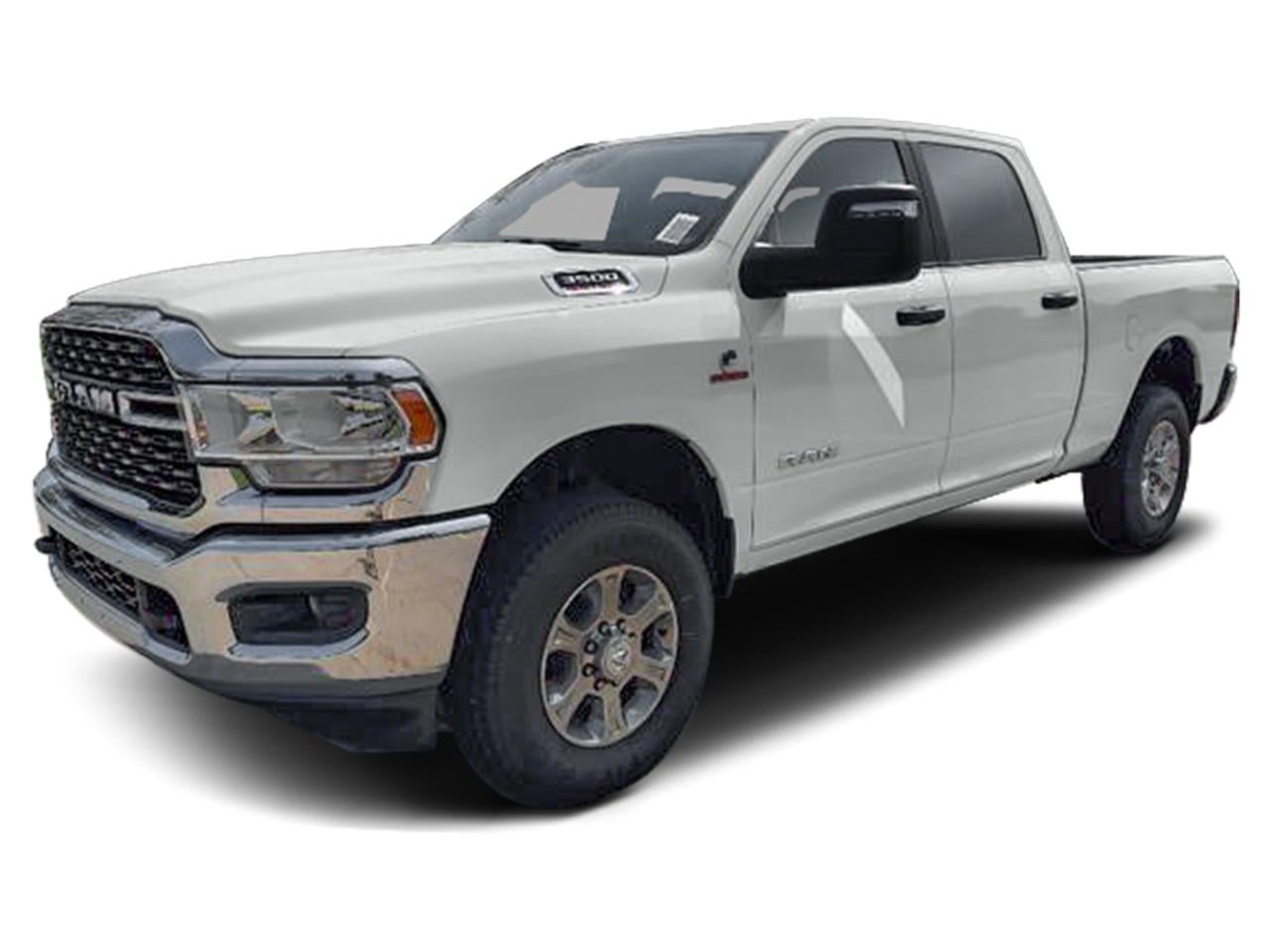
Ram 3500 near Los Angeles, California

One-ton pickup and chassis cab with high towing ratings. Below: who sells it near Los Angeles, what is available now, and how to choose the right configuration.

Buying a Ram 3500 near Los Angeles

No sellers in our network are currently listed close to Los Angeles. Commercial dealers routinely deliver across Southern California, so tell us what you need and we will look more widely.

4 Ram 3500 listings in Los Angeles County

Filters1
  • 2026 Ram 3500 Big Horn

    2026 Ram 3500

    Big Horn · Pickup

    $80,586

    Listed by an outside seller, CAReference listing
    Last confirmed September 13, 2026 — contact seller to confirm availability
    View Original Listing
  • 2026 Ram 3500 Tradesman

    2026 Ram 3500

    Tradesman · Pickup

    $76,096

    Listed by an outside seller, CAReference listing
    Last confirmed September 13, 2026 — contact seller to confirm availability
    View Original Listing
  • 2026 Ram 3500 Big Horn

    2026 Ram 3500

    Big Horn · Pickup

    $77,975

    Listed by an outside seller, CAReference listing
    Last confirmed September 13, 2026 — contact seller to confirm availability
    View Original Listing
  • 2024 Ram 3500 Big Horn

    2024 Ram 3500

    Big Horn · Pickup

    $56,900

    Mileage
    39,134 mi
    Listed by an outside seller, CAReference listing
    Last confirmed September 13, 2026 — contact seller to confirm availability
    View Original Listing

Buying a work vehicle in Los Angeles

The defining feature of working here is scale, and the way it forces specialisation. Crossing the city can take longer than reaching another county entirely, so contractors generally commit to a territory and build their vehicle around its particular constraints rather than trying to serve everywhere.

Access is the constraint that shapes purchases. Commercial loading zones, time-restricted parking, street sweeping schedules and active enforcement all bear on where a vehicle may legally stand and for how long. A truck that cannot be parked near the work is an expensive way to carry tools.

The downtown industrial districts run on their own clock. Wholesale markets dealing in produce, flowers, fashion and food operate to early-morning rhythms, with deliveries happening before dawn into streets that become impassable later. Businesses serving them organise the whole day around those windows.

Film and television production is woven through the city rather than concentrated in one place. Location filming happens on ordinary streets under permit, generating equipment transport, power supply and catering logistics work that arrives, operates and leaves within tightly controlled windows.

Housing spans a century of construction, from pre-war neighbourhoods with original narrow driveways to recent development with modern access. The trades serving them face completely different vehicle constraints depending on which part of the city they work, which is another reason specialisation wins.

Operating costs are among the highest anywhere in the region, and yard space near the centre is scarce and expensive. A great many businesses serving the city base themselves well outside it and accept the commute, which is also why vehicle buying commonly happens elsewhere entirely.

What Los Angeles businesses actually buy

Wholesale market and food distribution

Produce, flower and food markets operating on pre-dawn schedules into congested downtown streets. Refrigerated vans and moderate box trucks chosen for the ability to unload fast in a restricted window, because the streets become unworkable once the city wakes up.

Film and location production services

Equipment transport, generator supply and catering logistics for location filming under permit. Vehicles must arrive, operate and clear within controlled windows, and work lighting and electrical capacity matter because much of it happens overnight.

Building services and property maintenance

An enormous stock of commercial and multi-family property requiring constant mechanical, electrical and plumbing attention. Organised vans sized for the specific territory served, because what fits downtown differs from what fits a hillside neighbourhood.

Residential repair and renovation trades

Housing spanning a century sustains replacement work across every system. Vehicle length is dictated by neighbourhood rather than by trade, with older areas demanding something considerably shorter than newer development allows.

Commercial refrigeration and kitchen service

A restaurant and food service sector of extraordinary density generating urgent refrigeration work. High-roof vans fitted as workshops carrying enough inventory to finish on the first visit, because returning across the city costs most of a day.

Construction logistics and debris removal

Renovation and infill development generating material delivery and waste removal in constrained sites. Dump bodies and roll-off equipment, with access and permitted working hours governing scheduling more than the volume of material does.

Local conditions that change the decision

Congestion makes journey time almost unrelated to distance for most of the working day. Scheduling here is built from realistic travel windows and known patterns, and operators accept far fewer stops per shift than the mileage between them would suggest.

Parking and loading enforcement is active and consequential. Knowing where a commercial vehicle may legally stand, for how long, and on which days street sweeping applies is a genuine operational skill rather than a detail.

Street width and driveway access vary enormously across the city, from pre-war neighbourhoods with original short driveways to modern development with generous provision. The right vehicle length depends entirely on which territory you work.

Air quality rules bear on commercial fleets operating in this basin, with older diesel equipment historically receiving the most attention. Establish where a specific used vehicle stands before buying, because that obligation travels with the truck rather than the owner.

Los Angeles buying questions

What size work vehicle is practical in Los Angeles?
Smaller than most buyers expect, and it depends on your territory. Older neighbourhoods and downtown have narrow streets, short driveways and strict loading rules. A vehicle that parks legally close to the work beats one that carries more and has to stop three blocks away.
Why do contractors here specialise by area?
Because crossing the city can take longer than reaching another county. Committing to a territory lets you build routes that work and specify a vehicle around that area’s actual constraints, rather than compromising for conditions you rarely encounter.
How much does parking enforcement really matter?
Enough to influence which vehicle you buy. Loading zones, time restrictions, street sweeping schedules and active enforcement all determine where a commercial vehicle can legally stand. Repeated citations are a real operating cost, and avoiding them is a learned skill.
What is different about the downtown market districts?
The clock. Wholesale produce, flower and food markets run on pre-dawn schedules, with deliveries happening before the surrounding streets become impassable. Businesses serving them organise the entire working day around those early windows.
Do air quality rules affect buying a used diesel?
They can, and it is worth checking rather than assuming. Requirements in this basin apply to commercial fleets and have focused on older diesel equipment. Confirm where the specific vehicle stands before purchase, since the obligation follows the truck.
Is it practical to base a fleet inside the city?
Expensive, and increasingly uncommon for that reason. Yard space near the centre is scarce and costly, so many businesses serving Los Angeles keep premises well outside and commute in. Whether that works depends on how concentrated your customers are.
Where should I buy a commercial vehicle for work here?
Almost certainly outside the city. Inventory is dispersed, prices reflect local costs, and Inland Empire dealers hold deeper stocks of completed upfitted trucks with delivery across the distance. The search is usually better rewarded east than locally.

Local guidance reviewed by the SoCal Work Trucks editorial team, last updated 2026-09-13.

Is the Ram 3500 the right truck for your work?

One-ton pickup and chassis cab with high towing ratings.

Heavy gooseneck towing and one-ton dump bodies.

Typical specifications

Ranges across common configurations of this model. The figures for any individual vehicle depend on its cab, wheelbase, drivetrain and upfit.

GVWR
11,700–14,000 lbs
Payload
4,000–7,680 lbs
Towing
17,000–37,000 lbs
Seating
3–6 seats

These are model ranges, not a specific truck. Payload in particular varies by well over 1,000 lbs across configurations. Always confirm against the door-jamb sticker and the manufacturer documentation for the exact vehicle before you buy or load it.

Configurations to choose between

  • SRW and DRW
  • Pickup and Chassis Cab
  • Cummins diesel available

What buyers get wrong

Headline towing figures apply to one specific configuration. The truck in front of you is often rated well below the number in the advertising.

Body types it is built as

Who buys the Ram 3500

What else to consider

Vehicles commonly cross-shopped against the Ram 3500.

Ram 3500: the full picture

The Ram 3500 exists to carry and pull weight that defeats a three-quarter-ton truck. Its headline towing figures are among the highest offered on any pickup, and they are the reason the model gets attention. They are also the least useful thing about it for most buyers, because those numbers describe one narrow configuration that few businesses actually order.

The genuinely important choice is rear axle configuration. A single-rear-wheel truck is narrower, easier to park, cheaper on tyres and perfectly capable for most one-ton work. A dual-rear-wheel truck adds stability and rear axle capacity that heavy pin weights and permanent bodies require. Getting this wrong is the most consequential specification error at this weight, and it cannot be corrected afterwards.

Like the three-quarter-ton below it, the 3500 uses coil rear springs rather than leaf springs on the pickup, with auto-levelling air suspension available. On a truck routinely carrying heavy or variable loads, self-levelling is more than a comfort feature: it keeps headlight aim sane, maintains a consistent hitch height, and stops the truck from squatting under gooseneck pin weight.

The chassis cab is a separate proposition and a large part of the Southern California commercial picture. Fitted with a dump body it serves landscapers and hardscape contractors who have outgrown a trailer. Fitted with a flatbed it hauls material. These trucks are bought for what goes on the frame, and the buying process runs through an upfitter as much as through a dealer.

Payload figures deserve particular scepticism on this model. The published spread is unusually wide, and the top of it belongs to a stripped regular-cab dually with the petrol engine. Add a crew cab, four-wheel drive and the diesel and the real number falls a long way. Every one of those choices is one buyers commonly make, so the truck in the showroom rarely carries what the brochure implies.

Where the 3500 fits against the F-350 and Silverado 3500HD is largely a question of network and engine preference rather than capability, since all three are competitive. The Cummins is the differentiator people cite, and it is a fair one for high-hour towing, though it carries a purchase and service premium that only sustained work repays.

How businesses actually use it

Gooseneck towing of heavy equipment

Excavation · Grading · Equipment rental · Demolition

The application the high tow ratings exist for. Pin weight is what decides between single and dual rear wheels: a loaded gooseneck typically puts a fifth to a quarter of its weight on the hitch, and that lands squarely on the rear axle rather than being shared.

Typical configuration: Crew Cab, DRW, gooseneck hitch, Cummins diesel

One-ton dump bodies for landscape and hardscape

Landscaping · Hardscape · Pool construction · Tree service

The natural step up from towing a dump trailer. A dump body on the chassis removes the trailer entirely, which means easier site access, simpler parking and no trailer to store. Capacity is lower than a medium-duty truck but the vehicle remains manageable on residential streets.

Typical configuration: Regular Cab chassis cab, DRW, 9 to 10 ft dump body

Flatbed and material hauling

Building supply · Steel · Solar · Fencing

A flat deck loaded from either side by forklift, carrying dense material such as steel, block or paving. Payload rather than deck size is the binding constraint here, so specify the axle configuration around weight rather than around how much deck you want.

Typical configuration: Regular or Crew Cab chassis cab with a 9 to 12 ft flatbed

Heavy service and mechanic bodies

Mobile mechanics · Industrial maintenance · Agricultural service

A service body with a compressor, welder or light crane adds permanent weight high and behind the axle. At this weight the truck copes where a three-quarter-ton would be running at its limit, but confirm the finished figures rather than the bare chassis ones.

Typical configuration: Crew Cab chassis cab, DRW, service body with compressor

Livestock and agricultural transport

Ranching · Equine · Agriculture · Livestock haulage

Common across the inland valleys, where a one-ton pulling a gooseneck stock trailer is standard equipment. Four-wheel drive matters for unpaved access, and self-levelling suspension is genuinely useful when the trailer loads and unloads through the day.

Typical configuration: Crew Cab, four-wheel drive, gooseneck hitch

Recovery and vehicle transport

Vehicle recovery · Auto transport · Fleet logistics

Pulling a car trailer or running a light recovery body. Combined weight ratings become the governing constraint quickly, and they can affect who may legally drive the outfit, so confirm the regulatory position before specifying rather than after.

Typical configuration: Crew Cab, DRW, heavy-duty hitch and brake controller

How to choose the right configuration

Resolve the rear axle question before anything else, since the rest of the specification hangs off it. Measure or calculate what lands on the rear axle: gooseneck pin weight, the tongue weight of a loaded trailer, or the mounted weight of a permanent body plus what goes in it. If that number is comfortable on a single-wheel axle, take the narrower truck and enjoy the parking and the four tyres.

Read payload figures as a range that you sit somewhere inside, not a number you get. Crew cab, four-wheel drive and the diesel each subtract meaningfully, and most working trucks have all three. The door placard on the specific vehicle is the only figure that governs, and it is frequently well below the advertised maximum.

Decide between the pickup and the chassis cab according to what carries the load. If a body is being built, the chassis cab is the correct starting point and your upfitter should be consulted on cab-to-axle before the order goes in. If the bed is doing the work and you tow, the pickup is right.

Weigh the Cummins against your actual towing hours as a business calculation. High mileage and sustained heavy towing repay the premium in fuel, torque and resale. Local work with occasional heavy days does not, and the petrol engine both costs less and avoids the after-treatment problems that short trips create.

Consider the auto-levelling air suspension seriously if loads vary through the day. Keeping the truck level under changing pin weight improves headlight aim, hitch geometry and brake balance, all of which matter more when heavy than they do empty. It is another system to maintain, which is the honest cost of it.

Finally, ask whether a 4500 or a medium-duty chassis is the better answer. If you are specifying a 3500 at its ceiling and expect the work to grow, stepping up buys margin that shows in brake life, tyre wear and resale. Running any truck permanently at its rating is the most reliable way to spend more than you saved.

Our assessment

An editorial evaluation written by the SoCal Work Trucks editorial team, last reviewed 2026-09-04. It is our own assessment, not customer reviews or ratings.

A genuinely capable one-ton whose headline numbers describe a truck almost nobody orders. Specified honestly around measured axle loads it is excellent, and the chassis cab is a strong basis for dump and flatbed work in Southern California. Specified around brochure towing figures it disappoints, because the crew cab diesel four-wheel-drive truck most buyers actually want carries far less than the maximum suggests.

What it does well

  • Class-leading towing on the right specification

    Gooseneck ratings approaching 37,000 lbs on specific configurations put it at the top of the pickup class, which matters to equipment haulers and livestock operators.

  • Self-levelling suspension suits variable loads

    Auto-levelling air suspension keeps hitch height, headlight aim and brake balance consistent as pin weight changes through a working day, which is a safety benefit as much as a comfort one.

  • Chassis cab is a strong upfit platform

    Widely built on by Southern California body builders, so dump, flatbed and service configurations are well understood and repeat orders are predictable.

  • Cummins durability for high-hour towing

    A well-proven engine with strong used demand. On a truck genuinely towing heavy most weeks, it repays its premium over the life of the vehicle.

  • Real choice of rear axle configuration

    Unlike the F-450 above it, the 3500 offers both single and dual rear wheels, so you can match the truck to the work rather than accepting width you do not need.

Where it falls short

  • Advertised payload rarely matches the truck you want

    The maximum belongs to a stripped regular-cab petrol dually. Crew cab, four-wheel drive and diesel each subtract substantially, and most buyers specify all three.

  • Towing figures apply to one configuration

    Cab, axle ratio, hitch type and drivetrain all move the number. Treat the headline as a ceiling and read the door placard, because the gap can be many thousands of pounds.

  • Dually width costs you daily

    If you choose dual rear wheels, residential streets, older parking structures and tight commercial access all become harder every day in exchange for capability used intermittently.

  • Diesel premium and thinner inland service

    The Cummins costs more to buy and service, and specialist diesel provision is less dense in parts of the Inland Empire, which lengthens downtime when something goes wrong.

  • Chassis cab purchase depends on the upfitter

    Body build times of six to sixteen weeks are normal, so the chassis is only half the wait. A completed used truck is often the faster route to working.

Ownership and used-buying notes

Weigh a used truck as it stands, ideally loaded the way you intend to run it. At one-ton and above the gap between what a truck is rated to carry and what it is actually carrying is where mechanical trouble starts, and a weighbridge ticket costs almost nothing next to a rear axle rebuild.

On a dually, inspect the inner rear tyres specifically and compare wear across the axle. They are the ones owners neglect because they are awkward to reach, and mismatched wear usually indicates either sustained overloading or an alignment problem that will keep costing you.

On a chassis cab, the body is where most of the value and most of the risk sits. Check dump body hinges, rams and the hydraulic pump; look for frame drilling or welding from the original upfit; and ask who built the body, because a recognised Southern California builder such as Scelzi, Harbor or Knapheide is far easier to value and to sell than an unbranded one-off.

Questions buyers ask

Should I get single or dual rear wheels?
Calculate what lands on the rear axle. Gooseneck pin weight runs roughly a fifth to a quarter of the loaded trailer, and a permanent body adds its own. If that sits comfortably within a single-wheel axle rating, take the narrower truck: it parks more easily and costs less in tyres. If it does not, the dually is not optional.
Why is the advertised payload so much higher than the truck I was quoted?
Because the maximum belongs to a stripped regular-cab dually with the petrol engine. Adding a crew cab, four-wheel drive and the diesel each reduce payload, and most working trucks have all three. The door placard on the specific vehicle is the number that governs.
Can a Ram 3500 really tow 37,000 lbs?
One particular configuration can, on a gooseneck, with the right axle ratio and drivetrain. Most trucks on a forecourt are rated considerably lower. Treat the headline as a ceiling for one specification and check the towing guide and door placard for the vehicle you are buying.
Pickup or chassis cab for a dump body?
Chassis cab. It is designed for a body to be mounted on the bare frame, and your upfitter will specify cab-to-axle to suit the body length. Fitting a dump insert into a pickup bed is possible but carries less and wastes the payload the bed itself consumes.
Is the Cummins worth it in a 3500?
If you tow heavy most weeks or cover high mileage, yes — it repays in torque, fuel and resale. If you tow occasionally and work locally, the petrol engine costs less to buy and service and avoids the after-treatment issues short trips cause. Decide on towing hours, not on reputation.
How does the 3500 compare with an F-350 or Silverado 3500HD?
Capability is broadly comparable and the honest differentiators are the engine, the ride, and your dealer relationship. Ram offers coil rear springs and available air suspension; Ford has the deepest commercial network in Southern California. Cross-shop all three on the specification you actually need.
Do I need a special licence for a Ram 3500?
For the truck alone, generally not. Towing changes it: combined ratings at this weight can cross thresholds that affect licensing in California. Confirm your specific truck and trailer combination with the California DMV, because the answer determines who on your team can drive it.
Is the air suspension worth having on a working truck?
If loads vary through the day, yes. Keeping the truck level under changing pin weight preserves headlight aim, hitch geometry and brake balance, which matter more loaded than empty. The cost is one more system to maintain, and it is worth exercising fully when inspecting a used truck.
What should I check on a used Ram 3500 chassis cab?
The body first, since that is where the value is: dump hinges, rams and hydraulic pump, or flatbed deck condition. Then the frame for drilling or welding from the upfit. Then the rear tyres, inner ones included, for even wear. Ask who built the body, because a recognised builder is much easier to resell.
How long does a dump body take to build?
Typically six to sixteen weeks after the chassis arrives, depending on the upfitter and their backlog. If you need the truck working sooner, a completed used unit is usually faster and has the advantage that you can weigh the finished vehicle rather than estimating what it will come out at.
Is a 3500 enough, or should I look at a 4500?
If you are specifying near the top of the 3500 range, look at the 4500. It costs somewhat more and carries considerably more, and the margin shows in brake life, tyre wear and resale. The 3500 makes most sense when it comfortably covers the work rather than just barely covering it.
What does a dually cost to run compared with a single-wheel truck?
The obvious difference is six tyres instead of four, and at one-ton sizes those are not cheap items, so a full replacement set is a noticeably larger bill arriving on the same schedule. Beyond tyres the gap is smaller than people expect: fuel use rises slightly with the extra weight and rolling resistance, and insurance is often marginally higher. The cost that rarely gets counted is time. A dually is slower to park, harder to place on residential streets and awkward in older commercial structures, and if that describes most of your week you are paying for capability in daily minutes as well as in money.
How hard is a one-ton dump truck on brakes in hilly terrain?
Harder than most buyers plan for, and Southern California has plenty of sustained descent between inland job sites and the coastal basin. A loaded dump body descending a long grade puts real heat into the brakes, and repeated over months that shows up as shortened pad and rotor life rather than as a dramatic failure. An exhaust brake, where available on the diesel, makes a genuine difference by taking load off the service brakes. When buying used, ask about brake service intervals rather than just current pad thickness, because the interval tells you how the truck was actually driven.
How well does a Ram 3500 hold its value?
Diesel trucks hold value strongly, helped by steady demand for one-ton towing capability. Chassis cabs with quality bodies from recognised Southern California builders sell particularly well. Documented service history matters most on the diesel, where buyers are paying for the engine and want evidence it was maintained.

Official sources and further reading

Manufacturer and regulatory sources for specifications and requirements. We do not link to other vehicle-selling websites.

Shop Ram 3500 by model year

Nearby cities

Find a Ram 3500 near Los Angeles

Two quick steps. A fleet specialist will follow up.

  1. 1. Your needs
  2. 2. Your details