SoCal Work Trucks

GMC Savana near Long Beach, California

Body-on-frame cargo, passenger and cutaway van. Below: who sells it near Long Beach, what is available now, and how to choose the right configuration.

Buying a GMC Savana near Long Beach

No sellers in our network are currently listed close to Long Beach. Commercial dealers routinely deliver across Southern California, so tell us what you need and we will look more widely.

6 GMC Savana listings in Los Angeles County

Filters1
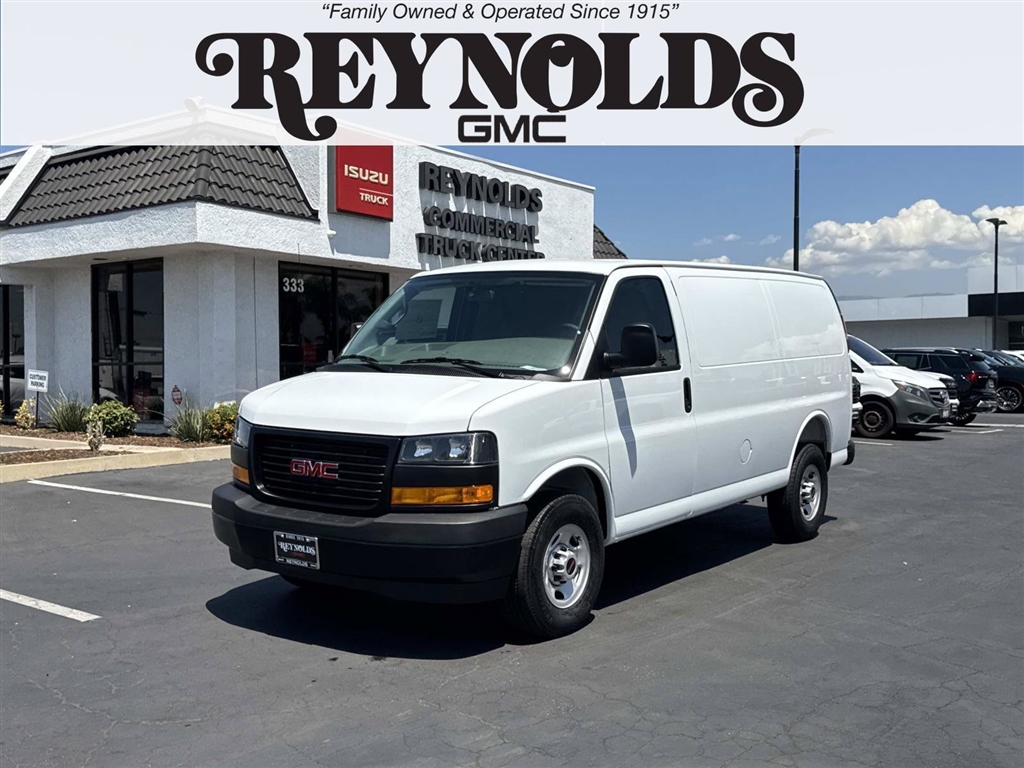
  • 2026 Gmc Savana 2500
    New

    2026 Gmc Savana

    2500 · Pickup

    $64,450

    Mileage
    0 mi
    Listed by an outside seller, CAReference listing
    Last confirmed September 13, 2026 — contact seller to confirm availability

    Stock #260183T

    View Original Listing
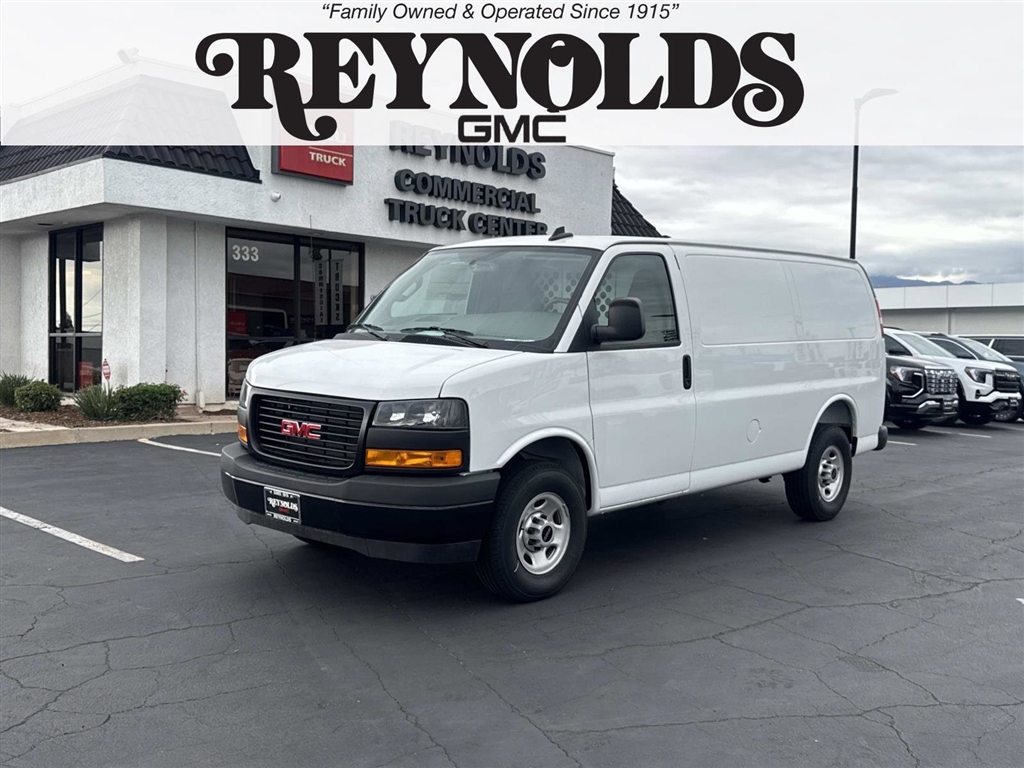
  • 2026 Gmc Savana LS 2500
    New

    2026 Gmc Savana

    LS 2500 · Cargo Van

    $46,798

    Mileage
    5 mi
    Listed by an outside seller, CAReference listing
    Last confirmed September 13, 2026 — contact seller to confirm availability

    Stock #260494

    View Original Listing
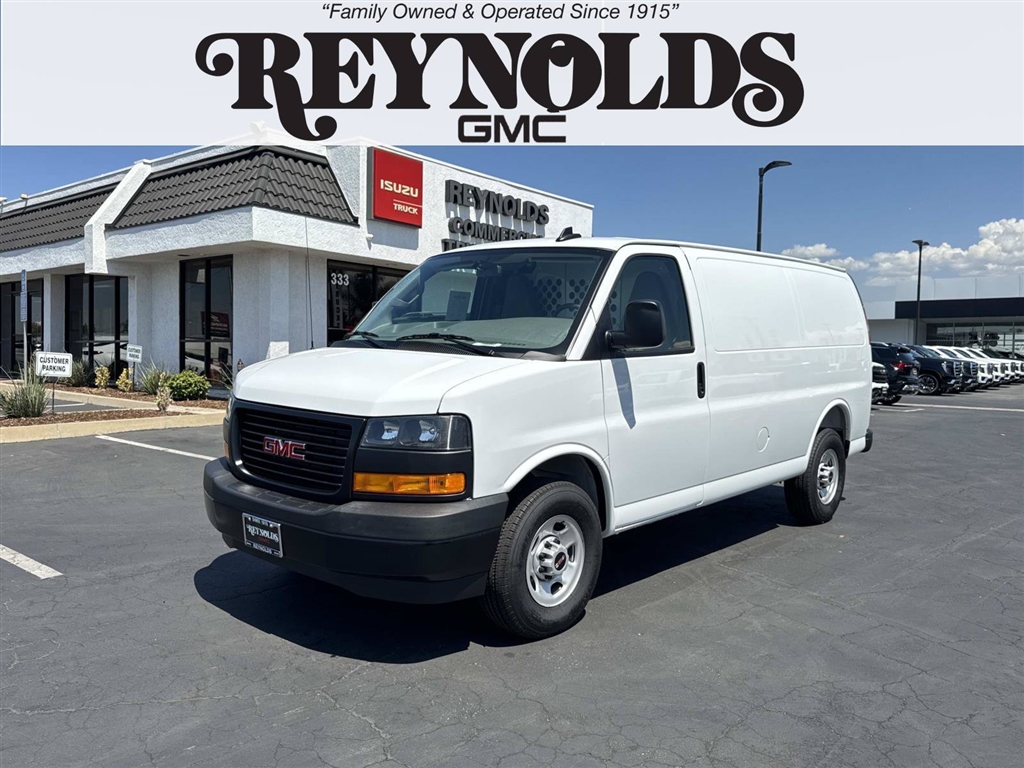
  • 2026 Gmc Savana LT
    New

    2026 Gmc Savana

    LT · Cargo Van

    $54,985

    Listed by an outside seller, CAReference listing
    Last confirmed September 13, 2026 — contact seller to confirm availability
    View Original Listing
  • 2026 Gmc Savana Ext
    New

    2026 Gmc Savana

    Ext · Cargo Van

    $51,515

    Listed by an outside seller, CAReference listing
    Last confirmed September 13, 2026 — contact seller to confirm availability
    View Original Listing
  • 2025 Gmc Savana LS 2500
    New

    2025 Gmc Savana

    LS 2500 · Cargo Van

    $45,764

    Mileage
    198 mi
    Listed by an outside seller, CAReference listing
    Last confirmed September 13, 2026 — contact seller to confirm availability

    Stock #250617

    View Original Listing
  • 2025 Gmc Savana LS 2500
    New

    2025 Gmc Savana

    LS 2500 · Cargo Van

    $45,764

    Mileage
    35 mi
    Listed by an outside seller, CAReference listing
    Last confirmed September 13, 2026 — contact seller to confirm availability

    Stock #250619

    View Original Listing

Buying a work vehicle in Long Beach

No other city in this region has its commercial vehicle market defined so completely by a single piece of infrastructure. The San Pedro Bay port complex that Long Beach shares with Los Angeles is the dominant container gateway on the West Coast, handling roughly a third of the containerised international trade arriving in the country.

Drayage is the trucking discipline that follows: short-haul movement of containers between marine terminals and the warehouses, transload yards and rail ramps inland. It is a distinct business from long-haul freight, with its own equipment, its own appointment systems and its own persistent frustrations around terminal congestion and chassis availability.

Environmental regulation is stricter for port-serving vehicles than for commercial trucks generally, and it has been tightening for years. Anyone buying a used truck intended for drayage work needs to confirm its eligibility for port access before purchase rather than after, because the requirement attaches to the vehicle.

Away from the waterfront the city is substantial in its own right, with a downtown, a convention and events sector, a university and a large body of older, dense housing. That supports the full range of ordinary service trades, working in conditions closer to Santa Ana than to the open industrial yards nearby.

Marine services form a genuine niche. Vessel maintenance, marina operations and the businesses supporting recreational and commercial watercraft all need towing capability and the ability to work around harbour access, which is a specification most inland operators never consider.

Salt air reaches well inland from the waterfront and affects vehicles accordingly. Corrosion on frames, brake components and electrical connections progresses faster here than anywhere in the inland valleys, and the maintenance routine has to account for it.

What Long Beach businesses actually buy

Drayage and container haulage

Moving containers between terminals, yards and rail ramps on appointment systems that reward punctuality and punish delay. Equipment must meet port access requirements, which are stricter than general commercial standards and change over time.

Terminal and yard equipment servicing

Maintaining handling equipment, chassis, reefer plugs and yard machinery across marine and logistics premises. Heavy service bodies with substantial power and welding capability, responding to failures that stop container movement rather than inconvenience one user.

Refrigerated container and cold chain support

Perishable cargo arriving in refrigerated containers needs monitoring and rapid repair. Vans and service bodies carrying refrigeration parts and diagnostics, where a failure threatens an entire consignment rather than delaying a delivery.

Marine and harbour services

Vessel maintenance, marina operations and watercraft support around the harbour. Pickups specified for towing and for manoeuvring trailers in confined quayside areas, with corrosion protection mattering more than in almost any other local application.

Downtown hospitality and events supply

A convention centre, hotels and a dense restaurant sector generating deliveries into premises with shared loading and strict windows. Moderate box trucks and refrigerated vans chosen for placement rather than capacity.

Residential repair trades

Older dense housing across much of the city sustains plumbing, electrical and roofing work of the replacement kind. Shorter organised vans that reach properties on narrow streets where kerbside parking is heavily used throughout the day.

Local conditions that change the decision

Terminal congestion and appointment windows govern the working day for anything port-related. Turn times are unpredictable, queues form without warning, and schedules built on distance rather than on realistic terminal experience fail quickly.

Salt air corrosion is aggressive and reaches well beyond the immediate waterfront. Underbody washing, inspection of brake lines and suspension mounts and attention to electrical connections all need to happen more often than a standard maintenance schedule assumes.

Older residential and downtown streets are narrow with heavy kerbside parking, which penalises long wheelbases on service work. The contrast with the open port and industrial areas within the same city is stark, and it catches out operators serving both.

Emissions requirements applying to port-serving vehicles are stricter than general commercial standards. Confirm a used truck’s eligibility before buying if drayage is any part of the intended work, because the obligation follows the vehicle rather than the operator.

Long Beach buying questions

What is drayage and why does it matter here?
It is the short-haul movement of containers between marine terminals and nearby warehouses, transload yards or rail ramps. Given the port complex handles roughly a third of the country’s containerised imports, it is the single largest commercial vehicle activity in the city.
Can I use any used truck for port work?
No, and this is the most important thing to check before buying. Port-serving vehicles face stricter emissions requirements than commercial trucks generally, and those requirements have tightened over time. Confirm a specific vehicle’s eligibility before purchase — the obligation attaches to the truck.
How bad is salt air for vehicles here?
Significant, and it reaches well inland from the waterfront. Frames, brake lines, suspension mounts and electrical connectors all corrode faster than in the inland valleys. Underbody washing and more frequent inspection are genuine requirements rather than precautions.
What should I check on a used truck that has worked near the port?
Get underneath it and look at structural corrosion rather than surface rust on panels. Frame rails, brake lines and suspension mounting points are where coastal exposure shows first, and those are the findings that matter rather than cosmetic ones.
Do terminal appointments really affect scheduling that much?
Yes. Turn times are unpredictable and queues form without warning, so a schedule built on distance between stops rather than on realistic terminal experience will fail. Operators here plan around the terminals rather than around mileage.
What vehicles suit the non-port side of the city?
Shorter organised vans, much as in any older dense city. Downtown and the established residential neighbourhoods have narrow streets and heavy kerbside parking, so a vehicle sized for open industrial yards is awkward there.
Is Long Beach a good base for a regional business?
It depends on your customers. For port-related work the location is the entire point. For general regional service work, operating costs and congestion make inland bases more practical, and many businesses serving the city do exactly that.

Local guidance reviewed by the SoCal Work Trucks editorial team, last updated 2026-09-13.

Is the GMC Savana the right truck for your work?

Body-on-frame cargo, passenger and cutaway van.

Cutaway box and shuttle conversions on a familiar, easily-serviced platform.

Typical specifications

Ranges across common configurations of this model. The figures for any individual vehicle depend on its cab, wheelbase, drivetrain and upfit.

GVWR
8,600–12,300 lbs
Payload
3,000–6,200 lbs
Towing
6,000–10,000 lbs
Cargo volume
240–314 cu ft
Seating
2–15 seats

These are model ranges, not a specific truck. Payload in particular varies by well over 1,000 lbs across configurations. Always confirm against the door-jamb sticker and the manufacturer documentation for the exact vehicle before you buy or load it.

Configurations to choose between

  • 2500, 3500 and 4500 series
  • Cargo, Passenger and Cutaway

What buyers get wrong

Standard roof only, the same as the Express — there is no factory high-roof option, so crews cannot work upright inside. If your trade picks parts or assembles fittings in the van, compare a Transit, ProMaster or Sprinter before committing a fleet to this platform, because the roof height cannot be added later.

Body types it is built as

Who buys the GMC Savana

What else to consider

Vehicles commonly cross-shopped against the GMC Savana.

GMC Savana: the full picture

Understanding the Savana starts with accepting what it shares. It is built alongside the Chevrolet Express on the same architecture, and no amount of badge study will find meaningful mechanical daylight between them. Pretending otherwise wastes a buyer’s time. What differs is the sales and service network you deal with, the trim and equipment packaging, and sometimes the fleet pricing available on a given month.

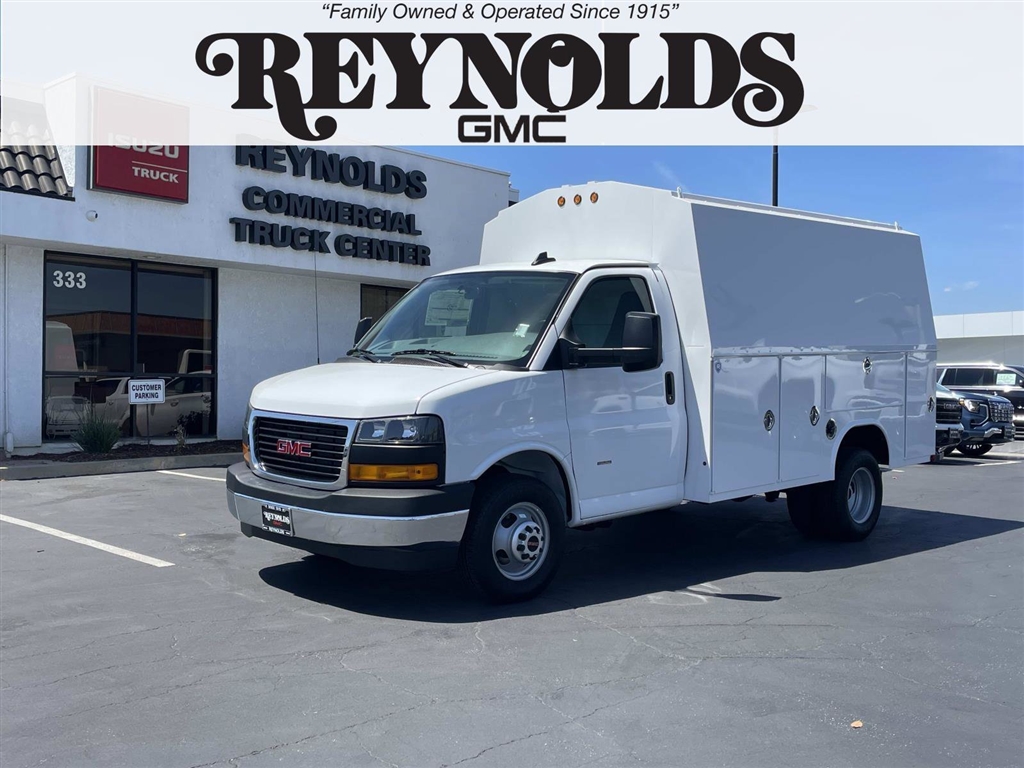
That said, the Savana earns a page of its own because of how it is most often bought. A large share of these vehicles never leave the factory as vans at all. They leave as cutaways: a cab and a frame with nothing behind the seats, sold to a second-stage manufacturer who builds a box, a passenger cabin, a wheelchair-accessible body or an emergency conversion on top. That is a different purchase from buying a cargo van, with different questions.

The cutaway market is where the older architecture becomes a genuine strength rather than a compromise. Converters have decades of tooling, jigs and engineering built around this frame. A shuttle body or a mobility conversion designed for it can be produced quickly, cheaply and predictably in a way that a newer, less established platform cannot match. For a buyer who wants a specific conversion, availability of a proven body often outweighs any chassis comparison.

Passenger work is the second pillar. Hotels running airport shuttles, churches and community organisations moving groups, senior living facilities and paratransit operators across Riverside and San Bernardino counties buy these in volume. The passenger van seats up to fifteen, and the cutaway supports larger and more accessible bodies with proper entry steps and wheelchair lifts.

The 4500 series deserves particular attention because it is the one with no real equivalent in the newer van world. It takes the platform up to roughly 12,300 lbs GVWR with the payload to match, which puts a substantial box or a fully-equipped shuttle body within reach without moving to a medium-duty chassis and the different driving experience that brings.

What you give up is what every buyer of this platform gives up. There is no factory high roof, so a cargo Savana is a box you reach into rather than a workshop you stand up in. Fuel consumption trails the modern European-format vans. Driver assistance and cabin technology lag what a comparable Transit offers. For a cutaway destined to be cut apart anyway, most of that matters far less than it does on a cargo van.

How businesses actually use it

Cutaway box vans for local delivery

Parcel delivery · Furniture retail · Appliance delivery · Wholesale supply

A 12 to 16 ft box on a 3500 or 4500 cutaway, frequently with a liftgate. Sits below the medium-duty trucks in size and cost while carrying far more than a cargo van, and stays easy to drive for staff who have never handled anything larger than a car.

Typical configuration: 3500 or 4500 cutaway with a 14 ft box body and liftgate

Hotel, airport and campus shuttles

Hospitality · Higher education · Airport parking · Corporate campuses

Purpose-built shuttle bodies on a cutaway chassis, with proper entrance steps, overhead grab rails and luggage provision that a converted passenger van cannot match. Duty cycles are high-mileage and stop-start, so brake and transmission service history matters more than headline mileage.

Typical configuration: 3500 or 4500 cutaway with a 12 to 20 passenger shuttle body

Wheelchair-accessible and paratransit vehicles

Paratransit · Senior living · Medical transport · Disability services

Lowered floors, ramps or lifts and securement systems fitted by a specialist converter. The conversion carries most of the value and nearly all of the regulatory weight, so the converter’s credentials and the lift service record matter more than the chassis specification.

Typical configuration: Cutaway or passenger van with a certified accessibility conversion

Community, church and nonprofit group transport

Churches · Nonprofits · Youth programmes · Community services

The fifteen-passenger van is a fixture of community transport. Handling changes noticeably when fully loaded with people high in the body, so driver training is a genuine safety matter rather than a formality, and tyre condition and age deserve close attention on any used example.

Typical configuration: Passenger van, 12 to 15 seats

Mobile service and equipment vans

Locksmiths · Mobile repair · Security installation · Facilities

Cargo configuration with racking and bins. Works best where tools are retrieved from outside rather than worked on inside, because the standard roof rules out standing. The body-on-frame construction tolerates heavy interior fit-out and rough surfaces well.

Typical configuration: 2500 or 3500 cargo van with shelving and a bulkhead

Emergency and specialist conversions

Ambulance services · Fire departments · Utilities · Broadcast

Ambulance modules, command vehicles and specialist technical bodies are commonly built on this chassis because converters have established engineering for it. Electrical capacity and alternator specification are the critical chassis decisions on any of these.

Typical configuration: 3500 or 4500 cutaway with upgraded electrical provisions

How to choose the right configuration

Work out whether you are buying a van or a chassis, because that decision changes everything that follows. A cargo or passenger van arrives complete and you use it. A cutaway arrives as a cab and frame and needs a second-stage manufacturer to make it into a vehicle, which means another supplier, another lead time and another warranty relationship to understand.

If you are buying a conversion, choose the converter before you choose the chassis. Their engineering determines wheelbase, rear overhang, electrical capacity and often the exact series you need, and reputable converters will tell you plainly what they require. Ordering a chassis first and finding a body afterwards routinely produces a vehicle that will not take the conversion the buyer wanted.

Pick the series from the finished weight rather than the empty one. A shuttle body full of passengers and luggage, or a box full of freight, reaches the rating quickly. The 4500 exists precisely because the 3500 runs out for these applications, and buying the larger series is cheaper than discovering the smaller one was marginal.

On the Chevrolet question, be pragmatic. These are the same vehicle, so the honest tiebreakers are which dealer will look after you, which network your existing fleet already uses, and which one quotes better this quarter. Get both quotes on the identical specification and take the better deal without sentiment; there is no engineering reason to prefer either badge.

Accept the standard roof or buy something else entirely. There is no factory high-roof option, and aftermarket roof conversions add cost and complication. If your people need to stand inside the vehicle to work, a Transit or ProMaster answers that and this does not. If the van is a container, or is destined to become a box or a shuttle, the roof is irrelevant.

Finally, weigh running costs honestly against purchase price. This platform generally costs less to buy and to repair than the modern alternatives, and parts are everywhere. It also uses more fuel. Over a high-mileage shuttle duty cycle that fuel gap accumulates into real money, so run the arithmetic across your expected annual mileage rather than judging on the sticker alone.

Our assessment

An editorial evaluation written by the SoCal Work Trucks editorial team, last reviewed 2026-09-04. It is our own assessment, not customer reviews or ratings.

The right answer when the vehicle is going to be converted, and a reasonable one when it is a straightforward container on wheels. As a cutaway for box, shuttle and accessibility bodies it is genuinely hard to beat, because the converter ecosystem around it is mature and the 4500 series carries weight nothing else in the van class will. As a modern working cargo van it is outclassed, chiefly by the missing high roof.

What it does well

  • The strongest cutaway ecosystem available

    Converters have decades of engineering around this frame, so box, shuttle, mobility and emergency bodies are available quickly, predictably and at sensible cost.

  • The 4500 series carries genuine weight

    Roughly 12,300 lbs GVWR puts substantial box and shuttle bodies within reach without stepping up to a medium-duty chassis and everything that changes about driving it.

  • Purpose-built passenger and accessible options

    Fifteen-passenger vans and properly engineered shuttle and wheelchair bodies serve a market that cargo-derived vans handle poorly.

  • Cheap and easy to keep running

    Familiar mechanicals, universal parts availability and any competent shop able to work on it. For high-mileage shuttle fleets, predictable maintenance is worth a great deal.

  • Body-on-frame construction suits heavy fit-out

    A separate ladder frame tolerates heavy conversions and rough surfaces without the stress concentrations a unibody can develop.

Where it falls short

  • No factory high roof at all

    Nobody stands up inside one. For trades that work from within the vehicle this rules it out immediately, and no aftermarket fix is as good as a factory tall van.

  • Fuel consumption trails newer vans

    The older architecture and petrol engines cost more per mile than a modern European format van, and on high-mileage shuttle work that gap becomes a significant annual number.

  • Cabin and driver assistance are dated

    Technology and comfort lag rivals noticeably. On a shuttle driven all day by staff you want to retain, that is a real consideration rather than a nicety.

  • A cutaway is only half a purchase

    The conversion adds cost, lead time and a second warranty relationship. Buyers who budget for the chassis alone are consistently surprised by the finished figure.

  • Fifteen-passenger vans demand driver care

    Handling changes substantially when fully loaded with people seated high in the body. Driver training and tyre condition are safety matters, not administrative ones.

Ownership and used-buying notes

On any converted vehicle, investigate the conversion before the chassis. Ask who built it, whether they are still trading, and whether parts for the body, lift or seating remain available. An orphaned conversion from a defunct converter can be effectively unrepairable even when the van underneath is perfectly sound.

Shuttle and paratransit vehicles live hard lives of constant stops, full loads and long idling. Prioritise brake and transmission service history over odometer reading, because a stop-start duty cycle ages those components far faster than mileage alone suggests.

On any accessible vehicle, obtain the lift or ramp service record and test the equipment through a full cycle under load. Lift maintenance is both a safety requirement and an expensive thing to catch up on, and a neglected lift is frequently what takes an otherwise sound vehicle off the road.

Questions buyers ask

Is the GMC Savana just a rebadged Chevrolet Express?
Essentially yes — same platform, same mechanicals, built alongside each other. The real differences are the dealer network, trim and equipment packaging, and whatever fleet pricing is available at the time. Get both quoted on an identical specification and buy from whichever dealer will support you better.
What is a cutaway and why would I want one?
A cutaway is a cab and chassis with nothing behind the seats, sold so a second-stage manufacturer can build a box, shuttle cabin, wheelchair-accessible body or ambulance module on it. You want one when a standard van cannot do the job — more cargo volume, proper passenger seating, or accessibility equipment.
What is the difference between the 2500, 3500 and 4500?
Weight rating and capability, running from roughly 8,600 lbs up to about 12,300 lbs GVWR. The 2500 and 3500 cover cargo and passenger work; the 4500 is the heavy cutaway that carries substantial box and shuttle bodies. Choose by finished loaded weight, not by empty weight.
Can I get a high-roof Savana?
Not from the factory. The roof height is fixed and an average adult cannot stand inside. If standing room is essential, a Ford Transit or Ram ProMaster is the right vehicle. If you are buying a cutaway that will receive a taller box or shuttle body anyway, the van roof height is irrelevant.
How many passengers can a Savana carry?
The passenger van seats up to fifteen. Cutaway shuttle bodies commonly carry twelve to twenty depending on the conversion and whether wheelchair positions are included. Note that a full load of people plus luggage approaches the weight rating faster than most operators expect.
Are fifteen-passenger vans safe?
They require respect rather than avoidance. Loaded with people seated high in the body, the centre of gravity rises and handling changes noticeably, particularly in avoidance manoeuvres. Driver training, correct tyre pressures and attention to tyre age rather than just tread depth all matter more here than on an ordinary vehicle.
How long does a cutaway conversion take?
It varies widely by converter and body type, and specialist accessible or emergency conversions take considerably longer than a standard box. Ask for a written estimate and plan your service start date from that rather than from chassis availability, because the body is nearly always the longer wait.
What should I check on a used shuttle or paratransit Savana?
The conversion first: who built it, whether they still trade, and whether body and lift parts are still available. Then the lift or ramp through a full cycle under load, with its service record. Then brakes and transmission, because stop-start shuttle duty ages both far faster than the odometer implies.
Is the Savana economical to run?
Cheap to buy and repair, thirstier than modern rivals. Parts are universal and any competent shop can work on it, which keeps maintenance predictable and downtime short. The fuel gap against a newer van is real though, and on high-mileage shuttle work it accumulates into a number worth calculating before you decide.
Should I buy a Savana or a Ford Transit?
Transit if people need to stand inside, if fuel economy over high mileage matters, or if you want current driver assistance. Savana if you need a cutaway for a proven conversion, if you want the 4500 series weight rating, or if low purchase price and simple servicing suit your operation better.
Does GMC offer commercial fleet support?
Yes. GM operates commercial and fleet programmes covering incentives, upfit coordination and business purchase terms, and many GMC dealers have dedicated commercial staff. If you are buying more than one vehicle it is worth speaking to that department rather than the retail showroom, since the terms available differ.
What engine options does the Savana come with?
Petrol V8 power is the mainstay of the range, and it is the sensible choice for the majority of shuttle, delivery and cargo duty cycles because it costs less to buy, less to service, and is untroubled by the short-trip running that gives modern diesels trouble. Diesel has appeared in the range at various points and suits high-mileage regional work where the fuel saving accumulates. For a cutaway destined to become a shuttle doing constant short hops with long idle periods, petrol is very often the better business answer despite the higher fuel bill, simply because it avoids regeneration problems and the downtime those bring.
Can a Savana cutaway be specified for extra electrical capacity?
Yes, and on many conversions it is the single most important chassis decision. Ambulance modules, broadcast vehicles, mobility lifts and refrigerated boxes all draw substantial current, and a chassis ordered without upgraded alternator and wiring provisions will struggle once the body is fitted. Your converter should specify exactly what they need before the order is placed, because retrofitting electrical capacity afterwards is far more expensive and less satisfactory than ordering it correctly in the first place.
How well does a Savana hold its value?
Cargo and passenger vans depreciate conventionally, helped by steady demand and cheap running costs. Converted vehicles are more variable: a well-built shuttle or accessible body from a recognised converter holds value reasonably, while a conversion from a company that has since closed can be very hard to sell regardless of the chassis condition underneath it.

Official sources and further reading

Manufacturer and regulatory sources for specifications and requirements. We do not link to other vehicle-selling websites.

Shop GMC Savana by model year

Nearby cities

Find a GMC Savana near Long Beach

Two quick steps. A fleet specialist will follow up.

  1. 1. Your needs
  2. 2. Your details