SoCal Work Trucks

Commercial Vehicles for Pest Control

Configurations commonly used to secure chemical storage on a compact, efficient platform.

What pest control businesses usually buy

The work involves secure chemical storage on a compact, efficient platform, which most often points to cargo vans, commercial pickup trucks. The right choice depends on how much weight you carry, whether you tow, and how tools need to be reached on site.

This is general guidance, not engineering advice. Confirm payload, GVWR, towing capacity and upfit suitability against the specific vehicle and the manufacturer’s documentation.

Filters1

What pest control work asks of a vehicle

Pest control is a high-stop, low-volume trade. A technician may visit fifteen or twenty properties in a day carrying equipment that occupies a fraction of a van, which makes parking, manoeuvrability and running cost far more important than capacity.

The defining constraint is chemical handling. Product must be stored securely, separated from anything personal, and contained so that a spill stays inside a lined compartment rather than travelling through the vehicle.

Spray equipment usually wants mounting rather than carrying. A secured tank with a reel and a pump is faster to work from than lifting a portable unit out at every stop, and on a twenty-stop day that difference is most of an hour.

Presentation matters unusually much here because the work happens at homes and at customer-facing commercial premises. A clean, clearly marked vehicle reassures a customer who is already uneasy about chemicals near their family.

Heat is a genuine product issue in this region rather than a comfort one. Some formulations degrade at the temperatures a parked vehicle reaches inland through summer, which makes insulated or ventilated storage a practical requirement.

Configurations this trade chooses between

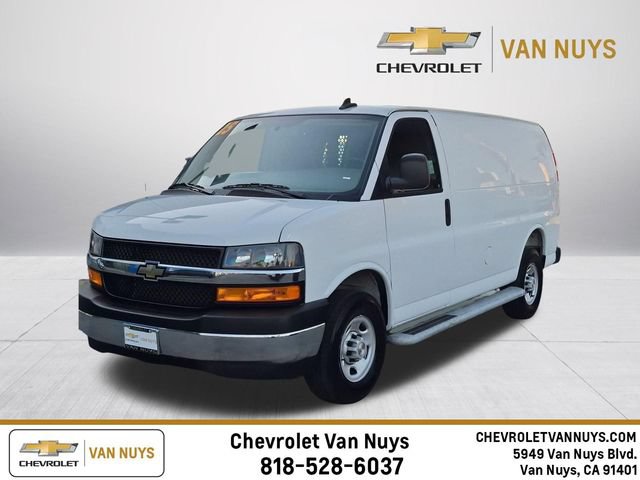
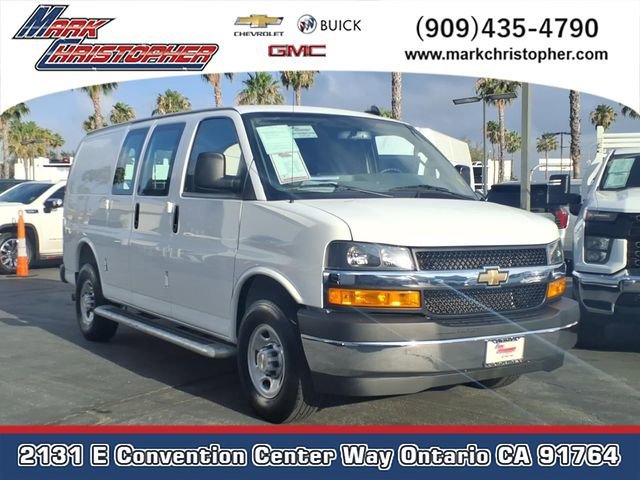
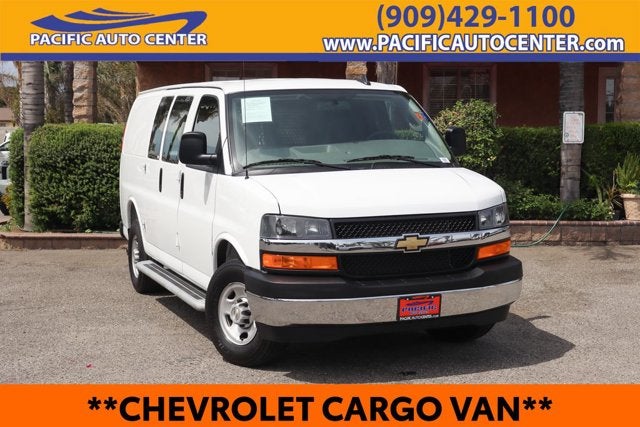
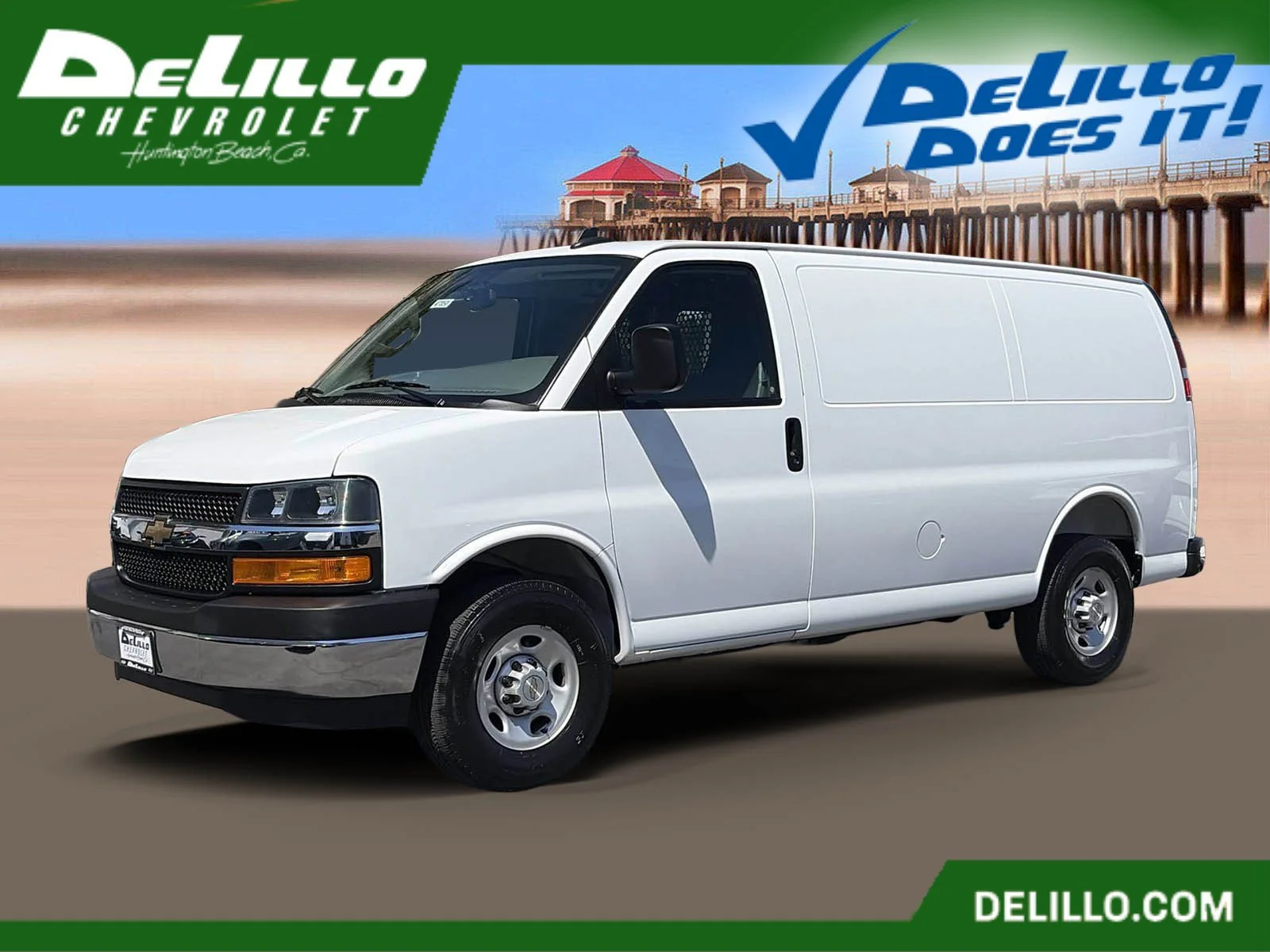
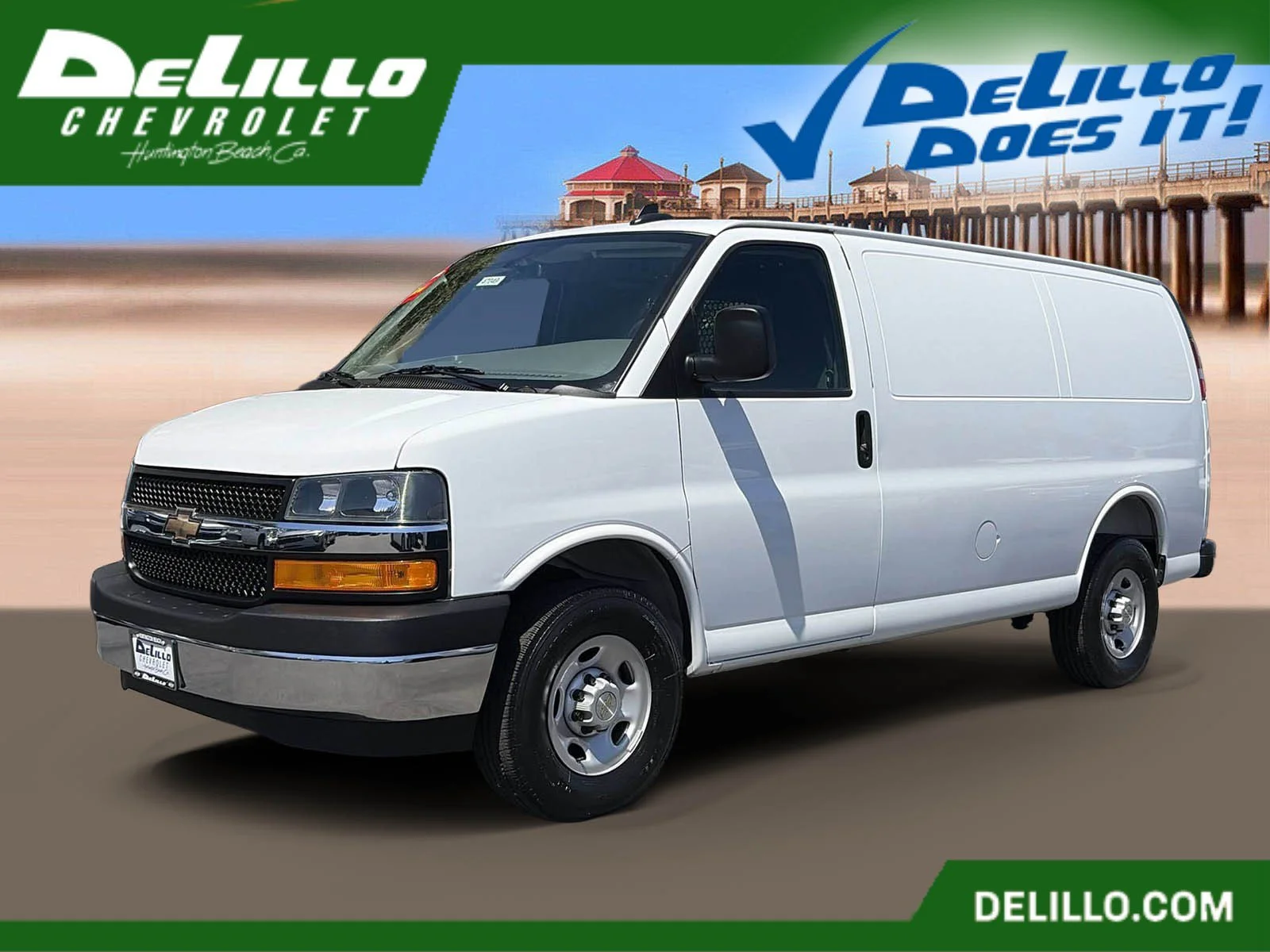
Compact cargo van with a mounted tank

The standard configuration for residential routes. It parks easily in older neighbourhoods, runs cheaply across a high-mileage day, and a mounted tank with a reel means the technician works from the vehicle rather than unloading at every stop.

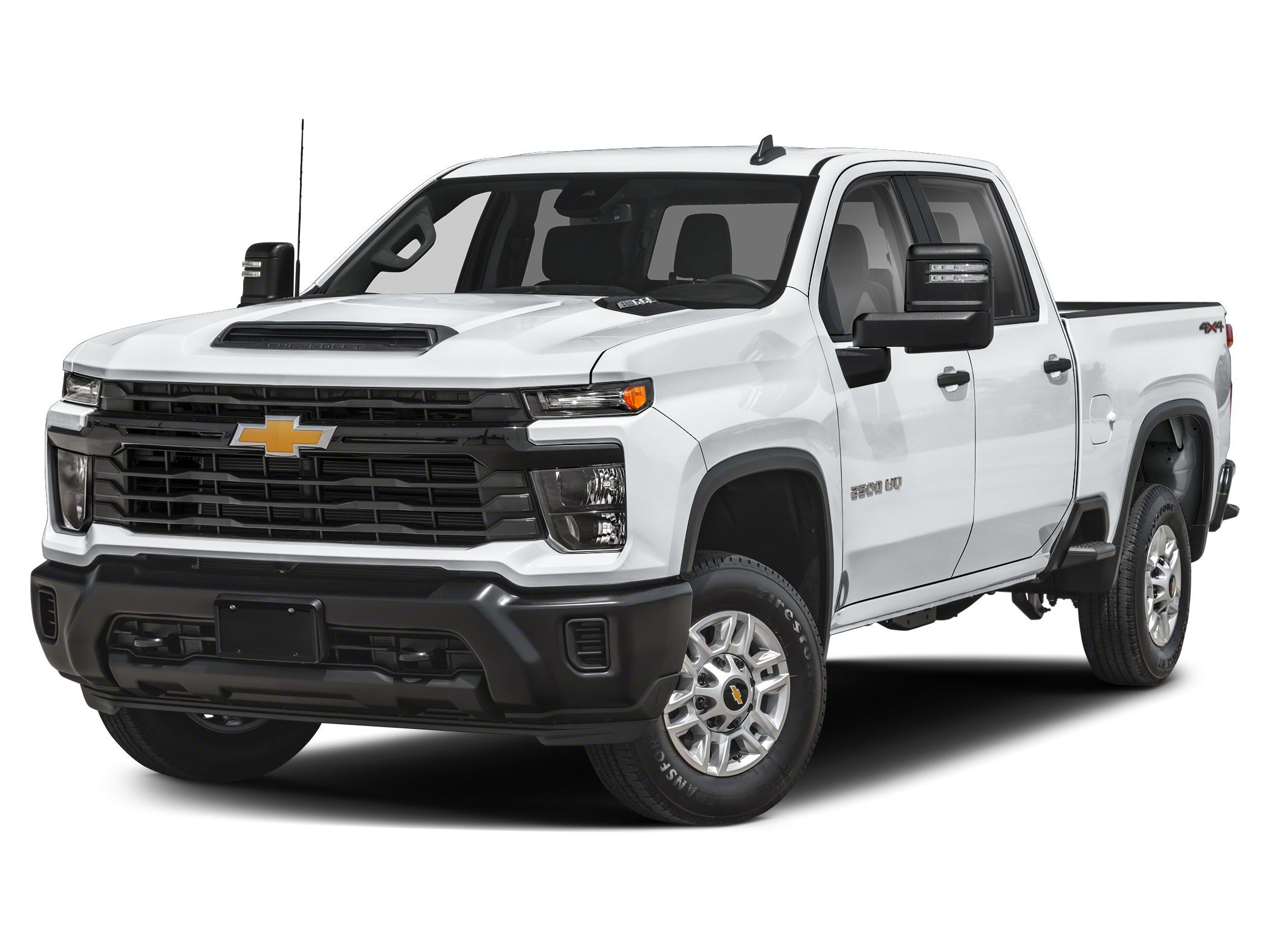
Pickup with a secured chemical compartment

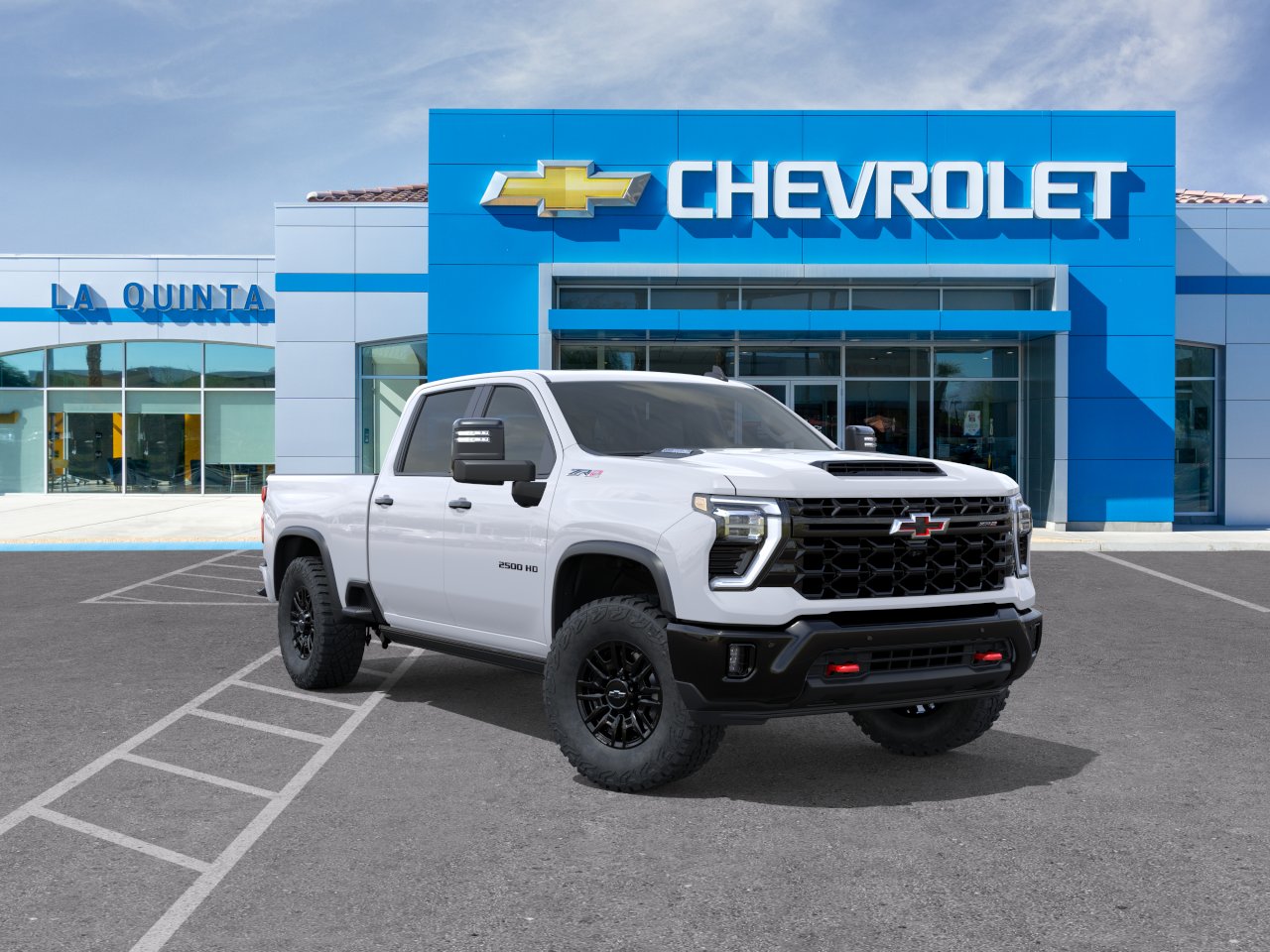
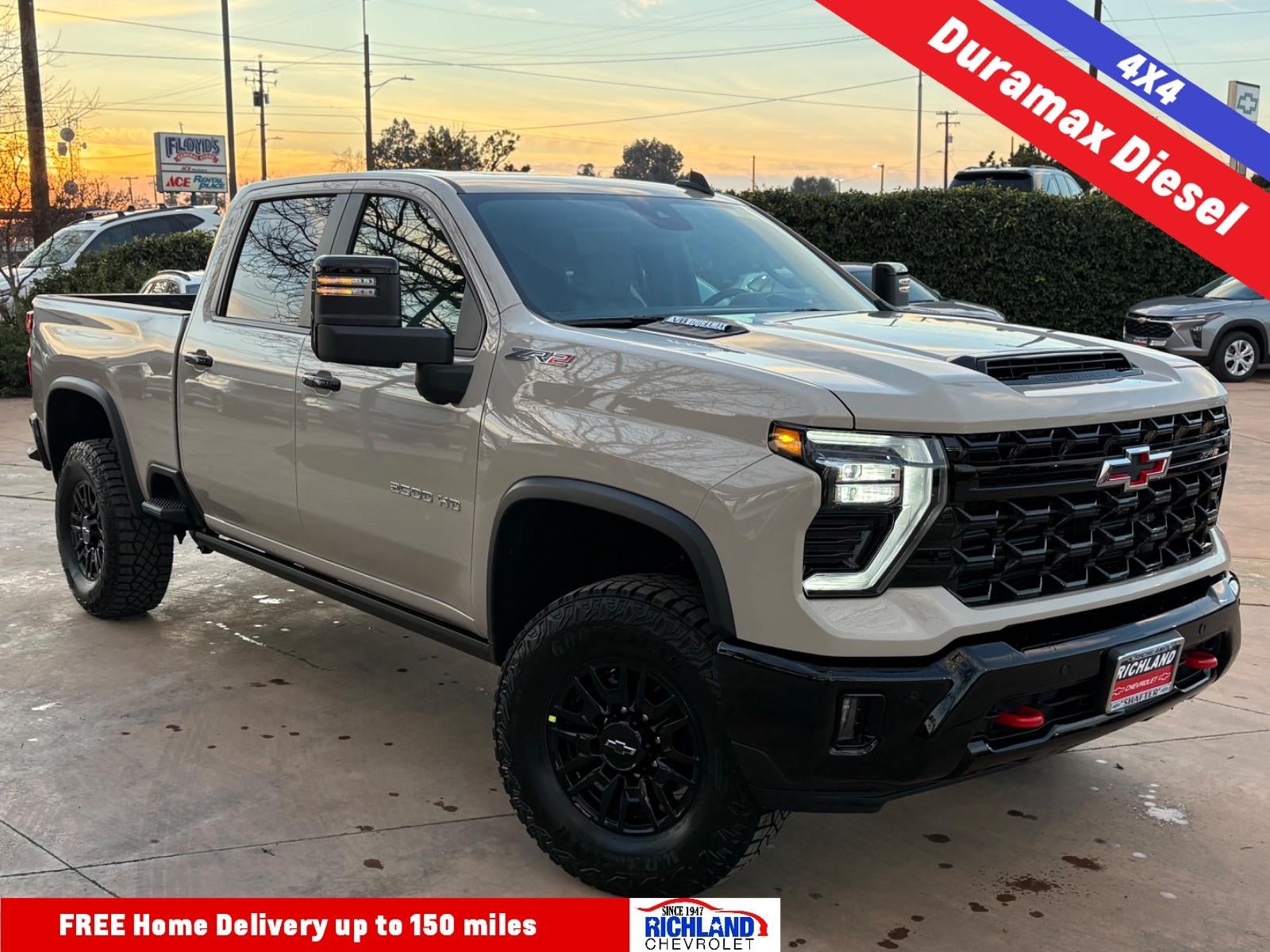
Suited to agricultural, industrial and larger commercial work where equipment is bigger and site access is rougher. External lockable compartments keep product separated and contained without occupying cab or bed space.

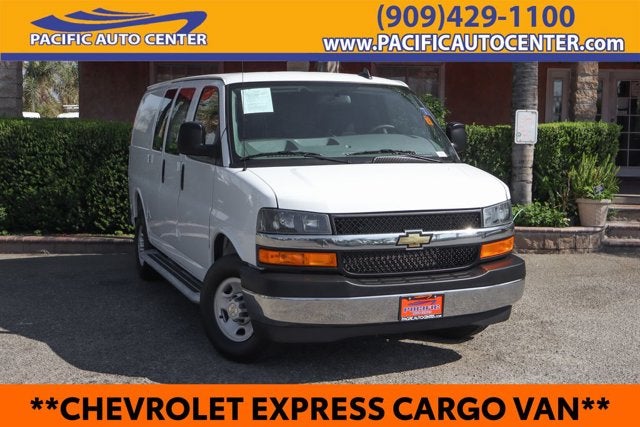
Full-size van for termite and fumigation work

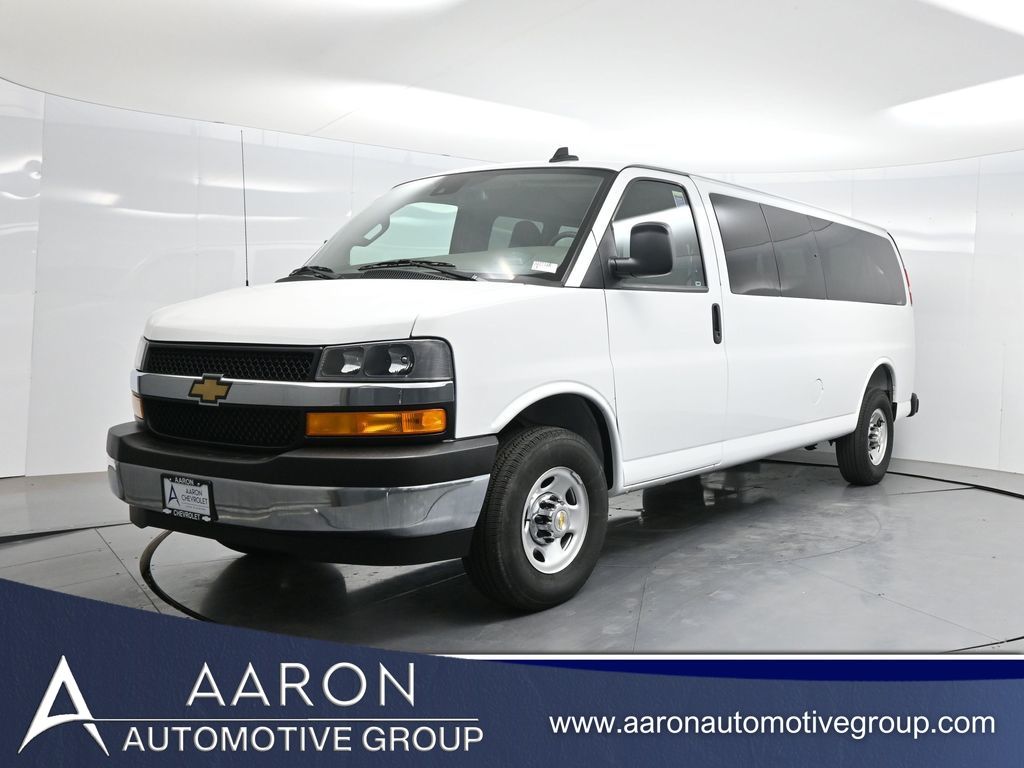
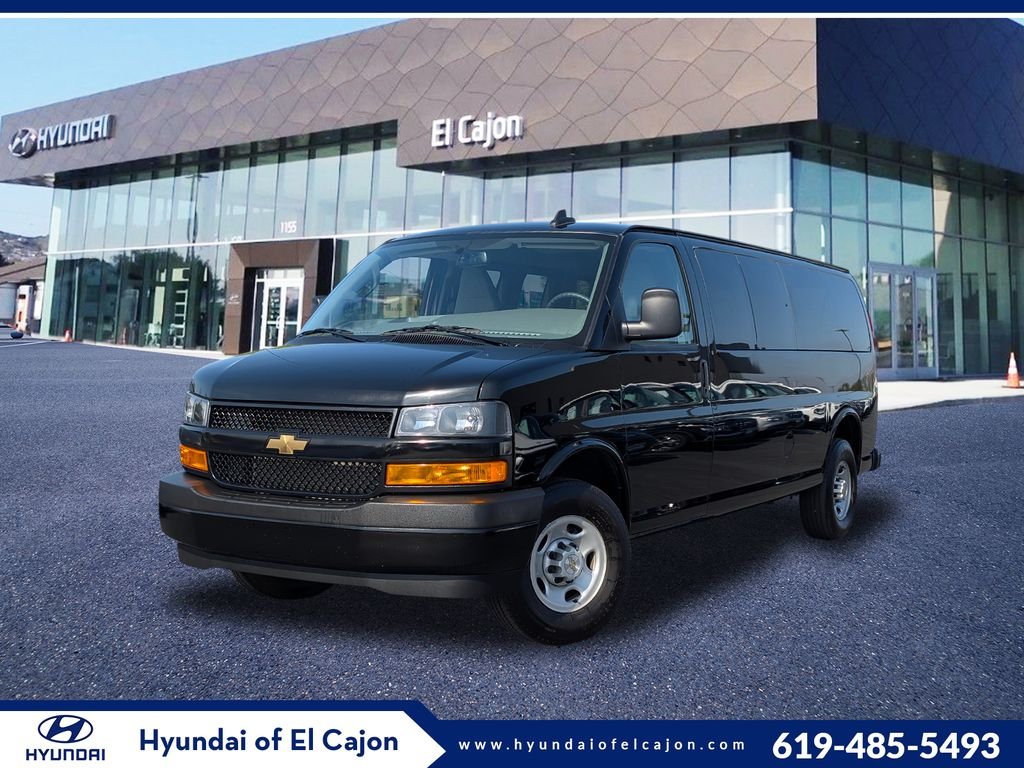
Where the work involves tenting, drilling or sub-slab treatment, the equipment volume rises sharply. A full-size van carries that plus the compressors and hoses which residential pest routes never need.

Small van for inspection-led work

Inspection, monitoring and bait station servicing carry almost nothing. The cheapest practical vehicle that presents well is the right answer, because the day is dominated by driving and parking rather than by load.

Specification mistakes that are expensive to discover late

  • Storing chemicals without a lined, sealed and lockable compartment. A spill in an open load area contaminates the vehicle, and product accessible to anyone opening a door is a liability the business does not need.
  • Ignoring summer temperatures inside a parked vehicle. Some formulations degrade in inland heat, and a product that has cooked through an afternoon may not perform as the label promises.
  • Carrying portable spray equipment on a high-stop route instead of mounting it. Lifting a unit in and out twenty times a day is slow and is how technicians hurt their backs.
  • Buying a vehicle too large for a residential route. Capacity that is never used costs fuel and parking difficulty every day in exactly the older neighbourhoods where the work concentrates.
  • Neglecting presentation and clear marking. Customers are inherently uneasy about chemicals at their home, and an unmarked or scruffy vehicle makes that worse before anyone knocks on the door.

Questions pest control buyers ask

What size vehicle does pest control need?
Smaller than most people assume. The equipment occupies a fraction of a van, and the day is dominated by driving and parking across fifteen or twenty stops, so manoeuvrability and running cost matter more than capacity.
How should chemicals be stored?
In a lined, sealed, lockable compartment separated from anything personal. Containment means a spill stays inside that compartment rather than reaching the rest of the vehicle, and security keeps product away from anyone who opens a door.
Should the spray tank be mounted?
On a high-stop route, yes. A secured tank with a reel lets the technician work straight from the vehicle, where lifting a portable unit out at every stop costs most of an hour across the day and strains backs.
Does the heat affect the products I carry?
It can. Some formulations degrade at the temperatures a parked vehicle reaches inland in summer, which makes insulated or ventilated storage a practical requirement here rather than a refinement.
Van or pickup?
A van for residential and commercial routes, where secure enclosed storage and easy parking decide the day. A pickup with lockable compartments suits agricultural and industrial work with larger equipment and rougher access.
How much does vehicle appearance matter?
More than in most trades. You are arriving at homes to apply chemicals near someone’s family, and a clean, clearly marked vehicle does a meaningful part of the reassurance before the conversation starts.
What changes for termite or fumigation work?
Equipment volume rises sharply — tenting materials, drilling gear, compressors and hoses. That work needs a full-size van, which is a different vehicle from the compact one a residential pest route is best served by.
Should the vehicle be unmarked for commercial accounts?
Some commercial customers prefer discretion — restaurants and hotels in particular rarely want a pest control logo parked at the front entrance. Ask the account before assuming, because the answer differs sharply between residential and hospitality work.

Reviewed by SoCal Work Trucks editorial team on 2026-09-17. General guidance, not engineering advice — confirm payload, GVWR, towing capacity and upfit suitability against the specific vehicle and the manufacturer’s documentation.